





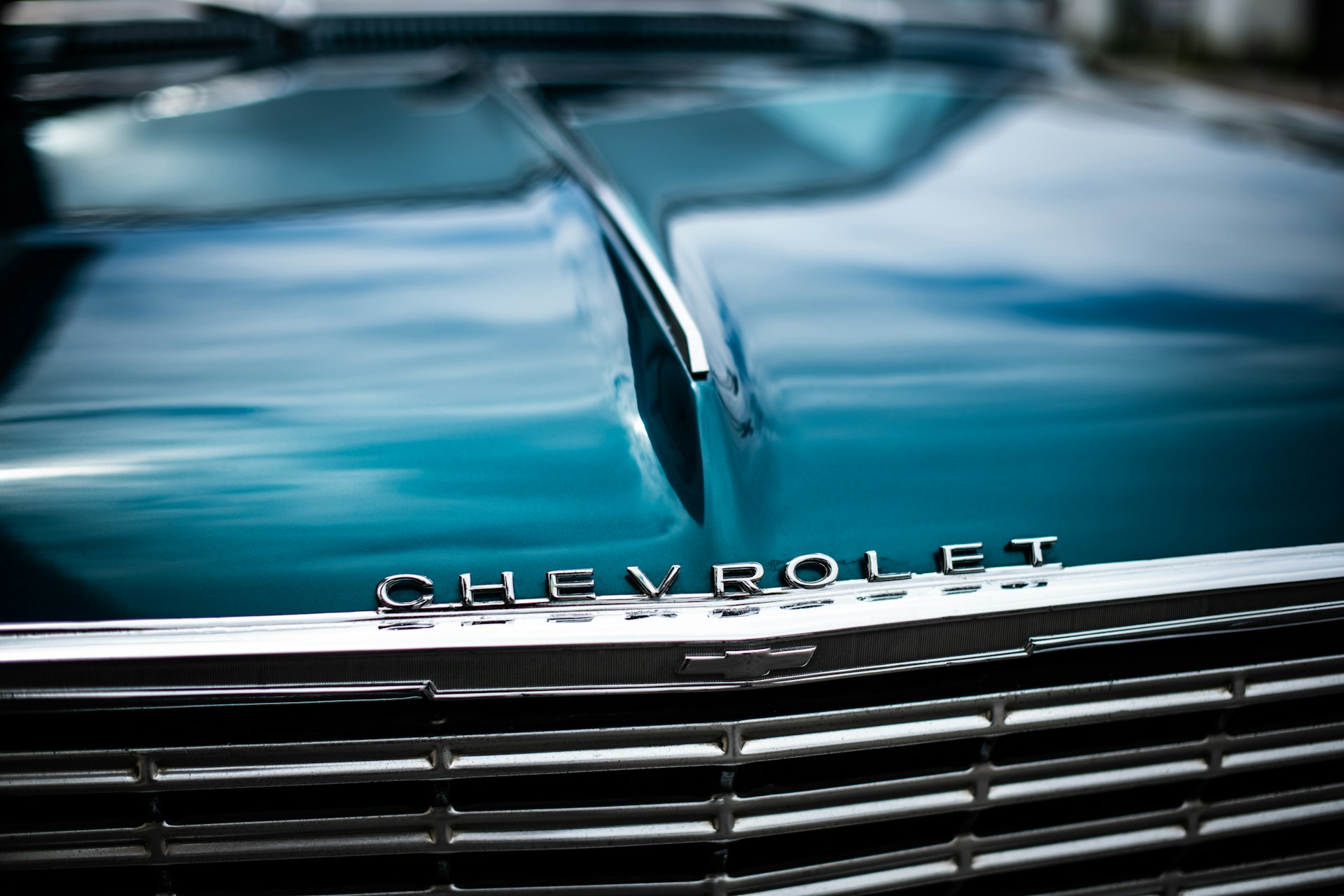
Leasing can be a solid option for drivers who like flexibility and fresh features without the long haul of ownership. We meet a lot of people around Rosenberg, TX, who start thinking about leasing around the beginning of the year. That’s when new models start rolling in and the chevy best lease deals often pop up.
If you have ever walked into a dealership feeling unsure about what leasing really involves, you are not alone. It is easy to assume it works just like buying, but that is not quite the case. Knowing the ups and the tradeoffs can really save time and make discussions feel less confusing. Let’s look at why some drivers choose leasing and what is helpful to think about ahead of time.
Why Some Drivers Prefer Leasing Over Buying
Many drivers are drawn to leasing because of how it shapes monthly payments and gives you access to newer models more often. For people who do not plan to hang on to one vehicle for a decade or more, leasing can be a simpler way of keeping things fresh.
- Lease payments are usually lower than loan payments for the same vehicle, which can ease budget demands.
- Leasing gives you the chance to change vehicles every few years, depending on the lease term.
- Around the start of the year, some lease deals can make upgrading more reachable than financing a brand-new truck or SUV outright.
If your goal is to enjoy newer technology or improved fuel efficiency without committing to the full price of a car, leasing might fit your plans better. Some drivers find that leasing brings peace of mind, especially if they are uncertain about what their long-term needs might be. Since lease periods are typically shorter than loan terms, you get the opportunity to review your situation regularly and see if your needs or preferences have changed. That kind of flexibility can be reassuring if you’re not ready for a long-term ownership commitment or simply want to keep up with the latest trends in automotive technology and design.
What to Know About Lease Terms and Limits
Before signing anything, it really helps to understand the fine print. Lease agreements are structured around specific terms, and stepping outside those can cost more than you expect.
- Most leases include a mileage cap, and going over it usually leads to penalties. If you do a lot of long-distance driving, this matters.
- You are expected to return the vehicle with only normal wear and tear. Anything beyond that could result in repair charges at the end.
- Lease lengths can range, but most are between two to four years. When the lease ends, you usually return the car or buy it. That exit path should match your long-term plans.
Some people find these limits restrictive, but others appreciate the clarity. Knowing your usual driving routine can help guide your decision here. If you often find yourself driving much farther than the average person or taking frequent road trips, then a lease might not be the best fit unless you negotiate higher mileage or plan carefully to stay within those limits. If your driving habits are predictable and you have a set routine, having a clear structure to your car plan can allow you to relax and focus on enjoying your trips.
Even beyond mileage, it is worth thinking about how you take care of your vehicles. Leases expect you to keep cars in good shape, and that expectation can encourage regular upkeep. For those who already keep their vehicles clean and well-maintained, lease-end charges are less likely to be an issue.
The Long-Term Tradeoffs of Leasing
Leasing has its perks, but it is not for everyone. One of the biggest differences between leasing and buying is ownership. With a lease, you are essentially borrowing the car for a set period. While that can be fine in the short term, it changes things over time.
- Lease payments do not build ownership or equity. Once the lease ends, the car is not yours.
- You will probably always have a monthly payment unless you decide to switch to buying later.
- Customizing your vehicle is not ideal when you are leasing. Most leases want the vehicle returned in close to factory condition.
- If you are someone who likes to drive the wheels off a car or keep it long past the last payment, leasing might feel limiting.
How often you switch cars, how much you drive, and how you treat your vehicle all play into whether this setup works for you. Buying, in contrast, means you eventually pay off your vehicle and are free from monthly payments for a while. That sense of ownership is appealing to drivers who want to invest in their vehicles for the long haul, make custom adjustments, or keep them for many years. Some people value being able to make changes to their car as it ages or needs change, while lease agreements do not really allow for that level of flexibility.
Another aspect worth considering is insurance. Leased vehicles may sometimes require higher insurance coverage than cars you own outright, which can affect your budget over the life of your lease contract. At the same time, since leased vehicles usually stay under warranty, maintenance costs for unexpected repairs are often less of a concern, which can be another advantage for those who prefer a little more predictability in their monthly spending.
Finding the Right Fit: When Leasing Makes the Most Sense
Leasing lines up best with certain lifestyles and needs. You do not have to guess whether it fits you. Just think about how you drive and what you value most in a vehicle.
- If your commute is short or you travel often for work by plane, mileage limits probably will not be a problem.
- Some drivers value newer safety features or the newest technology. Leasing keeps you closer to those upgrades without a full purchase each time.
- For people who like predictability, the chevy best lease deals often offer fixed terms with clear costs, making budgeting easier.
If any of these points sound like your situation, leasing could give you more comfort than long-term ownership. Drivers who prefer a worry-free experience without worrying about resale have often found peace of mind in leasing. Lease agreements may also appeal to those who have outgrown the idea of fixing older vehicles and instead want a ride that is always modern, safe, and efficient. If you are not keen on haggling over value at trade-in time, leasing gives you an easier route: simply return the car and look at your next options.
Some people steer toward leasing simply because life changes happen. Maybe your job is temporary or you expect your space needs to change soon, such as starting a family or moving to a different city. In those cases, locking yourself into a long financing contract may not be the best move, and leasing feels much more flexible and aligned with short-term plans.
While leasing offers a more structured and predictable experience, it is still worth checking in regularly to see if your needs have changed over the years. It never hurts to revisit your vehicle situation as life shifts, and that is a big reason why many drivers find themselves drawn back to leasing again and again.
Ready to explore your next vehicle lease? At Finnegan Chevrolet Buick GMC, we understand the value of a seamless process and want to help you find the best fit for your needs. Our inventory is always up to date, and the details behind the Chevy best lease deals are straightforward, so you can make confident decisions. Whether leasing is new for you or you have done it before, our team will guide you through every step. Visit us or give us a call to get started.
Connect with us


- August 2026
- July 2026
- June 2026
- May 2026
- April 2026
- March 2026
- February 2026
- January 2026
- December 2025
- November 2025
- October 2025
- September 2025
- August 2025
- July 2025
- June 2025
- May 2025
- April 2025
- March 2025
- February 2025
- January 2025
- December 2024
- November 2024
- October 2024
- September 2024
- August 2024
- July 2024
- June 2024
- May 2024
- April 2024
- March 2024