




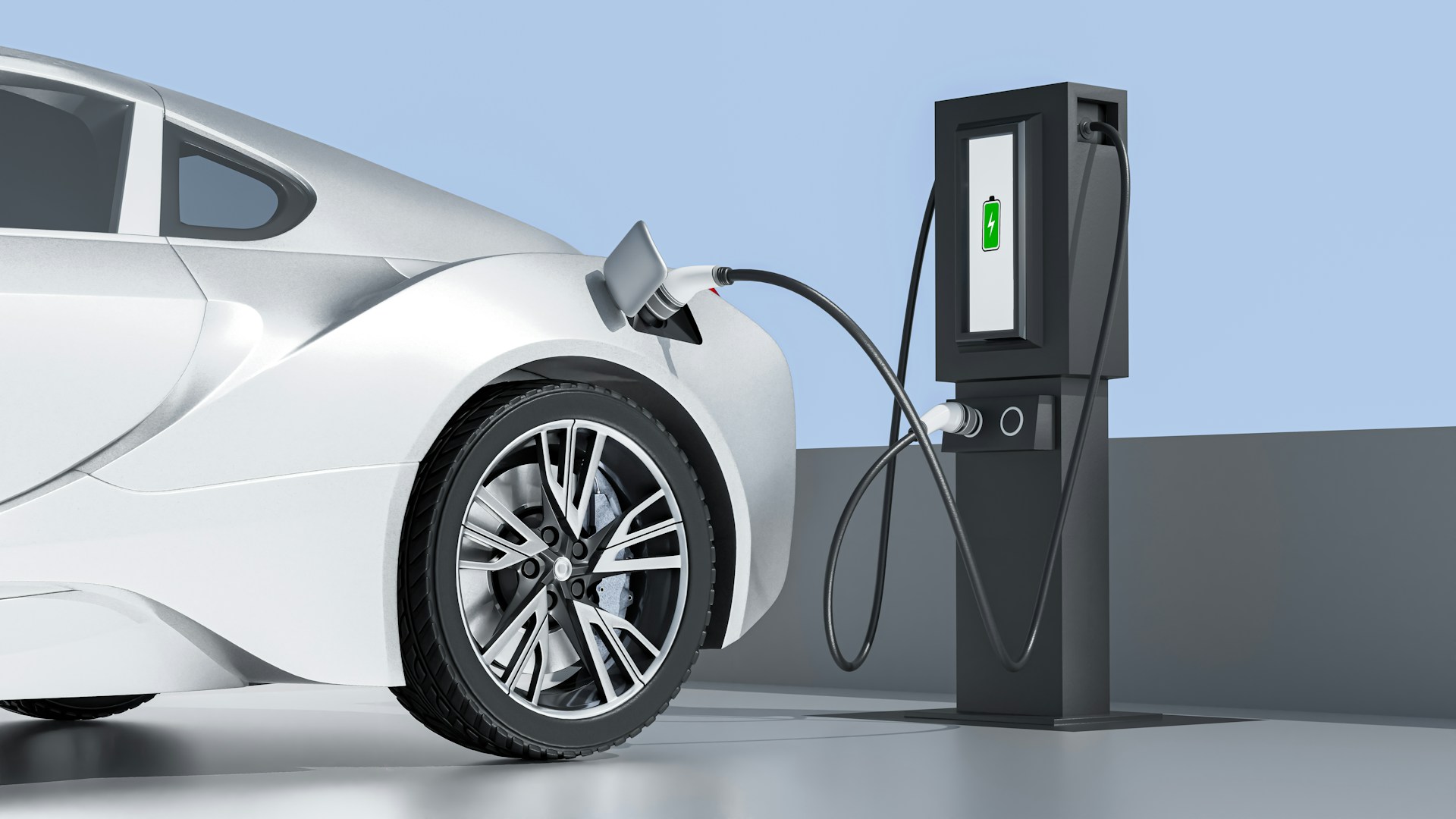
Electric vehicles are gaining popularity, especially pre-owned EVs that give drivers a way to cut costs while still driving something newer and more eco-friendly. Like any used car, though, there are certain things buyers should keep an eye on. For EVs, the battery is where most of your attention should go. If the battery isn’t holding a charge or behaves differently than expected, it can throw off your whole driving experience.
Read the rest of this entry »Visiting a car dealership can be a fun and enlightening experience, especially when you’re well-prepared. Whether you’re looking to buy, just browsing around, or exploring different models, a trip to a car dealership can set you on the right path.
In Rosenberg, where Finnegan Chevrolet Buick GMC provides a trusted hub for car enthusiasts, knowing what to expect can make all the difference. Being ready with information can turn what might feel overwhelming into a smooth visit, helping you make the most of your time.
By familiarizing yourself with best practices, you’ll be equipped to handle the many decisions that come with buying a vehicle. Knowing how to approach your visit will not only save you time but can also help you find that perfect car that fits both your needs and budget. Whether you’re shopping for a practical family car or a sleek sedan, having a plan before setting foot on the lot will keep you focused and confident.
Do Your Homework
One of the best things you can do before heading to the dealership is a bit of homework. This doesn’t have to be a chore; it can actually be quite exciting to explore all the available options. Start by checking out different car models and their prices online. Websites like the one for Finnegan Chevrolet Buick GMC can give you a snapshot of what’s available and what might suit your tastes.
Here’s how you can streamline your research process:
- Browse online for cars you’re interested in, comparing features and prices.
- Make a list of must-have features that you absolutely need in a car, and also note down some desirable features that could be deal-breakers for you.
- Check reviews and ratings for both the dealership and specific car models to see how they perform in real-world conditions.
Spending some time on these tasks can yield valuable insights and arm you with the knowledge needed to make informed decisions. It ensures that when you arrive at the dealership, you’re not starting from scratch. Instead, you can step in confidently, knowing what questions to ask and what exactly you’re looking for. Doing your homework beforehand can make the car shopping experience more streamlined and rewarding.
Plan Your Visit
After you’ve done your homework, planning your visit is the next step in making your car dealership experience smooth and efficient. Choosing the right time of day can make a world of difference. Weekdays tend to be less crowded, providing more personalized attention from sales staff. If weekends are your only option, aim for early morning to beat the rush.
Here are a few tips to consider for your visit:
- Choose the Best Time: Avoid weekends if possible. Weekdays are usually quieter.
- Documents to Bring: Make sure to have your driver’s license and proof of insurance. You might also need proof of income or residency for financing discussions.
- Schedule an Appointment: Contact the dealership ahead of time to set up an appointment. This ensures that someone will be ready to assist you.
Having these details sorted out before you arrive can save you a lot of time. It allows you to focus solely on your car search, making the experience much more enjoyable.
On-Site Practices
Being on site at a dealership can be exciting, but it’s also easy to feel overwhelmed by all the options. Take your time inspecting the vehicles that interest you. Look over both the interiors and exteriors, checking for any signs of wear or features that are particularly important to you.
Here’s how to maximize your visit:
- Inspect Thoroughly: Examine the vehicle, looking for any signs of damage or issues.
- Ask Questions: Don’t be shy. Ask about features, vehicle history, and anything else on your mind.
- Test Drive: Ask for a test drive to get a real feel for the car. Pay attention to comfort, noise, and how the car handles.
This hands-on experience is invaluable. It allows you to see beyond the shiny exterior and understand if the car will meet your needs in everyday life.
Understanding Financing Options
One significant aspect of buying a car is understanding the financing options available to you. At Finnegan Chevrolet Buick GMC, they’ll discuss various plans that suit your financial situation. Prepare questions about loan terms, interest rates, and down payments, so you’re ready to make informed decisions.
Consider these questions for your discussion:
- What are the loan terms, and how do they affect my monthly payments?
- Are there any promotions on interest rates?
- What down payment is required, and are there any trade-in options?
Bringing a co-signer might be something you consider as well, especially if you’re working to build credit. Knowing your options and discussing them openly helps ensure you’ll find a payment plan that you’re comfortable with.
Car Dealership Visits in Rosenberg Made Simple
Ultimately, make sure all your questions have been addressed. Take notes, whether on paper or using your device, to remember what you liked or didn’t about each vehicle. This can guide your future decisions or follow-up visits.
Planning a return visit might be the option to weigh if you need more time to think or if waiting for a specific model or deal. Reinforce your insights by taking everything you learned and comparing it at your leisure. This approach empowers you to decide with confidence and find the right vehicle that perfectly fits your lifestyle in Rosenberg.
Ready to get started with your car search at a Rosenberg car dealership? Visit Finnegan Chevrolet Buick GMC to explore a wide selection of new Chevrolet vehicles that could be the perfect match for your lifestyle. This local dealership is committed to offering a diverse range of options to ensure a satisfying car-buying experience. Whether you are interested in a family-friendly SUV or a sleek sedan, their team is ready to assist.
Finding the right car that perfectly suits your needs can be a thrilling journey, especially if you’re navigating through multiple car dealerships in Rosenberg. In this vibrant area, there’s a rich selection of vehicles to choose from, whether you’re looking for a sleek sedan, a spacious SUV, or a rugged truck. Navigating these options can be overwhelming, but with a strategic approach, you can find the perfect match while getting the best possible deal.
When visiting various dealerships, it’s important to have a clear plan. The goal isn’t just about securing a vehicle; it’s about making an informed choice that aligns with your requirements and budget. By focusing on key steps, like researching dealerships and planning your visits, you can ensure a smoother and more rewarding car-buying experience.
Researching Rosenberg Car Dealers
Before setting foot in any dealership, doing some homework online can give you a significant advantage. Research helps you narrow down your options and focus on dealerships with the best reputations and inventories. Here are a few tips to get you started:
- Look Up Dealer Reputations: Begin by checking out online reviews and ratings of Rosenberg car dealers. Customer feedback can provide insights into the overall experience, customer service, and reliability of a dealership. Look for patterns in reviews to determine any common praises or complaints.
- Compare Inventory: Most dealerships list their available vehicles on their websites. Take the time to browse through these inventories and see which dealers have the cars that interest you. Note any special features or deals that catch your eye.
- Consider Pricing: Compare prices across different dealerships for similar vehicles. This will help you identify which places offer competitive pricing and which might be a bit overpriced.
Digital research lays a solid foundation for informed decision-making. By knowing what’s available and having a sense of pricing and dealer reputation, you’ll arrive at the dealership better prepared.
Visiting Dealerships Efficiently
Armed with your research, it’s time to hit the road and visit the dealerships on your shortlist. Planning can make this process far more efficient and less stressful. Here’s how to streamline your visits:
- Map Out Your Route: Identify the locations of the dealerships you’re interested in and plan an efficient route. Group them by proximity to visit multiple places in one outing, reducing travel time and making the day more productive.
- Check for Cleanliness and Organization: As you visit each location, take note of how tidy and organized they are. Clean facilities and organized displays often reflect a dealer’s attention to detail and customer care.
- Engage with Staff: Pay attention to the communication style of the sales representatives. Are they attentive and eager to help? Do they answer questions thoroughly? Great customer service is a key part of a pleasant car-buying experience.
While visiting, jot down notes about each location, vehicle specifications, and any standout features you observe. Asking the right questions and interacting with staff can lead to discovering hidden gems and help you make a better purchasing decision. This approach ensures that you leave the dealership with a clear understanding of what each place offers and how it fits into your vehicle-buying plans.
Evaluating Vehicle Options
Once you’ve explored the dealerships, it’s time to delve into the details of different vehicles, weighing the pros and cons of new versus used options. Each choice comes with its own benefits, and it’s important to align these with your personal needs.
For those considering new models, think of advantages like modern features and warranties. New vehicles often pack in the latest technology and safety features, offering peace of mind with manufacturer warranties. However, they typically come with a higher price tag. On the other hand, used vehicles can be more budget-friendly, and you might find a lightly-used model in excellent condition. These can offer significant savings, but it’s crucial to review the vehicle history and condition closely.
When evaluating vehicles:
- Test Drives Matter: Always take potential cars for a test drive. See how they handle and get a feel for their comfort and performance. This real-life experience is invaluable in making an informed choice.
- Features And Benefits: Make a list of essential features you need, such as fuel efficiency, cargo space, or advanced technology. See which vehicles match those needs.
- Reliability: Research common issues for that make and model, and figure out the long-term reliability.
By carefully assessing these factors, you can choose wisely between a new and used vehicle, ensuring you get maximum value.
Making the Final Decision
With a clearer idea of your options, it’s time to make that big decision. This step is about narrowing your choices and selecting both the car and the dealership that best meet your priorities.
Begin by reviewing your notes and research. Eliminate options that don’t meet your criteria or have notable downsides you can’t overlook. It’s vital to strike a balance between what you want and what you can afford.
Consider negotiations as a part of the process. Here are a few things to keep in mind:
- Price Negotiation: Don’t hesitate to discuss price reductions or special deals. Dealerships often have some flexibility, especially if you have done your homework and know the typical prices.
- Understand Financing: Explore financing options offered by the dealerships and compare them with external lenders. Look for interest rates and payment terms that suit your financial plan.
Choosing the right dealership is as important as picking the right car. Consider dealerships that provide excellent customer service and ongoing support. A reputable dealer can make ownership easier down the line.
Find Your Perfect Car in Rosenberg with Ease
As your car search concludes, it’s helpful to reflect on the process. Navigating multiple dealerships involves a mixture of research, personal visits, and strategic decision-making. By staying organized and patient, you’re more likely to land a deal that you’ll be satisfied with in the long run.
Take your time making this decision. A vehicle is a significant investment, and it’s crucial to ensure it meets your lifestyle and budget needs. Trust your instincts, and don’t rush. Enjoy the excitement of finding a vehicle that fits perfectly into your life.
Remember, your diligence will pay off, and soon you’ll be driving your new choice with confidence, knowing you’ve secured a great vehicle.
Ready to explore your car options with confidence? Discover a wide selection of vehicles available through car dealers in Rosenberg to find the perfect fit for your needs. Visit Finnegan Chevrolet Buick GMC and see how our team can support your journey toward owning the ideal vehicle.
Choosing the right GMC dealership in Rosenberg can be as important as choosing the vehicle itself. It’s where you’ll find guidance, support, and options suited to your needs. Whether you’re eyeing that smooth SUV for family adventures or a sturdy truck for work demands, a good dealership plays a key role in transforming those dreams into reality. But how do you know if you’ve found the right one? The answer often lies in understanding what questions to ask.
Engaging with a dealership isn’t just about visiting a lot and picking a car. It’s about ensuring that the dealership aligns with your expectations and necessities. Asking the right questions can save you time, effort, and possibly money. It aids in confirming that you’re at a place that will provide not just a vehicle, but also a reliable partnership for your automotive future.
That’s where Finnegan Chevrolet Buick GMC comes into the picture, known for their dedication in supporting customers through every step of their journey.
What Are Your Financing Options?
When you walk into a GMC dealership, exploring financing options is often at the top of the list. Different dealerships offer varied types of financing, and understanding these can help you make informed decisions. Consider these aspects when you’re at Finnegan Chevrolet Buick GMC:
- Loan Types: Dealerships usually offer a mix of leasing and purchasing options. Are you looking to buy outright or lease for the short-term? Knowing your preference helps.
- Pre-Approval Benefits: Getting pre-approved not only clarifies your budget but also simplifies the process when you decide on a vehicle. It’s wise to inquire if the dealership helps with this step.
- Questions to Consider: Don’t forget to ask about interest rates and flexible payment plans. What kind of down payment is required, and how will it affect your monthly payments? These questions help in crafting a plan that aligns perfectly with your financial situation.
Understanding your financing helps you stay within budget and prevents surprises later. Finnegan Chevrolet Buick GMC is known for assisting customers in exploring these options to ensure they have a plan that’s manageable and fits their lifestyle. A dealership should act like a guide, providing support and clarity throughout your journey to find the perfect GMC vehicle.
What Vehicles Are Currently Available?
When visiting a GMC dealership, one of the first things to check is the current inventory. Dealerships frequently update their stock to feature the latest models and greatest deals. Knowing what’s available means you can make a quicker decision, especially if a particular vehicle catches your eye. At dealerships like Finnegan Chevrolet Buick GMC in Rosenberg, you’ll find a variety of options to meet different needs.
As you explore the lot or online inventory, here are some questions you might want to ask:
- Are new models available, and what features do they have? Understanding the latest technology and performance options helps make a well-informed decision.
- What about pre-owned vehicles? Certified pre-owned vehicles can offer great value. Inquire about any warranties or certifications that come with these vehicles.
- What is the test drive policy? Ensure you can schedule a test drive to experience how a car feels on the road.
Clarifying these points gives you a better understanding of what a dealership offers, allowing you to focus on the vehicles that meet your needs.
What Services and Amenities Do You Offer?
A dealership isn’t just where you buy a car; it should also be a reliable hub for maintenance and repairs. It’s important to know if the dealership provides services such as regular maintenance checks, part replacements, or unexpected repairs. At Finnegan Chevrolet Buick GMC, these services ensure that every vehicle is in top condition.
Consider what goes into maintaining peace of mind with your vehicle:
- Maintenance Services: Check if the dealership has an on-site service center offering routine checks and oil changes.
- Genuine GMC Parts: Using original parts during repairs can help maintain your vehicle’s performance over time.
- Amenities: Some dealerships offer amenities like customer lounges and shuttle services, making visits more convenient.
These amenities can make a big difference in your overall customer experience, turning necessary visits into something pleasant.
How Experienced and Trained Is Your Staff?
The staff at a dealership plays an important role in your car-buying experience. You want to work with knowledgeable professionals who can answer questions and provide guidance. A dealership with a well-trained team, like those at Finnegan Chevrolet Buick GMC, can turn a complex process into something straightforward and stress-free.
To ensure you’re interacting with the right people, consider asking:
- What certifications or training programs do staff members complete? This provides insight into their expertise and ability to advise on technical issues.
- How is customer service handled? Understanding their approach to helping customers can reveal a lot about the dealership’s culture.
When the staff is experienced and willing to assist, they can significantly impact your satisfaction with the car-buying and ownership process.
Wrapping Up Your GMC Dealership Search
Now that you know the right questions to ask, the journey to finding the perfect GMC dealership in Rosenberg becomes much clearer. These questions help identify a dealership aligned with your priorities, from financing to services and staff competence. Taking the time to interact with knowledgeable individuals who understand your needs ensures you make informed decisions.
Ultimately, selecting a dealership is about more than just picking up the keys; it’s finding a partner invested in your automotive journey. With the right questions guiding your search, you pave the way for a smooth car-buying experience, helping you drive away with ease and confidence.
For a seamless and satisfying car-buying experience, visit us at Finnegan Chevrolet Buick GMC, where our expert team is ready to assist you. Discover why we are the best GMC dealership in Rosenberg and learn about our extensive inventory suited to your needs. Let us help you find the perfect GMC vehicle that aligns with your lifestyle and preferences. Drive home today with confidence and peace of mind!
When thinking about visiting a Chevy dealership in Rosenberg, TX, it’s important to weigh the benefits and downsides. A local dealership can provide a unique experience that caters to the needs of its community, giving you an edge in finding the right vehicle. Knowing what to expect on both sides can help you make an informed decision about where to place your trust.
Located in the heart of Texas, Rosenberg offers a community-oriented approach to car buying. With friendly faces and knowledgeable staff, local dealerships often feel more accessible than big-city counterparts. Whether you’re a seasoned car buyer or new to the process, understanding the advantages of visiting a local dealership can make your journey smoother.
Advantages of Visiting a Local Chevy Dealership
One of the greatest advantages of visiting a local Chevy dealership is the personalized customer service. Having a team that genuinely listens to your specific needs can transform the car-buying process. Here’s what you can count on:
- Personalized Customer Service: A local dealership thrives on relationships, meaning representatives often go out of their way to ensure customer satisfaction. When you walk in, you’ll likely find a friendly staff member ready to answer questions and offer tailored advice.
- Knowledgeable Staff: Employees at a local dealership are well-versed in the preferences of the community and the types of vehicles that suit local lifestyles. They understand the importance of fuel efficiency for daily commutes and the appeal of larger vehicles for weekend adventures, ensuring you’re paired with the right model.
- Community Support and Local Involvement: Supporting a local business means investing back into your community. Many dealerships participate in community events, sponsor local teams, or support charitable causes. When you choose to buy locally, you’re supporting these efforts and strengthening community ties.
These advantages show how a local Chevy dealership is more than just a place to buy a car; it’s a welcoming part of the neighborhood. With the added bonus of community involvement, a visit here means you’re not just a customer but a valued member of the community.
Variety and Availability of Vehicles
A standout feature of visiting a Chevrolet dealership in Rosenberg is the diverse selection of vehicles. Whether you’re in the market for a brand-new model or exploring reliable used cars, you’ll find plenty to choose from. Many dealerships regularly update their inventory, ensuring fresh options are always on offer. This can help you discover the ideal vehicle without feeling limited by choices.
When it comes to buying a car, nothing beats the hands-on experience of a test drive. Local dealerships provide ample opportunities to get behind the wheel. This allows you to truly experience how the vehicle performs on the road, making it easier to decide if it suits your driving style and meets your expectations.
Access to exclusive deals and promotions is another perk. Being in the know about local discounts can make a significant difference in your overall cost, giving you the opportunity to save some money while enjoying a top-quality vehicle. Always keep an eye out for these deals, as they can pop up seasonally or relate specifically to certain models.
Convenient Services Offered
A key factor in choosing a local dealership is the range of convenient services available. One such service is on-site financing options. These make it simpler for you to manage your budget and streamline the purchasing process. Discussing your financing needs with a specialist at the dealership can offer clarity and peace of mind, helping you secure a plan that fits your financial situation.
Alongside financing, comprehensive maintenance and repair services ensure your vehicle stays in top condition. No one wants unexpected issues, and knowing you have a trusted place to turn to for regular upkeep and quick repairs is reassuring. Regular check-ups significantly enhance the durability and reliability of the car you choose.
Moreover, the availability of genuine parts and accessories at the dealership adds another layer of convenience. Genuine parts ensure optimal performance and longevity, giving you confidence in the quality of any replacements or upgrades your vehicle may require. This convenience saves you the hassle of sourcing parts elsewhere, making your car-owning experience much more enjoyable.
Final Thoughts on Choosing a Local Dealership
Selecting a local dealership like one in Rosenberg offers a blend of community-focused service and practical vehicle options. As you ponder your car-buying journey, consider the factors that align with your priorities—whether it’s the personalized service, a vast selection of cars, or the convenience of having all your vehicle needs handled in one place.
By understanding the advantages, you can make a confident decision about where to shop for your next vehicle. Remember to balance the benefits of local relationships and service with your personal needs, ensuring a car-buying experience that’s as smooth and rewarding as possible.
Exploring the benefits and possibilities available at a Chevy dealership in Rosenberg can be a rewarding experience. With a focus on customer service and a wide range of vehicles, it is a great place to begin your car-buying journey. Whether you are in the market for a new Chevrolet or just curious about what options best fit your needs, Finnegan Chevrolet Buick GMC is ready to help you discover how a local dealership can enhance your vehicle selection process.
Clever Hacks For Bagging The Best Chevy Lease Deals
Leasing a Chevy can be a great way to get into a new car without committing to a full purchase. With leasing, you often have lower monthly payments, and you get to drive a brand-new vehicle every few years. However, finding the best Chevy lease deals can sometimes feel like searching for a needle in a haystack. Factors like changing market trends, fluctuating interest rates, and varying dealership offers add layers of complexity.
Many drivers face challenges such as deciphering the fine print, understanding lease terms, and knowing when to lease a car for the best deal. These hurdles can make the leasing process seem daunting, but by taking a strategic approach, you’ll be well on your way to driving off in a new Chevy without the hassle. In this piece, we’ll explore some clever strategies to help you secure those coveted deals.
Start Early and Be Flexible
Timing is everything when it comes to finding great lease deals. Starting your search early gives you a chance to survey the landscape and spot opportunities that others might miss. Dealership incentives and promotions can change with new model releases, so staying alert can give you a competitive edge.
Being flexible with choices also plays a key role. Here’s why:
- Variety of Models: Keep an open mind toward different Chevy models. If you’re set on a specific model, you might miss out on promotions available on other equally compelling vehicles.
- Features and Trims: Sometimes, opting for a car with fewer add-ons or a different trim package can save you money on leases. Consider what features you really need versus those that might just be nice to have.
- Color and Extras: While it might be tempting to hold out for a specific color or extra feature, being flexible can help you snag a better deal.
Starting your search several months before you need the car gives you time to consider different options and watch for incentives and promos. You’ll have the leisure to compare deals and understand all the terms without feeling rushed into making a decision. So, if you’re eyeing a Chevy lease, getting proactive and flexible could be your ticket to a sweet deal.
Keep an Eye Out for Promotions
When it comes to bagging the best Chevy lease deals, timing and awareness can be your best allies. Dealerships, including those in Rosenberg, TX, often roll out seasonal promotions that can significantly lower your leasing costs. These can align with events like holidays or end-of-year sales when dealers work hard to move inventory and make way for new models. It’s wise to watch for these windows of opportunity because they often come with impressive incentives.
To maximize benefits, stay informed about when these promotions typically occur:
- End of Model Year: As new models are about to arrive, previous model year vehicles often come with better lease offers.
- Holiday Sales: Around events like Memorial Day or Labor Day, you might find enticing promotions.
- Black Friday: This isn’t just for retail; car dealers might jump on the bandwagon with specials.
By planning around these times, you can tap into some of the best Chevrolet leasing offers available. Put reminders on your calendar to visit Finnegan Chevrolet Buick GMC during these periods or sign up for alerts on their site.
Negotiate Lease Terms
Once you’ve identified a promising deal, the fun of negotiation begins. Yes, lease terms are not set in stone, which means you can adjust them to better suit your needs. Getting the hang of negotiating lease terms ensures you drive away satisfied. Here are some aspects to look into:
- Mileage Limits: Standard leases often come with mileage caps. If you drive more than the typical limits offered, negotiate for a higher cap to avoid end-of-lease penalties.
- Wear-and-Tear Policies: It’s worth discussing these terms. Ensure the definitions of wear and tear aren’t overly restrictive.
- Lease Duration: Longer terms can lead to lower payments, but make sure it aligns with your needs. If technology and features matter to you, consider shorter leases that allow for more frequent updates.
Negotiating these points can feel a bit daunting at first. Having clear priorities and understanding where there’s room for improvement can lead to a much more favorable agreement.
Research Residual Values
Understanding residual values is key to deciphering lease payments. The residual value is the projected worth of the car at the end of the lease term. It significantly impacts your monthly payments; higher residual values often mean lower payments.
To get an idea:
- Dive into resources that provide insights into depreciation rates for different Chevy models.
- Compare historical data for these models to gauge their future value.
For instance, if you’re interested in leasing a Chevy Tahoe, explore what kind of depreciation they typically experience. Getting a grip on these details allows you to see which models might offer better lease terms based on projected value retention.
Utilize Dealership Expertise
With your research done and preferences in hand, the next step is to use the resources available at the dealership. The staff at Finnegan Chevrolet Buick GMC have extensive knowledge of the leasing landscape and can be an invaluable asset. They help you navigate your options, matching deals to needs and budgets.
Whether you’re unclear about certain terms or need advice on the best leasing strategies, don’t hesitate to tap into their expertise. With everything set, you’ll be in a strong position to secure a deal that aligns perfectly with your goals.
Drive Off with Confidence
In summary, learning about leasing terms, starting your search early, and being flexible can streamline the process of securing a sensational deal on a Chevy lease. Visit Finnegan Chevrolet Buick GMC to explore a range of options and benefit from expert guidance, ensuring you drive off with a lease that perfectly suits your needs.
Wrap up your search for an unbeatable leasing experience with Finnegan Chevrolet Buick GMC. Their knowledgeable team can help you find the perfect fit for your budget and needs. Explore our best chevy lease deals to secure your new vehicle today.
When it comes to buying a car, deciding where to purchase can be as important as choosing the car itself. For those in Texas, opting for a local Buick dealer presents a range of benefits that enhance the buying experience. Whether you’re searching for a sleek sedan or a spacious SUV, selecting a dealership within your home state means you’re more likely to find what suits your lifestyle and driving needs.
Local dealerships have intimate knowledge of what drives the preferences of Texas car buyers. This level of understanding results in personalized advice and a shopping journey tailored just for you. By choosing a Buick dealer in Texas, you’re not just purchasing a car; you’re making an investment in a seamless and satisfying process.
Extensive Selection of Models
One of the standout features of Buick dealers in Texas is the variety they offer. These dealerships make it their mission to provide a diverse selection so everyone can find the perfect car match. Here’s why this is an advantage:
- Wide Range: Whether you’re looking for a sporty crossover or a family-friendly SUV, Texas dealerships have a vast array of Buick models to choose from. Each model is designed with different lifestyles in mind, making it easier to find a car that fits your specific needs.
- Local Preferences: Dealers tend to stock vehicles that suit the tastes and requirements of local drivers. For instance, more options in four-wheel-drive vehicles might be available for those who enjoy Texas’s rugged terrains or long road trips.
- Customization Opportunities: Not only do these dealerships have a variety of models, but they also offer numerous customization options. You can select the trims, features, and accessories that complete your car’s look and functionality.
Having access to such a broad selection simplifies the car-buying journey. With expert guidance, finding the right vehicle to complement your lifestyle becomes an enjoyable experience rather than a chore.
Expertise and Personalized Service
Choosing a Buick dealer in Texas also means you benefit from exceptional service tailored to your needs. Staff at local dealerships, like Finnegan Chevrolet Buick GMC, have years of experience catering to Texas drivers. This expertise translates into several advantages:
- Personalized Advice: The staff understands the unique demands of Texas drivers, whether you’re tackling urban streets or heading off-road. Their insight helps match you with a vehicle that suits your daily routes and adventure plans.
- Friendly Environment: Texas dealerships are known for creating a welcoming atmosphere. From greeting you at the door to explaining car features, every interaction is geared toward making you feel valued and informed.
Visiting a local dealership ensures you’re not just another customer. The aim is to build lasting relationships, ensuring that every facet of your vehicle ownership experience is enjoyable and stress-free.
Quality Assurance and Reliability
When you’re investing in a vehicle, peace of mind is key. Buick dealers in Texas take pride in offering cars that come with a promise of dependability and quality. They often have certified pre-owned programs, giving buyers additional reassurance. These programs ensure that vehicles meet high standards and have passed thorough inspections. This dedication to quality means that you’re less likely to encounter surprises down the road.
Local Buick dealerships also provide comprehensive vehicle inspections on all pre-owned vehicles. This attention to detail translates to fewer worries about reliability and more confidence in your purchase.
In addition to inspection programs, Buick dealers frequently offer vehicle service and maintenance packages. These services help maintain your car’s peak condition and maximize its longevity. By having access to on-site professional servicing, you enjoy the convenience and security of knowing your car is in capable hands.
Community Support and Local Benefits
Supporting local businesses like Buick dealers in Texas brings more than just personal satisfaction; it builds stronger community ties. These dealerships often participate in community events and initiatives, which fosters local relationships and strengthens ties with residents. When you choose a local dealer, you’re supporting businesses that invest back into the Texas community.
Community involvement can be quite valuable. Imagine attending a local charity event sponsored by your dealership, bringing people together for a good cause. This not only enhances community cohesion but also adds a personal touch to your relationship with the dealer.
By dealing with a local Buick dealer, you receive benefits beyond car sales and service. You’re engaging with a business that genuinely understands and supports the community it serves. This engagement creates relationships that often lead to ongoing customer satisfaction and loyalty.
Final Thoughts on Your Car Search
Choosing a Buick dealer in Texas for your next car can turn what might seem like a daunting task into a pleasant experience. With an array of models, expert service, and community involvement, these dealers make car buying both enjoyable and fulfilling. They offer more than just a purchase; they offer commitment, quality, and a personalized approach.
Finding the right dealer means finding a partner in the car-buying journey. With the support and expertise available locally, your next vehicle is not just a means of transportation but a valued part of your Texas lifestyle.
Ready to upgrade your driving experience? Explore the excellent selection offered by Buick dealers in Texas. At Finnegan Chevrolet Buick GMC, you’ll find a blend of top-notch quality and personalized service that ensures your next vehicle purchase is both smart and satisfying. Discover your perfect match today.
How To Easily Find The Best Used EV Cars
Finding the best used EV cars can feel a bit overwhelming. With so many options available, it’s important to know what to look for. Electric vehicles (EVs) have been gaining traction over the years, offering an eco-friendly alternative to traditional gas-powered cars. But when you’re in the market for a used EV, understanding the key factors that make them a good buy is essential. This way, you ensure that you get good value and avoid unexpected issues down the road.
Turning to the benefits of driving an electric car, it’s clear why EVs have become a popular choice among car buyers. They offer significant cost savings over time, thanks to lower fuel and maintenance costs. Plus, driving an EV means contributing to a cleaner environment, as these vehicles produce no tailpipe emissions. With advances in charging infrastructure, owning an EV has never been more convenient. Let’s dive into the advantages of opting for a used electric vehicle.
Advantages of Used EVs
Deciding to go with a used EV instead of a new one can come with some nice perks:
- Cost Savings: One of the biggest draws of buying a used EV is the price. New electric cars often come with a hefty price tag, but picking a used one can significantly lower your initial investment.
- Lower Depreciation Rates: New cars lose their value quickly, but with a used EV, that steep drop has already happened. This means better value for your money.
- Environmentally Friendly: Choosing to drive an EV helps reduce your carbon footprint. They run on electricity, cutting down emissions that contribute to pollution.
- Improved Charging Infrastructure: More charging stations are popping up every day. This means it’s easier than ever to keep your EV powered and ready to roll, whether you’re in the city or taking a longer trip.
All these benefits make used EVs a smart choice for those looking to balance cost-efficiency with eco-consciousness. Having more charging stations, for example, means you can enjoy the freedom of a road trip without worrying about where to plug in next. Considering these advantages can help you make a decision that aligns with your needs and values.
Key Factors to Consider When Choosing a Used EV
When you’re in the market for a used EV, there are a few things you want to pay attention to so you get the most bang for your buck. The first thing is the battery life and capacity. Because the battery is the heart of any electric vehicle, you’ll want to ensure it’s still in good shape. Check how long the vehicle’s battery lasts per charge and if it meets your daily driving needs. It’s also a good idea to see if there’s any remaining warranty on the battery, offering peace of mind if a replacement is needed down the line.
Next, take a good look at the vehicle’s condition and maintenance history. A car that looks good on the outside should be just as good under the hood. Get a report on how the car has been maintained over the years, and any significant repairs that might have been made. This will give you a clearer picture of what you’re purchasing.
Consider the range per charge as well. This is particularly important if you have a long commute or plan to travel. Check if the car’s range fits your lifestyle. With more charging stations available now, many people find EVs perfect for longer journeys that used to be tricky.
Finally, think about the availability of replacement parts and service. Some older models may be harder to service, so make sure parts are readily available. Research where you can get the car serviced in case it needs any repairs or maintenance.
Where to Find the Best Used EV Cars in Rosenberg, TX
Now that you know what to look for, it’s time to find the right place to shop for a used EV in Rosenberg, TX. Start by visiting local dealerships that have good reputations. These dealerships often provide reliable options with additional benefits like warranties or service packages.
- Online Car Marketplaces: Websites dedicated to selling cars can have a wide selection of used EVs across all makes and models. It’s an easy way to compare prices and features from the comfort of your home. You can often filter results based on what you’re specifically looking for.
- Certified Pre-Owned Programs at Finnegan Chevrolet Buick GMC: These programs offer used EVs that have been inspected and certified by the dealership. They provide a high level of trust that the vehicle is in good working condition and may come with added perks like an extended warranty.
Every option has its pros and cons, but remember to choose based on where you’re most comfortable shopping. Whether it’s the personalized attention of a dealership or the broad selection of an online marketplace, finding the right place will make your buying experience smoother.
Tips for Evaluating a Used EV Before Purchase
Before you finalize on a used EV, it’s smart to check a few things to confirm you’re getting a good deal. Start with a test drive to feel how the car performs and whether it suits your driving style. Look for how smooth and responsive it is on the road.
Inspect the battery’s health and any associated warranties. Knowing the current state of the battery can help you predict future costs and maintenance.
A vehicle history report is another tool in your arsenal. It provides important information about any past accidents, services, and ownership details. This is vital for understanding the potential life span of the car.
End with getting a professional inspection. Auto experts can spot things you might miss, giving you confidence in your purchase.
Having a checklist and knowing what to evaluate guarantees you make an informed decision when picking your ideal used EV. With all these sorted, you’re well on your way to enjoying your new ride!
Choosing the right used EV can be a game-changer for your driving experience. If you’re interested in exploring some of the best used EV cars available, head over to Finnegan Chevrolet Buick GMC. Let our available inventory guide you to finding the perfect car that fits your lifestyle and budget.
Simple Tips For Finding The Best-Looking EV Cars
When it comes to choosing a car, style often plays a big role in decision-making. As more drivers turn their attention to electric vehicles (EVs), finding a model that is not just efficient but also easy on the eyes has become increasingly important. A good-looking EV can offer more than just curb appeal; it can reflect personal style and enhance the driving experience.
Owning a stylish EV brings numerous benefits. Beyond making a positive impression, a well-designed EV often incorporates advanced technology and innovative features, providing greater satisfaction and enjoyment. Whether you’re zipping around town or on a road trip, driving an attractive EV can truly elevate the journey. With many options available, understanding what makes an EV look great is key to finding the right fit.
Understanding What Makes an EV Look Great
When it comes to spotting a standout EV, several design elements come into play. A great-looking EV often boasts sleek lines and a streamlined shape, giving it a futuristic feel. These elements not only contribute to aesthetics but also improve aerodynamics, enhancing overall performance.
Modern EVs typically feature innovative lighting designs. From dynamic LED headlights to stylish taillights, lighting can significantly enhance a vehicle’s allure. These features often catch the eyes of passersby and add a touch of elegance to the car’s appearance.
Another defining feature of an appealing EV is its distinctive grille. Many EVs sport unique designs in this area, setting them apart from traditional vehicles and giving them a modern edge. These stylish grilles often serve as a signature for the brand, making the EV recognizable from a distance.
To sum it up, when choosing an EV based on looks, consider these key design elements:
- Sleek lines for a modern, aerodynamic shape
- Innovative lighting for enhanced style and safety
- Distinctive grille designs that offer a brand signature
These features contribute to an EV’s overall appeal, making it more than just a vehicle but a statement on the road. As you explore various models, keep these elements in mind to ensure you drive away in an EV that truly stands out.
Top Brands Offering Best-Looking EV Cars
When you’re in the market for a visually appealing EV, several car manufacturers consistently deliver models that are both beautiful and cutting-edge. Among these, brands like Tesla, Audi, and BMW often lead the charge. These automakers are known for their daring designs that combine luxury with futuristic elements, capturing the attention of drivers who value aesthetics.
For example, Tesla’s Model S is celebrated not just for its performance but for its sleek silhouette and minimalist design. Audi’s e-tron line showcases modern elegance with its adaptive LED lights and bold front grilles, creating a distinct presence on the road. Likewise, BMW i models, such as the i8, offer a sporty look with aerodynamic curves blended seamlessly into their design. These brands prioritize aesthetics, ensuring their cars make an impact wherever they go.
At Finnegan Chevrolet Buick GMC, you’ll find a fantastic selection of stylish and innovative EV models. We’re proud to offer the 2025 Chevrolet Equinox EV LT and the 2025 Chevrolet Equinox EV RS, perfect for those seeking a blend of practicality and modern design. For those craving a sportier feel, we also feature the 2024 Chevrolet Blazer EV RS and the 2025 Chevrolet Blazer EV LT. Each of these models showcases cutting-edge technology and distinctive styling, ensuring you’ll find the ideal EV to match your taste and lifestyle.
Factors to Consider When Choosing a Stylish EV
Appearance is important, but there are other factors to weigh when picking the right EV for your needs. One of the most significant considerations is color. The color of your vehicle should reflect your personal style or complement the aesthetic you wish to project. Whether it’s a classic black, an elegant white, or a vibrant red, your choice can say a lot about you.
The interior design also plays a key role. Look for interiors that combine high-quality materials with modern technology, ensuring comfort and luxury. Features like leather seats, ambient lighting, and advanced infotainment systems can greatly enhance your driving experience.
Finally, think about how the vehicle fits into your lifestyle. Your EV should not only look good but also meet practical needs, like seating capacity and cargo space, ensuring that while it’s a head-turner, it also serves you well in everyday life.
Where to Find the Best-Looking EV Cars in Rosenberg, TX
If you’re searching for the perfect stylish EV in Rosenberg, Texas, consider visiting various local dealerships that offer a wide range of models. Explore different options and take the opportunity to test drive, comparing what each EV has to offer both in terms of aesthetics and features. This hands-on experience will help you determine which model truly resonates with your personal taste and practical needs.
Drive Home in Style
Finding the right EV is a process that combines both style and functionality. An appealing vehicle isn’t just about looks; it’s about enhancing your journey every day. As you explore your options, remember that each choice you make reflects your personality and lifestyle.
In your quest for the best-looking EV, weigh each feature for its impact on performance and design. A great-looking EV can offer years of enjoyment, making every drive a pleasure. Whether you’re driving through the city or taking a scenic route, your EV should feel like a perfect extension of you.
Experience the harmony of style and innovation at Finnegan Chevrolet Buick GMC. Discover a range of sophisticated options that marry sleek aesthetics with advanced features. Explore our best‐looking EV cars to find your next stylish ride today.
How To Identify The Best GMC Dealership In Texas

Finding the perfect GMC dealership in Texas can feel like a daunting journey. With so many options scattered across the state, making the right choice is important for anyone looking to buy a reliable vehicle. The right dealership can offer a smooth and satisfying buying experience, while the wrong one might just lead to frustration. That’s why it’s essential to be well-prepared in your search. Understanding what makes a dealership stand out can save a lot of time and help you drive away with confidence in your new vehicle.
Picture this: You walk into a dealership, are greeted with a friendly smile, and find a selection of vehicles that meet your needs. Sounds like a dream, right? A dealership like that not only provides an impressive array of options but also excels in customer service and has a strong reputation in the community. By knowing what to look for, you can make the journey smooth and rewarding, ensuring your choice of dealership meets your high expectations.
Key Features of a Reliable GMC Dealership
When searching for the best GMC dealership, there are several important features to consider:
- Wide Vehicle Selection: A top-notch dealership offers a broad range of vehicles to choose from, ensuring that there is something to suit every taste and need. Whether you’re looking for a rugged pickup or a sleek SUV, a good dealership will have a variety of models and trims.
- Excellent Customer Service: The service you receive at a dealership can make or break your buying experience. Look for dealerships with friendly, knowledgeable staff who are willing to assist you without pressure. They should be eager to answer your questions and help you find a vehicle that matches your needs.
- Reputation and Reviews: A dealership’s reputation often reflects the quality of its service. It’s helpful to check online reviews to see what past customers have to say. Consistent positive feedback is a good indicator that the dealership values its customers.
These key features ensure a dealership not only meets your immediate needs but also continues to support you throughout your vehicle ownership. As you narrow down your options, these qualities will guide you in finding a dealership that feels just right.
Evaluating Dealership Services
Evaluating the services offered by a dealership is just as important as finding the right vehicle. Here are some aspects to consider when choosing the best GMC dealership:
- Comprehensive Financing Options: A great dealership offers various financing solutions, making it easier for different buyers to find a plan that suits their budget. Whether you’re looking to buy or lease, flexible options can make the process smooth.
- Reliable Service and Maintenance: It’s a huge advantage if the dealership provides a solid maintenance program. Having an in-house service department staffed with skilled technicians ensures your GMC is in good hands for regular check-ups and repairs.
- Warranties and Guarantees: Knowing that your purchase is backed by a good warranty can provide peace of mind. A dealership that offers clear warranty options shows a commitment to customer satisfaction.
By focusing on these aspects, you can ensure that the dealership will be supportive beyond the buying process, adding more value to your investment. These services emphasize a dealership’s commitment to a positive and lasting relationship with its customers.
The Role of Location and Convenience
When choosing a GMC dealership, location plays a crucial role. A nearby dealership can make all the difference for routine visits and ease of service. For folks in Texas, especially around Rosenberg, having a dealership close to home means less time driving and more time focusing on what matters. Being able to pop over to the dealership after work or on a weekend without much hassle is a relief.
Flexible business hours are another advantage to consider. A dealership that accommodates various schedules allows you to plan visits without disrupting your day. Whether you find time in the morning or need to stop by after work, knowing the dealership will be open gives you peace of mind. This flexibility ensures you can handle everything from browsing to servicing with ease.
Living near a city like Rosenberg provides an added advantage. It allows residents to explore other attractions and amenities nearby after visiting a dealership. You might make a day of it, checking out local spots or running errands around town while you’re already out. So, when thinking about location, remember it’s not just about the dealership itself but also what the surrounding area offers.
Test Driving and Dealer Interactions
Getting behind the wheel for a test drive is one of the most important steps when selecting a new vehicle. It’s your chance to feel how a GMC drives and see if it fits your lifestyle. Pay attention to elements like seating comfort, visibility, and how the car handles different road conditions. Experiencing these firsthand can sometimes answer questions you didn’t even know you had.
When you’re at the dealership, think about key questions you might want to ask:
- How does this model compare to similar options?
- What safety features come standard?
- What should I know about any new technological features?
These questions help ensure you’re getting the full picture of what the vehicle offers and not missing any crucial details that could influence your decision.
Building a rapport with dealership staff also enhances your experience. Feeling comfortable with the people who assist you means you’re more likely to get honest answers and suggestions tailored to your needs. A positive relationship can make future interactions pleasant, whether you’re there for routine service or curiosity about new models.
Finding the Best GMC Dealership for You
Identifying the best GMC dealership involves considering several factors. From vehicle selection and customer service to the convenience of location and ongoing support, each element plays a part in your overall satisfaction. When you weigh these aspects, you’ll be better prepared to make a choice that aligns with your needs.
Engaging with a dealership that respects and understands your priorities helps create a smooth process from start to finish. Whether you’re browsing the latest models or scheduling regular maintenance, knowing you’re valued as a customer fosters a connection that’s beneficial for both parties.
Taking the time to find the ideal dealership ensures you’re making informed decisions that will keep you content for years to come. Whether you’re a long-time gearhead or new to the automotive world, focusing on what matters most will lead you to a partnership that supports your driving journey.
When you’re ready to explore your options and find your ideal dealership experience, Finnegan Chevrolet Buick GMC is here to assist you. Check out our wide selection of vehicles and experience top-notch service in Rosenberg, TX by visiting the best GMC dealership for your next vehicle. Discover how our commitment to quality and customer satisfaction can enhance your car buying journey.
Connect with us


- April 2026
- March 2026
- February 2026
- January 2026
- December 2025
- November 2025
- October 2025
- September 2025
- August 2025
- July 2025
- June 2025
- May 2025
- April 2025
- March 2025
- February 2025
- January 2025
- December 2024
- November 2024
- October 2024
- September 2024
- August 2024
- July 2024
- June 2024
- May 2024
- April 2024
- March 2024