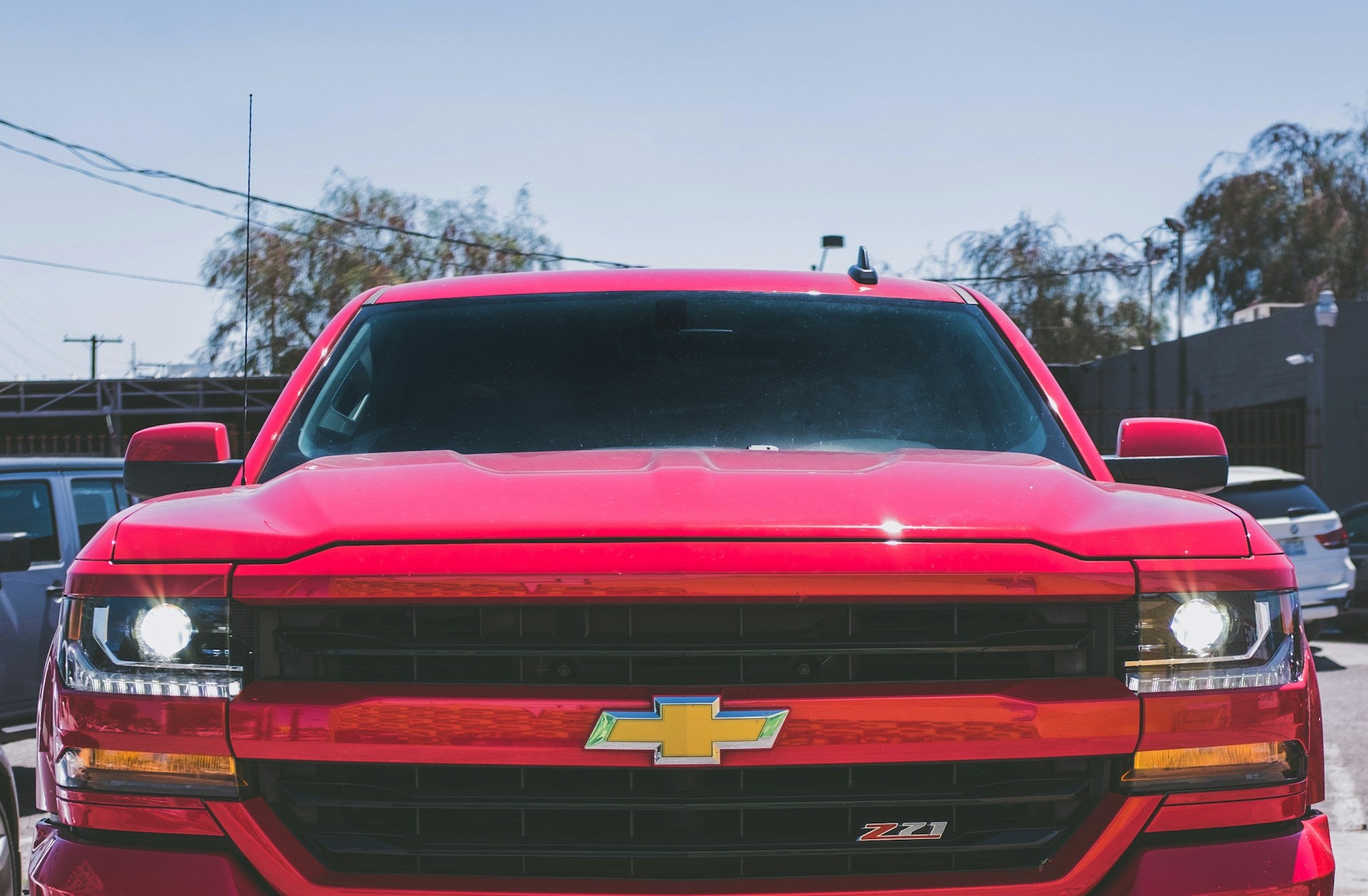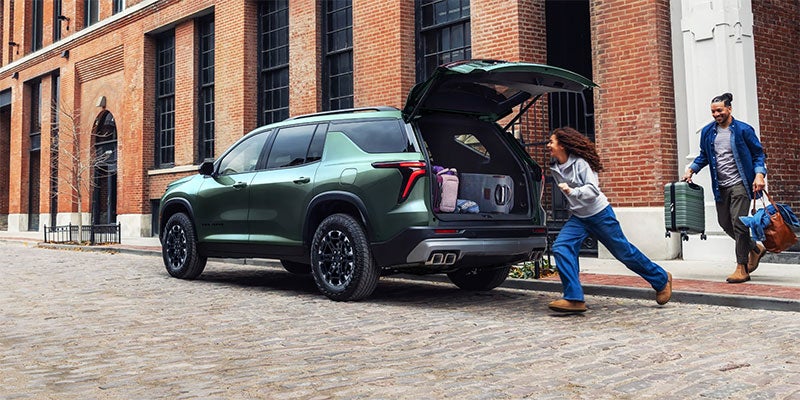




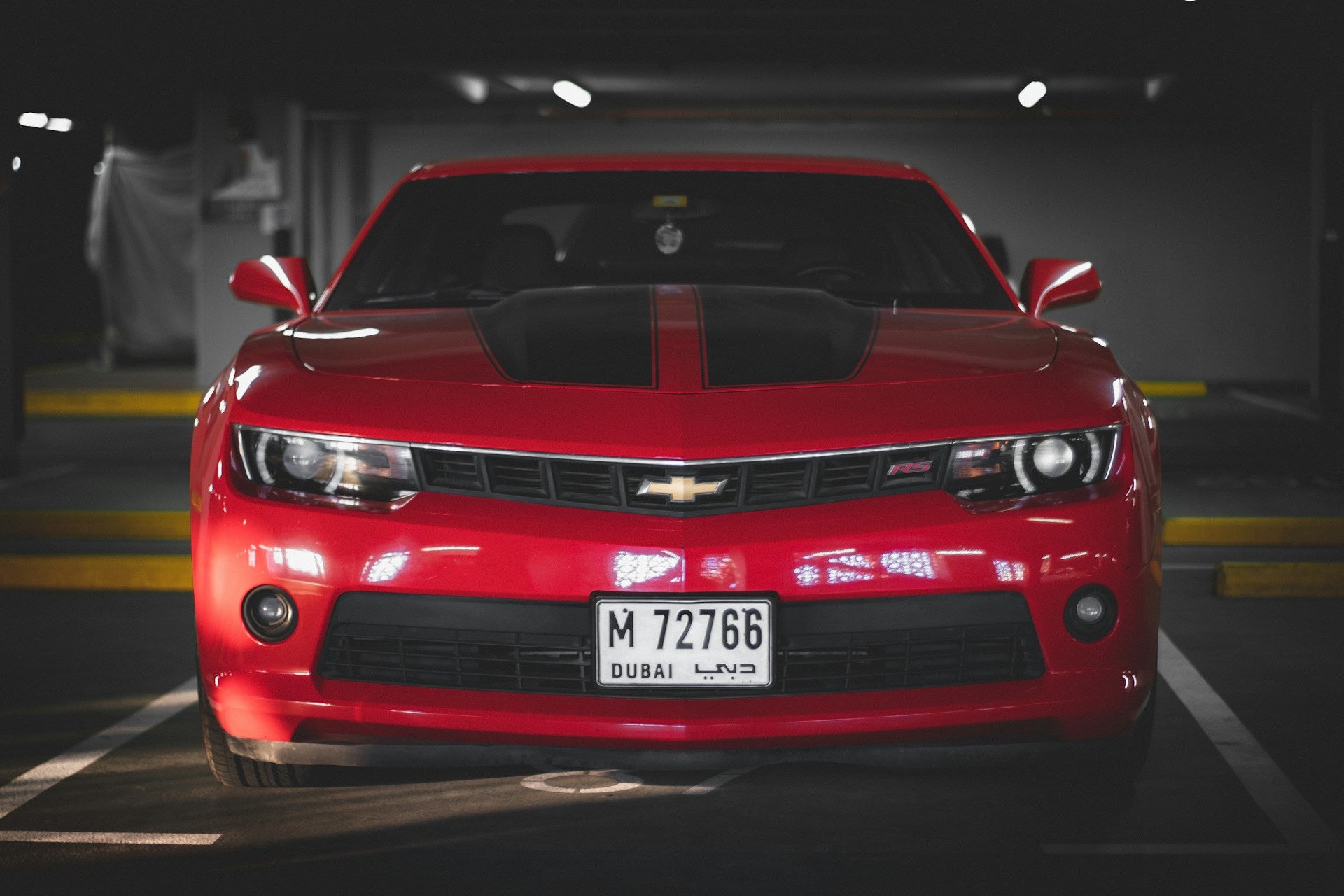
That’s one reason fall can be a helpful time to take a closer look at used Chevy cars. From how quickly the heater kicks in to how tires grip after a light drizzle, test driving in October gives you a chance to notice things that often stay hidden when the weather’s dry and warm. Whether you’re checking out a pickup, SUV, or compact, how the vehicle adjusts to these seasonal details can say a lot about its condition and fit for daily life.
First Impressions: What Fall Driving Reveals Fast
The first few minutes of a fall test drive can reveal more than expected. Light fog on the roads, moisture on the pavement, and leaves gathered near curbs all affect how vehicles perform in real time.
- Tires often feel different on cool, damp streets, making tread condition and brake response more noticeable.
- Stopping distance can stretch a bit during early morning drives, especially where road grit or wet leaves are present.
- Steering tends to feel tighter or looser depending on how the vehicle handles dips, potholes, or scattered debris.
Paying attention to how a used vehicle responds under these conditions lets us see how well it has held up over time. There’s value in noticing how the brakes feel just slightly different or how the wheel reacts to rapid lane changes. These small things reflect big things about performance and reliability.
Cabin Comfort and Interior Upkeep in Cooler Weather
As soon as you slide into the driver’s seat during a fall test drive, the cabin starts sharing clues. On cooler mornings, it takes just a few seconds to spot what materials are holding up and which features help daily life feel smoother.
- Seat warmth, material texture, and basic layout matter more when the chill hits first thing in the morning.
- Muddy or leaf-covered shoes can quickly wear down fabric, so floor conditions say a lot about how the inside was treated.
- Storage areas get more use this time of year for layers, hats, and travel gear, so make sure everything opens, closes, and fits right.
It’s not always about the newest extras. Sometimes, well-kept basics make a bigger difference. A cabin that feels warm fast and stays clean with less effort goes a long way toward making fall months a bit easier on the driver and their passengers.
Visibility and Lighting on Shorter Days
Fall doesn’t just cool things off; it cuts down the daylight, too. That’s when good visibility features start standing out or falling short. We’ve seen how test drives between late afternoon and early evening show what a vehicle’s lighting and visibility systems are really doing.
- Headlights should switch on smoothly and light up the road without overshooting the lines.
- Windshield wipers should clear water and leaves without streaks or skipping.
- Rear and side mirror visibility is easier to test when fog or dew gathers early in the day.
If a car struggles with foggy glass, dull lights, or squeaky wipers, that’ll show up fast during a fall ride. Driving becomes safer and more pleasant when those elements work together without needing constant adjustment.
How Performance Checks Out on a Fall Test Drive
Cooler temperatures give the engine and other systems a different baseline. That means the mechanical parts tend to show their age more clearly during morning drives or when roads aren’t perfectly dry.
- Cold starts show how the battery and engine come to life and how smoothly they idle afterwards.
- Slow-speed turns and stops feel different with stiff transmissions, especially when warming up.
- Noises inside the cabin often come out on bumpy or quiet roads, which are common around Rosenberg this time of year.
With used Chevy cars, conditions like these help reveal whether a vehicle still runs the way it should. What may seem like a small hiccup on a warm day could turn into a recurring hassle when the chill sets in, or the schedule gets tighter heading into the holidays.
Ride Quality That Matches Autumn Roads
Fall brings softer roads, more patchwork on the pavement, and enough backroad driving that how a car rides becomes one of the top clues in a test drive. Suspension and balance either show up as steady and smooth or jumpy and uneven.
- Look for consistent ride comfort across freshly patched roads, worn lanes, and sloped driveways.
- Feel how the wheels catch and flex when moving through bends with damp leaves or loose gravel.
- Test settings like traction control or available drive modes to see how they impact real-world feel.
Even simple routes show what the vehicle's frame and steering are handling underneath. Light rumbles, bounces, or sideways drift can all appear clearer when fall surface changes interfere with balance. If something feels off, this season will make it more obvious.
Why Fall is the Right Time to Notice the Details
Cool-weather test drives make it easier to feel the small things. These aren’t details you typically notice on a sunny afternoon. We’ve had many drivers say they wouldn’t have picked up on heater lag, wiper streaks, or slow defrosters if they hadn’t taken a test drive during fall.
Used Chevy cars tend to show their best side when the season reveals what’s under the surface. Whether that’s a smooth cold start, a better grip on slick roads, or just a solid cabin setup that handles jackets and boots without clutter, fall makes it clear what works and what doesn’t. For us, those are the things that matter when a car transitions from old to new in someone else's driveway.
Experience for yourself what fall test drives can reveal about the quality and comfort of a vehicle. At Finnegan Chevrolet Buick GMC, we understand the importance of finding a car that performs well in all conditions, especially during the cooler months. Explore our selection of used cars in Rosenberg to find one that suits your needs as the temperatures shift. Discover the perfect combination of reliability and value today.