





As summer winds down in Texas, now is a smart time to start thinking ahead. For many drivers, that means rethinking how they use their vehicles and whether a lease makes sense before the busier fall season hits. Around this time of year, life tends to speed back up with school, work, and longer commutes. Chevrolet offers different car leasing options, but they can look a bit confusing at first. Terms like closed-end and residual value may not mean much until you break them down. If you're thinking about skipping the long-term loan and trying something more flexible, understanding the lease types first can save time and stress later. What Is a Lease and How Is It Different from Buying? Leasing a car means you're paying to use it for a set amount of time instead of owning it. The contract usually runs for two to three years and includes details like monthly payments, included mileage, and what counts as normal wear. If you buy a car, you own it outright or finance it with a loan, and it's yours to keep or sell later. With leasing, the dealership still owns the car, and you agree to return it in good condition when the term ends. Leases often have lower monthly payments compared to loan financing. Most leases have set mileage limits, with extra fees if you go over. At the end of a lease, you either return the car or sometimes have the option to buy it. For people who don’t drive much or who like swapping vehicles every few years, leasing can feel like a better fit. Common Chevrolet Lease Structures Drivers See Every driver’s needs are different, which is why Chevrolet offers a few types of loan setups rather than a one-size-fits-all model. Each structure comes with different pros depending on how you drive and how long you want to keep the vehicle. Closed-end leases are the most common. You hand the car back when the term ends. You don't have to worry about resale value. If it's still in good shape and within mileage limits, you're all set. One-pay leases are paid in a single up-front payment rather than monthly installments. This type can sometimes offer savings and is useful for drivers who prefer fewer monthly expenses. Lease programs tied to loyalty or repeat drivers may allow better terms or more flexibility if you've leased before or stick with Chevrolet every few years. It's worth reading through the details before choosing. What looks good on the surface might not be the best match for your daily habits. How Lease Terms Can Change Based on Use Texas drivers often cover a lot of ground, whether for work or road trips. That means lease mileage and usage rules can play a bigger part in your decision. If you drive long distances often, check the mileage cap closely. Many leases give an average yearly max, but extras can usually be added upfront. For people who mostly use their car around town, a standard lease mileage limit may be just fine. Summer and holiday driving can add surprises. If your miles go up during vacation or family events, plan ahead for that increase before locking into a lease. Some leases include wear-and-tear limits. Highway driving is usually lighter on wear than constant stop-and-go city use, especially in summer heat. The key is picking terms that match your real routine, not just your ideal routine. Making Sense of Payments and Incentives Lease pricing involves more than the monthly number on the sticker. The total cost is shaped by factors that can shift depending on model, market, or specific dealership events. Down payments can reduce monthly costs, but paying less up front usually means higher monthly fees. Residual value is what the car is worth at the end of the lease. A higher residual value usually helps keep costs lower. Promotions might offer tempting monthly rates or low up-front costs, but make sure to read the full terms, including fees for going over mileage or ending early. Prices can vary based on trim levels, model years, and even color availability. Newer models or rare trims may cost more to lease. Being aware of what influences the structure helps you ask the right questions and budget without surprises. What to Think About Before Signing a Chevrolet Lease Before signing anything, it’s good to slow things down and ask how a lease would fit in your bigger picture. Ask about the full term length and whether it's flexible at all. Find out what happens if you need to end the lease early or swap cars before the term ends. Check if regular maintenance is included or expected during the lease. Some drivers prefer to have tire rotations and oil changes covered. Think about what might change during your lease period, like job shifts, school plans, or growing families. Will the car still fit after two years? Getting all the information up front makes it easier to avoid getting locked into something that doesn’t work six months down the road. Choosing the Lease That Matches How You Drive Car leasing options aren't just about numbers on paper. They’re about how you actually live and drive. If you're driving a long way every week or prefer a new car every few years, Chevrolet leasing structures give you room to plan. Understanding what separates one lease from another lets you avoid guesswork and feel more prepared come signing day. Right now, as we near the end of summer in Rosenberg, Texas, it’s a good time to step back and look at how your car fits into your daily routines. Matching the lease to that rhythm makes the experience smoother from start to finish. Ready to explore leasing options tailored to your needs? At Finnegan Chevrolet Buick GMC, our team is dedicated to helping you find the perfect fit for your lifestyle, whether you're interested in flexibility, the latest models, or manageable commitments. Discover our Chevy best lease deals and take the first step toward driving a car that complements your routine in Rosenberg, Texas. Let us guide you with expert advice and friendly service to ensure a smooth leasing experience.
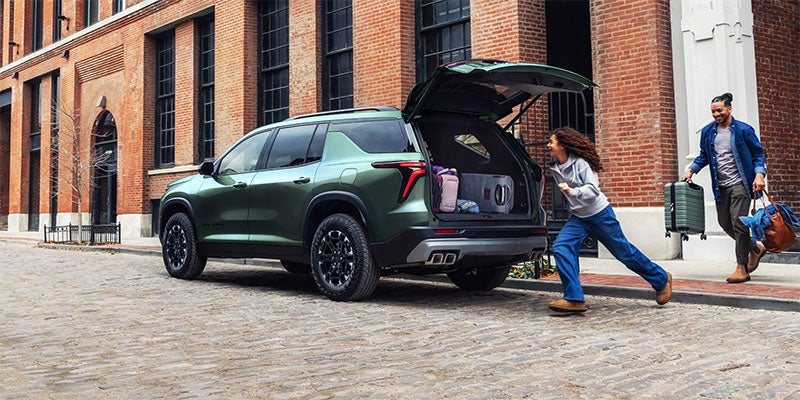
Inside the 2027 Traverse: Features That Make Family Loading Easier
Loading a family SUV means making room for passengers, backpacks, groceries, and whatever the weekend brings. The Chevrolet Traverse interior offers several ways to manage those tasks, but seating configuration and equipment deserve a closer look before you choose a trim. At Finnegan Chevrolet in Rosenberg, start your comparison by trying the features your family will use most often. Third-row access and seat controls can matter just as much as overall passenger capacity. Start With Seven Seats or Eight The 2027 Traverse LT offers seven-passenger seating or an available eight-passenger configuration. The choice changes how your family uses the second row and reaches the back. Captain’s chairs provide a center aisle, while a second-row bench adds another passenger position. If you regularly carry extra children for school or sports, that additional seat may be useful. Bring your child seats when comparing layouts. Check how their placement affects third-row access, and have your usual rear passengers climb in and out with the front seats adjusted normally. Try Smart Slide for Third-Row Access Smart Slide seats help create an entry path by moving a second-row seat forward. Ask for a demonstration on the specific seating layout you’re considering, then try the release yourself while the vehicle is parked. Check whether the handle is easy to reach and whether the opening works comfortably for the person using it. Follow the vehicle and child-seat instructions when evaluating permitted seat movements. Folding equipment also varies across the lineup. The RS includes One-Touch Fold second-row seats and power-folding third-row seating. Confirm the controls on other trims rather than assuming every Traverse operates the same way. Test Cargo Space With Your Seats in Use The Traverse offers up to 98 cubic feet of maximum cargo space with the rear rows folded. That figure describes a cargo-focused arrangement, so it doesn’t tell you how your luggage fits when the family is aboard. Start with the third row upright. Bring a stroller, cooler, or sports bags and check the space behind the seats. Then try folding the sections you could realistically leave unused. Pay attention to the loading height and how easily you can reach items farther inside. These Traverse family features are most useful when they fit the gear you actually carry. Demonstrate the AutoSense Power Liftgate The AutoSense power liftgate provides hands-free opening and is included on the LT. It can simplify loading when you’re carrying bags or helping children. Ask the team to demonstrate its operation with the key fob. Also check the clearance needed above and behind the vehicle, especially if you park in a garage. Choose Around Your Family’s Routine An extra passenger seat, easier third-row access, and automatic folding controls solve different needs. Compare the equipment on each vehicle’s window sticker, then decide which conveniences you’ll regularly use. Visit Finnegan Chevrolet in Rosenberg to explore the 2027 Traverse interior and compare seating options. Trying the seats and loading your own gear can help you choose a configuration that works throughout the week.