





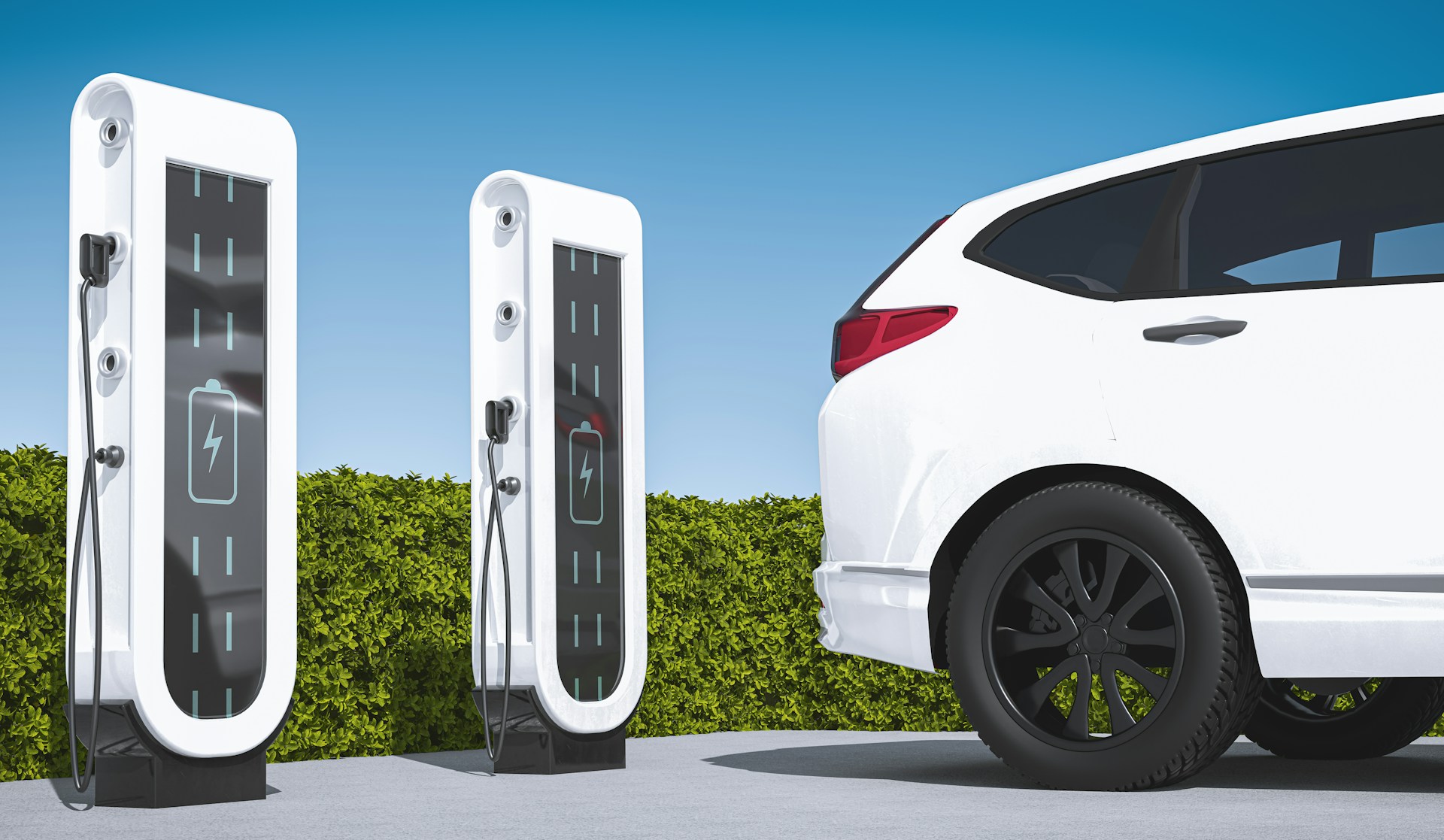
When temperatures drop in Rosenberg, TX, electric vehicle owners start noticing changes in how their cars perform. One of the biggest concerns during winter is battery efficiency. Cold weather can lower battery output and affect driving range, making it important to pay attention to how your car is operating. If you’ve recently switched to an EV or you’re dealing with colder months for the first time, it helps to know how seasonal shifts impact your vehicle.
Driving an electric car during winter isn’t impossible, but it does call for added attention. Understanding how cold affects EV batteries can help you avoid disruptions, delays, or costly repairs. There are several habits and maintenance steps that can really help extend battery life and minimize setbacks. We’ll lay out practical things you can do to keep your EV performing smoothly throughout the cooler season and help make your winter drives less stressful.
Understanding How Cold Weather Affects EV Batteries
Electric vehicle batteries respond differently to winter than gasoline-powered systems. Lithium-ion batteries, which power most EVs, slow down in low temperatures. That means your vehicle works harder and takes longer to do things it normally handles with ease. You might have noticed your car starts a little slower or takes longer to charge at home. That’s not your imagination — it’s just how the chemistry of the battery works in colder air.
When the battery gets cold, the fluid inside it gets thicker, slowing down the energy transfer. This can lead to issues like reduced driving range and slow charging speeds. You may notice yourself stopping to recharge earlier than usual or planning routes more carefully. The colder it is, the more energy your car uses because it’s also working to warm up the battery and cabin, especially if you hop in and crank the heater right away.
Here’s what might happen to your EV battery performance during the winter months:
- Reduced overall range, meaning fewer miles per charge
- Slower home and public charging times
- Delayed battery response, especially when starting the vehicle
- More energy needed for heating the cabin and warming the battery
These effects are common and shouldn’t make you question your car’s abilities. But if ignored over time, they can cause extra wear on the battery. Getting ahead of this with smart steps can protect your system and give you a better experience behind the wheel.
Pre-Winter Battery Maintenance Tips
Don’t wait for freezing nights before checking your EV’s readiness for winter. A little preventive care can go a long way. While Rosenberg winters aren’t typically brutal, it only takes a few frosty mornings to impact your battery health. Scheduling routine maintenance before cold weather hits can keep minor issues from turning into major headaches.
Start with checking your coolant levels. Just like traditional vehicles, EVs rely on proper thermal management to function well. Low or old coolant can interfere with the battery’s ability to regulate temperature. Next, inspect the battery terminals for dirt or corrosion. Clean, tight connections keep power moving efficiently and cut down on unnecessary strain.
Here are a few more steps to take before cooler weather sets in:
- Replace old coolant if it hasn’t been checked in a while
- Clean battery terminals and check for corrosion
- Make sure all cables and connections are secure
- Ask your technician to inspect the battery’s general condition and performance
- Review any vehicle alerts or system messages related to battery health
Taking care of these small tasks early helps avoid winter surprises. It also gives you peace of mind knowing your EV is ready to handle the season ahead. Partnering with trusted professionals makes it easier to catch any hidden issues before they turn into bigger problems.
Daily Habits To Protect Your EV Battery In Winter
Once winter sets in, it’s smart to build a few new habits into your daily driving routine. These small changes don’t take much effort but can have a big impact on how your EV battery handles the cold.
One of the easiest things to do is park your EV in a garage or carport whenever possible. Parking indoors helps keep the battery from getting too cold overnight. On especially chilly mornings, your EV won’t have to work as hard to get warmed up. If indoor parking isn’t an option, try to at least shield it from wind and frost by parking near a building or using a car cover made for winter weather.
Another helpful tip is to keep your car plugged in when you’re not using it. This allows the battery management system to maintain a stable temperature and stay slightly warm, which is better for performance and charging. Most EVs will manage their own temperature when connected to a charger, which uses less battery than warming itself up after being unplugged all night.
You should also take advantage of your vehicle’s preconditioning feature. This warms the battery and the cabin before you leave, using energy directly from the charger if plugged in. That way, you aren’t draining the battery just to get a warm seat and some heat blowing from the vents.
Here are a few more habits to get into:
- Set climate control timers to warm the car before your morning drive
- Keep the charge level between 20% and 80% to reduce battery stress
- Avoid running the heater non-stop while driving, use seat warmers when possible
- Don’t let your car sit unused for long periods in extreme cold
The more consistent you are with these habits, the more you’ll notice stable performance day after day. This kind of routine care can prevent smaller problems from turning into bigger ones during the season.
Optimizing Your EV’s Range During Cold Weather
Cold air can cut into how far your EV travels on a full charge, so it’s helpful to plan your drives a little differently. With each freezing morning, your battery has to work extra hard to power the cabin heater and warm the battery itself, which ends up reducing what’s left for actual driving.
You can help your EV use its power more efficiently by combining trips. Instead of making multiple short drives throughout the day, group your errands together into one outing. Once the cabin and battery are warmed up, keeping them that way takes less energy than warming them up again later.
Driving techniques matter too. Aggressive acceleration puts a heavier load on the battery, and unnecessary braking wastes momentum. Smooth, steady driving helps preserve energy and also makes for a more comfortable ride.
Use eco-mode settings if your EV has them. These settings automatically adjust throttle response, HVAC performance, and power output to help extend range in colder temperatures. You might notice the car feels a bit slower to respond, but that’s just part of the tradeoff for squeezing out extra miles.
One simple example is if your regular drive to work feels like it drains the battery quicker in winter, just switching to eco-mode, reducing your speed slightly, and not blasting the heat can make a noticeable difference. It’s a matter of getting used to different controls that favor efficiency.
Here’s what you can do to preserve range:
- Take fewer but longer trips instead of several short ones
- Use seat and steering wheel heaters instead of cabin heat
- Keep tires properly inflated for optimal traction and battery use
- Shift to lower power-driving modes when conditions allow
By adjusting your usual routine just a little, you’ll notice less stress on your battery and more consistency in your drive time.
Ensuring Long-Term Battery Health
Thinking beyond the current season is smart when you’re dealing with an EV. While daily use plays a role, your charging habits and tech updates also shape how well your battery performs over time. In cold weather, these things matter even more.
Try to avoid using fast chargers too often. While they’re great in a pinch, the high energy levels can add up and wear down your battery quicker if used too frequently, especially during winter months when the system is already under stress.
Make use of software updates from your carmaker. These updates can improve battery management systems, fix bugs, and help your vehicle respond more effectively to temperature changes. Some EVs do this automatically, but it’s worth checking that updates are installed on time.
For those living in areas with extra cold weather for long stretches, a battery warmer might be worth looking into. These are usually built-in features or accessories that keep your battery from reaching freezing temps. In Texas, extreme cold isn’t constant, but colder-than-usual years do happen, so having a plan can help.
Keep these tips in mind for long-term performance:
- Stick with Level 1 or Level 2 chargers for regular charging whenever possible
- Schedule routine service appointments to monitor battery condition
- Enable auto-updates for your EV’s software
- Ask about battery heating systems or accessories if you’re concerned about deep freezes
Treating your battery carefully year-round builds a strong base for better winter operation. It’s all about balance and staying ahead of what your EV needs before issues show up.
Keep Your EV Battery Winter-Ready with Finnegan Chevrolet Buick GMC
Getting your EV through the winter in Rosenberg doesn’t have to be stressful. When you learn how cold weather affects your battery, then take action with smart maintenance and driving habits, it becomes less of a headache and more of a routine. Every little change, from where you park to how you charge, helps your vehicle handle cold snaps better.
Building in these habits takes a little time at first but rewards you with stronger battery life and smoother performance. Whether it’s your first EV winter or your fifth, sticking to the basics can save you trouble later. Look at it like caring for any long-term investment — a little work now sets you up for fewer problems down the road.
For those ready to explore the best used EV cars and ensure your vehicle is prepared for all seasons, Finnegan Chevrolet Buick GMC is here to help. Whether you’re focused on winter readiness or seeking a reliable EV that complements your lifestyle, explore our diverse inventory and discover how we can support your journey toward efficient and worry-free driving.
Connect with us


- August 2026
- July 2026
- June 2026
- May 2026
- April 2026
- March 2026
- February 2026
- January 2026
- December 2025
- November 2025
- October 2025
- September 2025
- August 2025
- July 2025
- June 2025
- May 2025
- April 2025
- March 2025
- February 2025
- January 2025
- December 2024
- November 2024
- October 2024
- September 2024
- August 2024
- July 2024
- June 2024
- May 2024
- April 2024
- March 2024