



Blog / Rosenberg Buick Dealer

Blog

All Rosenberg Buick Dealer Rosenberg Used Cars Chevrolet SUVs New Chevrolet Vehicles Rosenberg Buick Service Rosenberg Chevrolet Dealer
EV Charging

Everything to Know About EV Charging Options Around Rosenberg

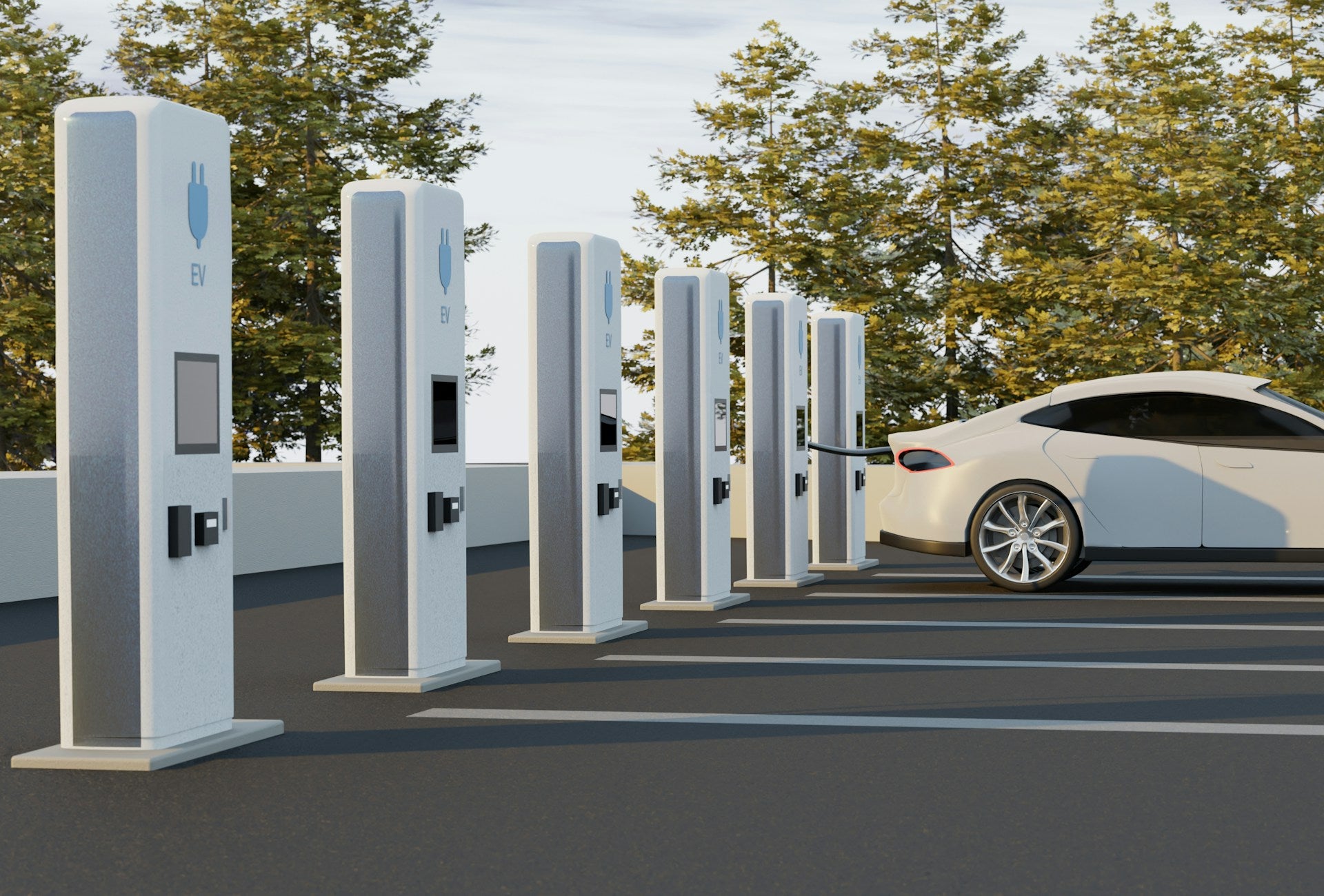
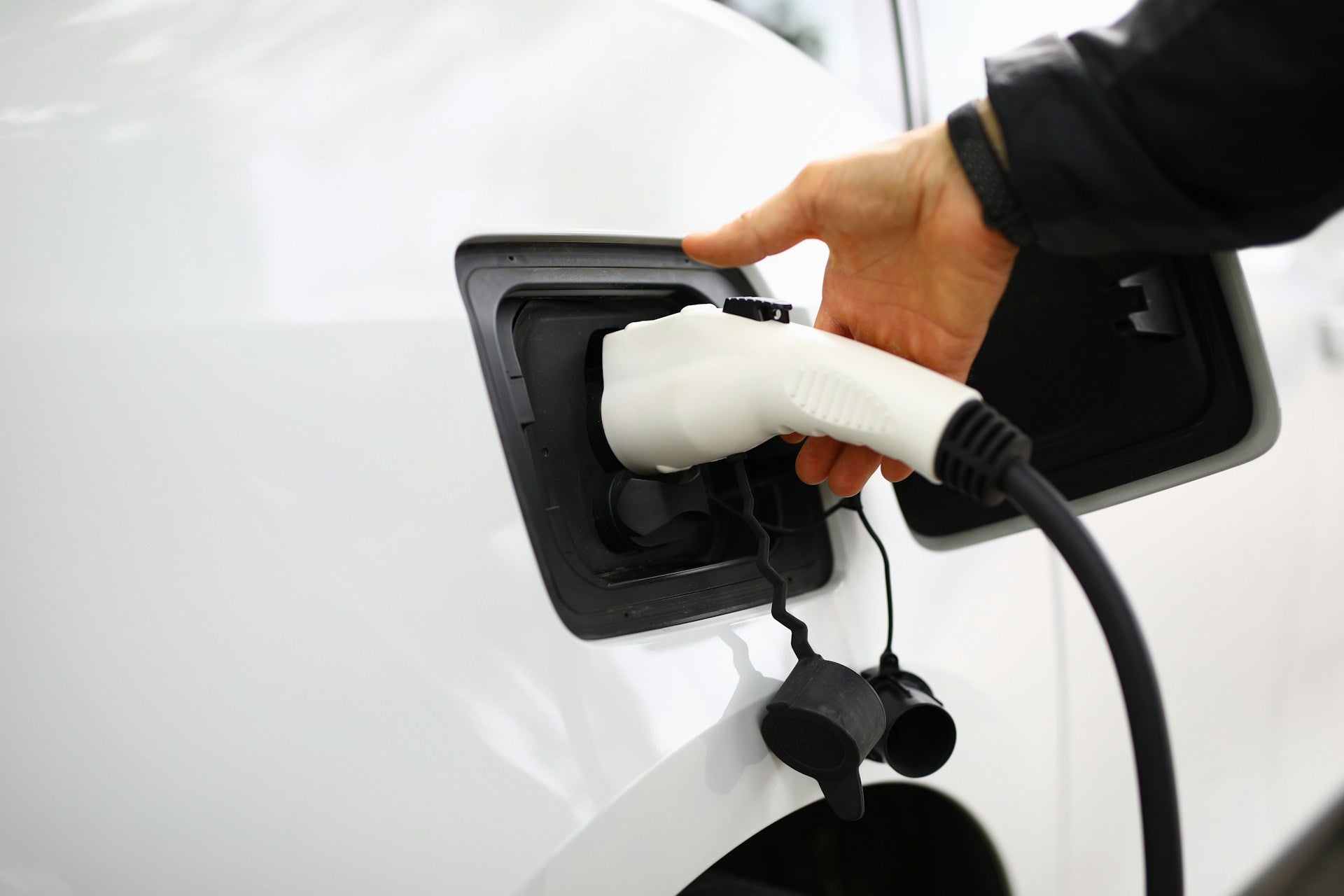
As cooler days start settling in around Rosenberg, many drivers are thinking about switching to an electric vehicle or figuring out how charging fits into their routine. Picking from different EV car options is more than just about the model or price. It helps to understand where and how charging can fit into your daily stops, from your driveway to the grocery store parking lot. Getting familiar with the local setup makes it easier to decide what fits your life. Whether you’re already driving electric or just thinking about it, we’re laying out what to expect from EV charging in the Rosenberg area. Types of Charging Stations You’ll Find Around Rosenberg Most EV drivers come across three kinds of chargers: Level 1, Level 2, and DC Fast Charging. The difference usually comes down to speed and where you find them. Level 1 charging is the slowest. It works through a standard wall outlet and is mostly used at home when there's no hurry. Level 2 charging is more common in public places and homes with charging stations installed. It gives a much faster charge than Level 1. DC Fast Charging is found at select public stations and powers up most vehicles quickly, though it’s not usually something you'd use daily. Public charging stations are scattered throughout the city, while private ones tend to be at offices and homes. Knowing which type you'll use most can help you prep for how it will blend into your schedule. If you rely on overnight charging at home, speed may not matter as much. But for someone using their EV for heavy driving during the week, access to quicker charge times can keep things moving without long stops. Sometimes, you might use a mix of several types based on traffic patterns and your daily schedule, and it’s helpful to know that options exist throughout Rosenberg to fit every need. Where to Charge Locally: Convenient Spots for Everyday Use Around Rosenberg, you’ll find charging stations attached to places people already go during the week. These aren’t hard to spot once you know where to look. Shopping centers and large stores are starting to add EV charging stations in their parking lots. City-owned areas like public lots and recreational centers are putting chargers near entrances to make short visits easier. A handful of newer apartment and office buildings offer private charging stations for residents or workers. Mobile apps make it easier to track down stations nearby, showing whether a spot is open or in use. That matters when you’re running errands and don’t want to wait. More businesses are starting to add chargers, too, knowing that people will stay longer when they can charge while browsing or eating. Even with public options, drivers in Rosenberg find that their routines naturally shift over time, as they learn where they like to stop and charge based on their habits and favorite stores. With a bit of planning, it’s simple to combine your normal schedule with a few routine charging stops that don’t slow you down. Charging at Home: Setting Up a Routine That Works Home charging is what keeps EV ownership simple for a lot of people. Once you figure out what setup you want, it becomes part of the daily routine. Level 1 charging through a standard outlet is an option if your daily mileage is low or if you're only topping off overnight. A Level 2 charger takes some installation work but gives a faster charge and can be easier to manage long term. Most chargers do best in a garage or a driveway since weather and access to your power panel matter. Homeowners in Rosenberg should think about their panel size, layout, and how they park. Charging overnight during cooler fall months can help with energy spread and limit stress on your power bill. Picking the place that fits your space and habits can make things feel less hectic as you settle into the EV rhythm. Some households choose to schedule their charging to align with lower energy rates, which is another way to save some money and reduce stress on the local power grid. If you switch between two vehicles, having the right charging cable setup makes things run smoother and keeps everyone’s car ready for daily use. EV Driving Habits That Keep Charging Simple Staying flexible is part of making the switch feel less stressful. Charging doesn't happen the same way for everyone, but there are a few habits that help. If you're planning a longer drive outside Rosenberg, mapping out available charging spots along your route keeps things moving. Fall weather is easier on batteries than Texas summers, but early mornings and cooler evenings can still affect range, so it's good to learn what your car handles best. Not all EVs are the same when it comes to range or charge ports. Thinking about your parking situation, whether you street-park or use a garage, can help narrow down the EV car options that will fit into your lifestyle best. Choices get simpler when you build around your own habits instead of trying to match what other people do. Setting timers, topping off after work, or syncing your home charging to lower-cost energy hours are a few ways drivers make it all work. As you figure out the daily details, you’ll start to notice which times work best for your home charging routine and which stations in Rosenberg are the most reliable during your errands. What to Expect as EV Use Grows in Rosenberg As more drivers move into electric vehicles, Rosenberg is beginning to adjust. Charging needs aren't just for early adopters anymore. Being part of this shift means things may feel different depending on where you drive most. But even small changes, like new parking setups or updated signage, can help more people get used to seeing charging as part of normal life in Texas. As charging stations become a more regular sight around town, it often gets easier to plan your week and keep your car ready for whatever comes next. Community resources like local EV owner groups are also popping up, making it easier to find practical tips and neighborhood charging locations. Ready to embrace the electric lifestyle with the best used EV cars in Rosenberg, TX? At Finnegan Chevrolet Buick GMC, we're here to make your transition effortless with our extensive range of EV car options designed to suit your lifestyle, whether you're commuting in town or embarking on longer journeys. Explore the possibilities and find the perfect vehicle that meets your needs and preferences. Visit our showroom today and let us help you navigate the exciting world of electric vehicles with confidence and ease.
Car Buying

Why Some Car Buying Options Are Easier Than Others in Texas

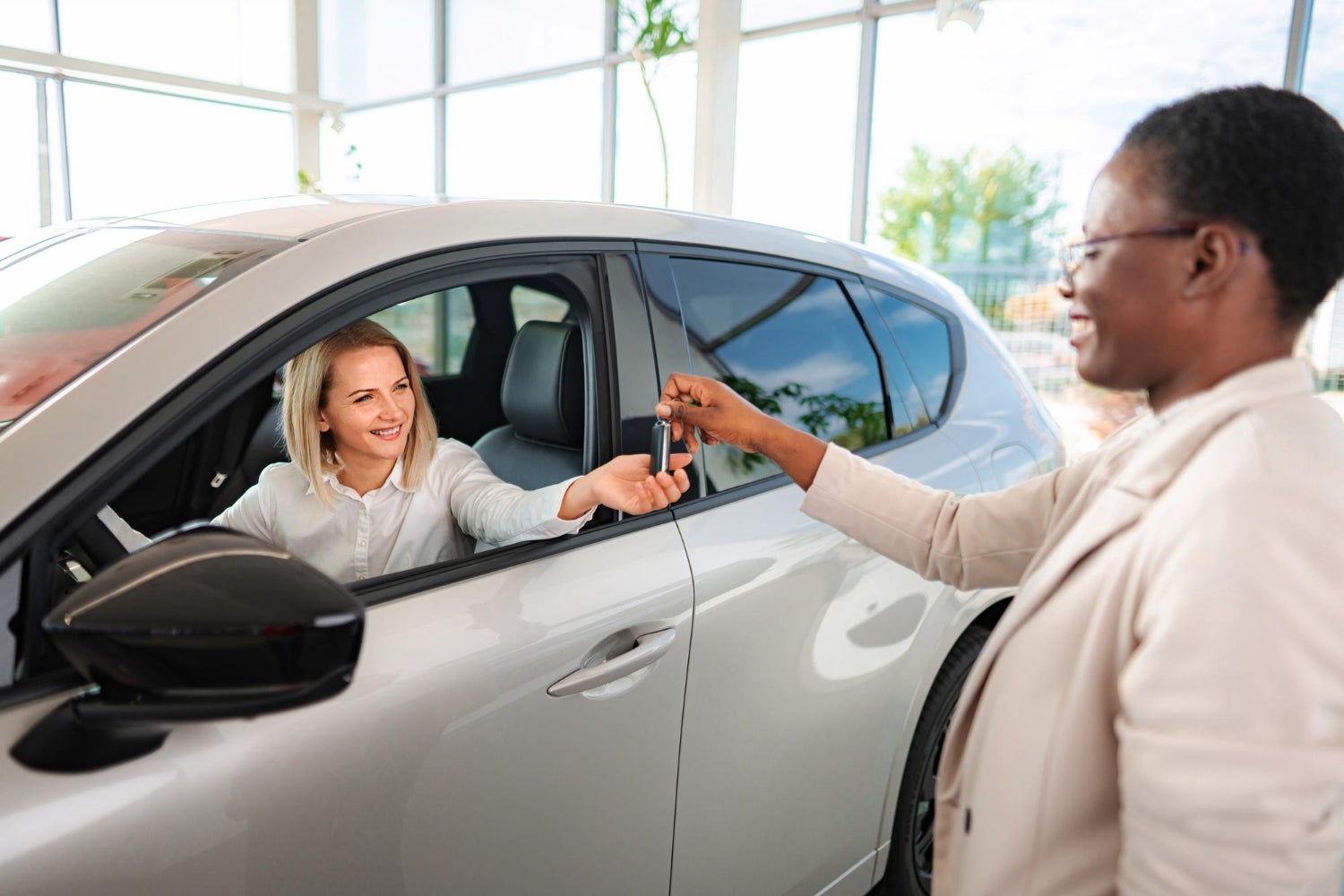
By the time September rolls around in Texas, many people are thinking past the summer heat and starting to plan for fall trips, sports schedules, and early holiday talks. That shift often brings one question to the surface: Is now the right time to replace or upgrade your car? The good news is, some car buying options really are easier than others, especially when a few key things are working in your favor. We have noticed that location, season, and even how much stress someone is under can all play a role in how smooth or frustrating buying a car feels. Whether you are looking for something newer or just tired of repairs, knowing what to expect can keep things from feeling too overwhelming. Timing Matters More Than You Think In Rosenberg, Texas, fall brings more than cooler evenings. It brings space to think. Traffic feels slightly less intense than mid-summer, school schedules settle in, and people are not quite racing against the clock the way they are in December. That calmer pace makes test drives easier to schedule and leaves room to think clearly before making a decision. Dealers also tend to have better availability around this time, so you do not feel rushed or like there is a line behind you. Fall often means less waiting for appointments, fewer weather delays, and generally a more relaxed shopping pace. If you are planning to hit the road later in the year for the holidays, it helps to make vehicle decisions early while options are still wide open. Late September is sometimes the sweet spot before the bulk of holiday shopping kicks in. Buying a car does not need to feel like a sprint. When the season supports a steady flow, it changes the whole experience. Slowing things down can reveal important details about vehicles you might not spot during a rushed summer day or a busy winter weekend. You may find more daylight for inspections and less pressure from other buyers competing for your attention. With fall’s lighter schedules, you can set appointments at your preferred pace rather than squeezing visits into busy summer calendars. Knowing What You Want Speeds Things Up A big part of why some car buying options feel smoother is preparation. We have seen how much quicker the process moves when someone walks in knowing what would help their daily life the most. That does not mean having a model picked out, but it does help to know what matters most on the road. Those who drive long distances every day often look for fuel efficiency and reliable mileage. Bigger families might lean toward space, extra seating, or better rear visibility. Others may prioritize tech features or newer safety setups depending on where and how they drive. New cars offer that fresh, factory feel, while used and certified pre-owned vehicles make sense for those who want affordability without giving up comfort. Matching a vehicle to your routine, not your wishlist, is often what keeps the buying process clear and frustration-free. If you frequently drive through city traffic, a vehicle with strong AC and convenient tech features may rise to the top of your must-have list. For those driving backroads or making long commutes each week, ride quality and dependable mileage may come first. The key is identifying your main needs before arriving at the dealership, which ensures your time is spent wisely and leads to a more satisfying choice. Support Makes All the Difference No matter how organized we try to be, buying a vehicle usually brings a few questions. That is why the kind of help someone gets can either calm nerves or add to them. What we have seen is this: talking things through early makes a big difference. Whether it is asking about trade-in values or checking if financing fits into your plans, a simple conversation can save hours later. When people are honest about their timeline or concerns, it allows staff to tailor the process (rather than rushing through it or guessing at priorities). Buyers who set up a few key questions or decisions ahead of time tend to make choices they do not second-guess later. A little clarity up front creates a smoother experience, and staying informed prevents last-minute pressure from creeping in. Dealers in Rosenberg, Texas, understand that taking the time to answer your questions helps everyone move forward with confidence. When you discuss your needs up front, staff can present cars and features that match your real priorities. This kind of support streamlines your search, so that when it is time to decide, you are fully aware of your options and the process feels organized. Used Car Sales Fit Many Life Stages We meet drivers at all points of life. College students buying their first car, couples expanding their families, people looking to downsize. For many of them, used vehicles strike that balance between cost, comfort, and dependability. A well-kept, low-mileage car that is two or three years old often has the features most people want without waiting months for delivery. Looking at service history and repairs gives peace of mind that the road ahead will not come with surprises. In Texas, where people rack up miles quickly, having an affordable and reliable vehicle makes daily life simpler. Our experience shows that many buyers find clarity in gently used options, especially when they do not need all the extras or have shorter commutes. A freshly detailed interior and clean maintenance records can make a pre-owned vehicle just as comfortable and trustworthy as something brand new, particularly for buyers interested in practicality or savings. Those who want to avoid the stress of a big purchase sometimes discover that a used car checks every box, from comfort to technology, while costing less and providing dependable transportation for years ahead. When Buying Feels Simple, Driving Does Too When the buying process feels rushed or confusing, it sticks with people. It can make them second-guess their choice even weeks later. But when it is calm and steady, they tend to drive off more satisfied and comfortable with what they picked. Fall in Texas gives room to slow down just enough to make these decisions without chaos in the background. The weather helps too, since test drives are more comfortable and time on the lot is not cut short by heat or summer storms. With the right mix of timing, support, and mindset, the process of looking at car buying options can feel far less stressful. It becomes something to check off the list with confidence, not something to dread. That peace of mind matters, especially when the seasons start changing and life gets a little fuller. Good decisions carry over into a better ownership experience (from paperwork and financing to the first weeks of daily driving). Choosing a car during a relaxed, favorable season means the entire transaction feels smoother and the new or new-to-you vehicle meets your needs right from the start. Fall is the ideal time to explore your car buying options in a relaxed setting, and at Finnegan Chevrolet Buick GMC, we are here to ensure your experience is smooth and satisfying. Whether you're in the market for a new ride or considering a pre-owned vehicle, Texas best auto deals await you with plenty of choices to match any lifestyle. Experience the ease of car shopping this season, and let our friendly team help you find the perfect fit. For those seeking unbeatable deals, Texas best auto deals are within your reach today.

Electric Vehicle

What’s Changing with Electric Vehicle Trends in Texas

More Texans are thinking differently about electric vehicles than they were just a few years ago. The technology is still important, of course, but today's buyers are paying close attention to how these vehicles actually fit into everyday life. From scorching summer heat in central Texas to long stretches of highway across rural counties, there's a lot to factor in. Electric vehicle trends are shifting in ways that reflect not just tech updates, but real changes in how people live and drive. We're seeing more questions around comfort, roominess, and whether a vehicle feels like a practical fit rather than just a clean-energy option. With regional habits and lifestyles leading the conversation, we’re watching electric cars evolve to match the rhythm of life here in Texas. New Priorities for EV Buyers in Texas Gone are the days when battery range was the only question buyers asked. Texans today want electric vehicles that suit longer daily commutes, family travel, and the demands of hot-weather driving. Interior space is getting more attention, especially from drivers who carry passengers or gear often. Models that offer roomy cabins and flexible seating are rising in popularity. Buyers are valuing comfort more now, with upgrades like softer materials, quiet rides, and convenient tech making a deeper impression. With many parts of Texas seeing long drives between cities, drivers are leaning toward electric vehicles that mirror the feeling of traditional SUVs instead of smaller, compact cars. What’s shaping decisions isn’t just energy use. It’s whether the electric vehicle feels dependable for real life, workdays, school drop-offs, weekend getaways included. Vehicles are more than just tools for transportation, they play a central role in our routines and are expected to support varied needs without hassle. How Texas Heat Shapes EV Design and Features Summer heat in places like Rosenberg, TX, isn't something you simply ignore. It’s a part of daily life, and electric vehicles that don’t respond well to it can feel underbuilt. More drivers are looking for models that use heat-resistant interior materials, so seats and dashboards don’t trap the sun and wear down quickly. Cabin insulation matters more too, not just for quiet rides but for holding in cooler air when it counts. Climate control systems with faster cooling speeds and features like ventilated seats have moved from luxury to expected. Families, commuters, and weekend drivers all benefit from systems that respond quickly without draining the battery or causing performance hiccups during peak afternoon temperatures. It’s a big part of why thoughtful design matters on both the inside and out. With summers growing longer each year, heat-readiness is a dealbreaker for many, leading to increased interest in models built to keep interiors comfortable and components running at their best. Range Improvements and Charging Expectations As electric vehicles improve, so do expectations about how far they’ll go and how often they’ll need to stop. We’ve seen more demand for models that offer longer range between charges. That matters in a big state where drivers often spend hours on the road. Route planning tools that help track nearby charging stations in real time are becoming standard. It takes some guesswork out of long-distance trips. Simplified charging tech, like faster connections and easy-to-read status indicators, is making it easier to plug in and move on. People want the vehicle to handle the background work. Instead of managing every detail, drivers are looking for options that fit into a regular routine. These improvements allow drivers to feel comfortable tackling new routes, and families can plan their trips with fewer interruptions. Even first-time EV owners are gaining confidence as the charging experience becomes easier and more intuitive than ever. Growth in EV Truck and SUV Options Some of the most noticeable changes are happening in electric trucks and larger SUVs, the types of vehicles Texas drivers have always favored. Models with towing capability, storage space, and higher ground clearance appeal to those who haul, camp, or work across varied terrain. Family-sized options with second and third-row seating are helping more households move toward electric without sacrificing space. Off-road and all-weather features are giving drivers more confidence to take electric vehicles beyond city limits. These new designs are opening doors. No longer limited to compact urban models, electric trucks and SUVs put electric on the table for drivers who need more than just two seats and a short commute. Bigger battery packs and durable frames have made it possible to carry bigger loads over rougher roads. Those upgrades mean people can choose electric for their main vehicle, not just as an extra car. Design Trends That Fit Texas Roads and Lifestyles What a car looks like matters too. Style isn’t just about making an impression, it’s about relating to where and how we drive. Many Texas buyers are choosing finishes with rugged trim, matte surfaces, or darker tones that hold up well in heat and dust. Customizable interiors are a draw. People want extra storage cubbies, flexible seating, and automated features that feel practical, not complex. Simplicity in tech is coming back into favor. Big touchscreens are fine, but drivers are asking for layouts that don’t add confusion or distraction. Texas roads, whether wide highways or bumpy backroads, shape what people need. Style paired with utility is becoming the new standard. Details that withstand sun and dust are worth paying for, and tech that is easy to reach matters more than ever during a busy commute or family trip. Local lifestyle is being woven right into the dashboard and seating, creating vehicles that truly feel made for Texas. Ready to incorporate the latest electric vehicle trends into your lifestyle in Rosenberg, TX? At Finnegan Chevrolet Buick GMC, we offer expert guidance and an exceptional selection of models designed for Texas roads and climates. Explore our range of options, including vehicles with enhanced cooling systems and extensive cabin features, to find your perfect match. As a top GMC dealership in Rosenberg, TX, we are committed to helping you make a seamless transition to electric driving. Contact us today to start your journey towards a smarter commute.

Vehicle Prep

Simple Ways to Check Vehicle Readiness for Texas Fall Drives

Fall in Texas is a welcome change after a long stretch of summer heat. The weather cools just enough to make weekend drives and short trips across town more enjoyable. With milder mornings and clearer evenings, it’s the kind of season that invites drivers to take the scenic route or squeeze in a few extra errands comfortably. Before we stretch the legs on our vehicles, it’s a good idea to double-check that they’re still performing the way they should. Some things can quietly shift after months of hot weather and longer trips. Whether we’re sticking with the vehicles we have or exploring used car sales for something that fits our needs better, taking a bit of time now can prevent unexpected problems later. Look Over Tire Health and Pressure Tires put in a lot of work over the summer, and seasonal changes can affect how they perform. As temperatures drop, air pressure tends to fall too. For drivers in and around Rosenberg, TX, the weather shift may cause tires to lose more air than expected, making it important to check on them as fall approaches. Feel the tire tread. If it’s worn low, it might be time to replace or rotate sooner than expected. Safe traction matters more when roads become slick. Check tire pressure while the tires are cold and adjust it to match the cooler weather range listed in your manual or door placard. If you haven’t rotated your tires recently, consider doing so to keep wear even and extend their life. Even small changes in tire health can change how your vehicle handles, especially when roads are wet with early morning dew. Proper tire maintenance also helps with fuel efficiency and can prevent inconvenient flats or blowouts down the road. Test Battery and Lighting Systems Texas heat can be tough on car batteries, and we don’t always notice signs of wear until things stop working properly. Look at the battery terminals. If you see white residue or corrosion, that buildup can weaken connections. Try starting your car at different times of day to notice slow cranks or dim interior lights. Test every exterior light you have: brake lights, turn signals, reverse lights, and both low and high beams. The days shorten quickly after September, so functioning headlights and brake lights matter even more than usual. Testing them all now can avoid surprises later as sunsets come earlier. Checking backup and license plate lights helps you stay visible and safe as dusk settles in. Review Braking Power and Fluid Levels Brakes tend to wear gradually, which makes changes hard to spot. But a few short tests can show whether anything’s off. While driving slowly in a safe area, notice if the brakes feel soft or make grinding sounds. If it takes longer to stop than it used to, that’s a sign that something needs checking. Under the hood, take a look at your brake fluid reservoir. It should be between the minimum and maximum lines and appear clear or lightly colored. It’s a good time to check other fluids too. Top off coolant if needed and make sure your windshield washer fluid is full and ready for bug-covered windshields and dusty fall roads. If transmission or power steering fluid looks low, topping off those reservoirs can help prevent future headaches. Make Sure Heating and A/C Still Work Texas fall weather can jump from one extreme to another, often in the same day. That means needing both heat and AC to be ready without warning. A car that can adapt to surprise temperature swings keeps you comfortable during early morning drives and late returns. Start your vehicle and test both temperature ranges. A fast shift between hot and cold air means your system is likely doing okay. If air blows weak or strange smells come through the vents, it could be a sign of clogged filters or issues in the system. Dust and dirt from summer trips can build up in the vent system and dull overall performance. Catching small issues early keeps you from getting stuck with poor airflow during that one chilly morning when you need to defrost fast. It’s often helpful to replace cabin air filters ahead of seasonal changes, as trapped dust and pollen from summer can linger and affect comfort inside the car. Know When It’s Time to Trade or Upgrade If your current ride has been needing more attention lately, it may be time to decide whether another round of repairs makes sense. Fall tends to be a bit calmer than summer or winter, which makes it easier to look over your choices. Used car sales sometimes offer well-kept vehicles with fewer miles and updated features. When comparing options, think about long-term value. Will an older car cost more in surprise fixes than a newer one would in monthly payments? Pay attention to service records, fuel mileage, and regular wear parts. If the balance is no longer leaning in your favor, it’s okay to start fresh. Look for something that fits your routines better, is easier on fuel, or has safety updates your current vehicle doesn’t include. Taking the time to weigh your options ensures you don’t rush into a new payment or repair without understanding the costs and benefits. Ready Vehicles Make Fall Drives Stress-Free Making a few small updates now means we’re less likely to run into bigger issues later. Tires, brakes, fluids, and climate control systems each play a steady part in comfortable fall driving. Light traffic, cooler afternoons, and smoother roads are easier to appreciate when the car works as it should. Whether we’re keeping the car we’ve got or turning to used car sales for a better fit, paying attention to a few core pieces helps every drive feel more relaxed and reliable. With fall weather already shifting in Rosenberg, TX, it’s a good time to plan ahead and make the season about enjoying the ride. Fall driving is more enjoyable when you know your vehicle is ready for longer trips and unexpected weather shifts, keeping you and your passengers secure and comfortable. As you prepare for more enjoyable fall drives, it might be the perfect time to explore new possibilities for your vehicle. If you're considering an upgrade, our selection of used cars in Rosenberg offers a variety of options that combine reliability with value. At Finnegan Chevrolet Buick GMC, we’re ready to help you find a ride that suits your lifestyle and keeps your journeys smooth and safe. Get in touch with us today, and let's make your fall adventures even more exciting.

GMC Truck

Top Signs You're Ready to Trade for a New GMC Truck

As September rolls in and families across Texas start settling into their fall schedules, it’s a common time to reassess what’s working and what’s not. That includes thinking about the truck you rely on day after day. Whether it’s hauling tools, commuting through Rosenberg, TX, or just leaving room for weekend plans, your vehicle plays a part in how smoothly life runs. GMC trucks have built their reputation on practicality and durability, but even the most reliable truck eventually reaches a turning point. If you’ve been eyeing newer models or wondering whether your current truck can keep up, it might be time to take a closer look. Local GMC dealerships can usually help uncover what signs to watch for. Here are the ones we see the most from drivers who know it’s finally time for a change. Your Current Truck Is Struggling With Daily Demands When something you rely on starts falling short, it tends to show. Trucks that used to handle everyday driving without complaint can slowly start causing more stress than relief. Problems don’t always pop up overnight, they often creep in little by little. You may notice more frequent visits to the shop for issues like engine knocks, slow starts, or brake noise. Repairs drag out longer because parts are harder to find or cost more than they used to. Towing feels heavier than it did years ago, and basic hauling takes longer or needs more effort. Features like old suspension setups or basic traction systems might not meet your use anymore. Older trucks that once worked well can feel behind the times quickly, especially with how fast vehicle tech has moved forward. When your truck feels more like an obstacle than a tool, that’s a flag worth paying attention to. Your Lifestyle Has Shifted Over Time Life does not stay the same, and your truck needs to keep up. Changes in family, work, or even hobbies can shift what you need from your vehicle. Many drivers trade in not because their current truck broke down, but because it just doesn’t fit anymore. A growing family may call for more passenger space or safety features tailored to little ones. Long commutes across Houston traffic can turn fuel costs and comfort into priorities. New hobbies like RV camping or off-roading could demand stronger towing and handling. If your schedule has changed or your routine looks nothing like it did five years ago, your truck might be more of a mismatch than you realized. Moving to something that better suits your day-to-day can make a big difference, especially as fall sets in and routines get busier. You're Looking for Better Features and Comfort Spending time in your truck each day doesn’t have to mean settling for outdated features. Today’s GMC trucks bring more comfort, function, and ease of use than ever. From cab design to smart trailering help, the upgrades add up fast. Newer trucks often include wider touchscreens, backup cameras, and navigation systems that simplify driving. Seamless smartphone integration helps with calls and maps while keeping your eyes on the road. Comfort matters too, ventilated seats, dual-zone climate control, and upgraded materials can ease long drives. Noise levels in modern truck cabins are typically lower, especially helpful on highway trips. Drivers often don’t notice how dated their current truck feels until they sit in a newer one. And when temperatures still climb in September, cooler cabins and better airflow can make a noticeable difference. You Want Financing Options or Lease Flexibility Sometimes the push to upgrade isn’t about features or engine sound. It comes down to money. As trucks age, they often cost more to keep running smoothly. At a certain point, shifting into a newer model just makes more sense, especially with options at GMC dealerships that can make that move easier. Moving from an older truck to a newer one under warranty can reduce unpredictable repair bills. Flexible leases or trade-in deals can help drivers keep monthly costs stable. Some owners find that applying their current truck’s value shortens the financing period of a replacement. It’s not just about saving money now. It’s about setting yourself up for fewer surprises in the months ahead. That peace of mind can go a long way when the fall calendar starts filling up fast. Your Truck’s Value Is Still Strong If your truck still runs well and looks good, that could be an advantage. Holding onto a vehicle until it breaks down completely might seem smart, but it means you lose the chance to trade while the value is still up. That’s a factor many overlook. Clean trucks with relatively low mileage often bring competitive trade-in value. Popular models in Rosenberg, TX, may be in high demand during early fall trade-in windows. New model rollouts make this season a common time for many drivers to upgrade. If you’ve been thinking about it anyway, late summer is a smart time to act. When you wait too long, the wear catches up and lowers what your truck might bring in. Trading while your current vehicle still has solid resale value can make the whole transition easier. Knowing the Right Time to Trade Can Make Driving Easier Some clues are obvious. Constant repairs and the growing chance of breakdowns are hard to ignore. Others sneak up slowly. A long drive that leaves your back sore or another school drop-off where space gets tight might be signs too. When your truck no longer fits comfortably into your day, it usually means something needs to change. Fall tends to bring a faster pace. If your current ride can't keep up, upgrading into a newer GMC can make your daily drive smoother, quieter, and less stressful, just in time for everything else the season sends your way. Ready to upgrade your truck before fall routines pick up? At Finnegan Chevrolet Buick GMC, we make it easy to find a vehicle that fits your day-to-day life in Rosenberg, Texas, whether you need comfort for the commute, towing power for your workload, or space for a growing family. Our latest models come loaded with the features drivers ask about most, so you can make your next move with confidence. Take a look at our current GMC dealerships inventory, then give us a call or stop by when you’re ready to experience one in person.

Pre-Owned Listing

How to Sort Through Texas Pre-Owned Listings Without Confusion

Late summer is a smart time to start looking at pre-owned vehicles, especially if you’re trying to stay ahead of the fall rush. School schedules, shorter days, and busier traffic all add up fast once September rolls in. For drivers in Rosenberg, TX, the heat is still in full swing, but the right car search doesn’t have to be stressful. When you're searching for Texas best pre owned vehicles, it helps to know how to spot the good ones from listings that look better than they are. Scrolling through pages of options can be exhausting if you don’t know what to focus on. We’ve put together simple ways to cut through the noise and find used cars that are actually worth your time. Make Sense of Listing Language Used car listings often pack in a lot of info, some helpful, some confusing. Knowing how to read the terms can help you avoid missteps. "Certified" usually means the car has been inspected by a dealer and may include extended coverage. "As-is" means the seller won’t cover any repairs after sale, so look closer at condition. A "clean title" shows the car hasn’t been declared a total loss by insurance. It’s also worth paying close attention to how mileage and trim levels are described. A “low-mile SUV” could mean 80,000 miles or 30,000, so check the actual number. Be cautious with listings that skip details or use filler language like “great shape” without explaining what’s been replaced or serviced. Vague listings might be hiding something, or at the very least, leave you with more questions than answers. Know What to Look for Based on Season and Location Texas summers hit hard, and that heat can take a toll on older cars, especially ones that haven’t been cared for. Right now, before cooler weather rolls in, you'll want to keep a close eye on key parts of any car you're thinking about. Make sure the air conditioning is running properly during your test drive. Check the tires for wear, cracks, or age, especially if the vehicle has been sitting. Ask for service records to see how often the car was maintained. Sometimes heat damage won’t show in photos. Look for faded paint, cracked dashboards, and worn rubber seals on doors or windows. These small signs can tell you how much heat exposure the car’s had and hint at how the rest of the components may have held up. Compare Value, Not Just Price It’s tempting to jump on the cheapest listing, but price alone doesn’t tell the whole story. Instead, compare overall condition, mileage, features, and service history. A slightly older vehicle with full service records may be a better pick than a newer one with gaps in maintenance. Higher mileage can be okay if the car’s been well cared for. Look at a few cars with similar year and mileage to see what gives you the most for your money. Sometimes the better deal is the one that avoids hidden headaches later. A car priced a bit higher might come with newer tires, updated brakes, or no accident history. Those extras can bring peace of mind even if you're not getting the lowest sticker price. Filters That Help Narrow the Right Fit Online tools make it easier to cut down the list of available cars, but only if you’re using the filters well. Set your year, make, and model preferences, but leave room to compare a few neighboring options. Adjust your budget range slightly above and below your limit to see what upgrades or condition differences exist. Add filters for mileage, transmission type, body style, and reliable dealer ratings. Watch out for listings that show up again and again. If the same car keeps popping up in your results but no one’s snagged it yet, pause and look a little closer at why. Too many flattering photos and little substance in the description can be a red flag. A polished listing should still give you real information about how the vehicle has been used and what shape it’s in now. Follow Up with the Right Questions Once you’ve found a few cars that look promising, go in with a plan. Asking good questions now can save you time and future problems. Confirm whether the vehicle has been in any accidents or had major repairs. Ask for full maintenance records and where the work was performed. Clarify how many owners the car has had. Ask whether an inspection report is available or if a third-party one can be arranged. Find out if there's any remaining warranty or available coverage. If you're working with a dealer, see if they offer any documentation on their inspection process. When possible, visit in person to check if the car really matches what’s shown in the listing. Photos don’t always show scratches, stains, or smells. A short drive and a glance under the hood can tell you a lot about how recently the car was cleaned up versus properly maintained. Confident Car Shopping Before the Busy Season Buying a used car in late summer can give you a big head start before fall traffic and schedules hit. With the right checklist and a little patience, sorting through what seems like endless pre-owned choices becomes more manageable. By learning how to search smart, ask directly, and stay focused, finding Texas best pre owned vehicles gets easier. You don’t need to guess which ones are reliable, you just need to read listings with care, ask a few clear questions, and remember what really matters for your day-to-day driving in Rosenberg, Texas. At Finnegan Chevrolet Buick GMC, we understand that shopping for a used vehicle in Rosenberg, Texas, is all about finding reliability for your daily drive. From withstanding tough Texas weather to making smart comparisons, we focus on what really matters. When you want to explore vehicles that truly fit your needs without the uncertainty, our current selection of Texas best pre owned vehicles is here to help you take the next step with confidence. Let us make your search easy, reach out with any questions or if you’d like help getting started.

Chevrolet

Understanding the Differences in Chevrolet Lease Structures

As summer winds down in Texas, now is a smart time to start thinking ahead. For many drivers, that means rethinking how they use their vehicles and whether a lease makes sense before the busier fall season hits. Around this time of year, life tends to speed back up with school, work, and longer commutes. Chevrolet offers different car leasing options, but they can look a bit confusing at first. Terms like closed-end and residual value may not mean much until you break them down. If you're thinking about skipping the long-term loan and trying something more flexible, understanding the lease types first can save time and stress later. What Is a Lease and How Is It Different from Buying? Leasing a car means you're paying to use it for a set amount of time instead of owning it. The contract usually runs for two to three years and includes details like monthly payments, included mileage, and what counts as normal wear. If you buy a car, you own it outright or finance it with a loan, and it's yours to keep or sell later. With leasing, the dealership still owns the car, and you agree to return it in good condition when the term ends. Leases often have lower monthly payments compared to loan financing. Most leases have set mileage limits, with extra fees if you go over. At the end of a lease, you either return the car or sometimes have the option to buy it. For people who don’t drive much or who like swapping vehicles every few years, leasing can feel like a better fit. Common Chevrolet Lease Structures Drivers See Every driver’s needs are different, which is why Chevrolet offers a few types of loan setups rather than a one-size-fits-all model. Each structure comes with different pros depending on how you drive and how long you want to keep the vehicle. Closed-end leases are the most common. You hand the car back when the term ends. You don't have to worry about resale value. If it's still in good shape and within mileage limits, you're all set. One-pay leases are paid in a single up-front payment rather than monthly installments. This type can sometimes offer savings and is useful for drivers who prefer fewer monthly expenses. Lease programs tied to loyalty or repeat drivers may allow better terms or more flexibility if you've leased before or stick with Chevrolet every few years. It's worth reading through the details before choosing. What looks good on the surface might not be the best match for your daily habits. How Lease Terms Can Change Based on Use Texas drivers often cover a lot of ground, whether for work or road trips. That means lease mileage and usage rules can play a bigger part in your decision. If you drive long distances often, check the mileage cap closely. Many leases give an average yearly max, but extras can usually be added upfront. For people who mostly use their car around town, a standard lease mileage limit may be just fine. Summer and holiday driving can add surprises. If your miles go up during vacation or family events, plan ahead for that increase before locking into a lease. Some leases include wear-and-tear limits. Highway driving is usually lighter on wear than constant stop-and-go city use, especially in summer heat. The key is picking terms that match your real routine, not just your ideal routine. Making Sense of Payments and Incentives Lease pricing involves more than the monthly number on the sticker. The total cost is shaped by factors that can shift depending on model, market, or specific dealership events. Down payments can reduce monthly costs, but paying less up front usually means higher monthly fees. Residual value is what the car is worth at the end of the lease. A higher residual value usually helps keep costs lower. Promotions might offer tempting monthly rates or low up-front costs, but make sure to read the full terms, including fees for going over mileage or ending early. Prices can vary based on trim levels, model years, and even color availability. Newer models or rare trims may cost more to lease. Being aware of what influences the structure helps you ask the right questions and budget without surprises. What to Think About Before Signing a Chevrolet Lease Before signing anything, it’s good to slow things down and ask how a lease would fit in your bigger picture. Ask about the full term length and whether it's flexible at all. Find out what happens if you need to end the lease early or swap cars before the term ends. Check if regular maintenance is included or expected during the lease. Some drivers prefer to have tire rotations and oil changes covered. Think about what might change during your lease period, like job shifts, school plans, or growing families. Will the car still fit after two years? Getting all the information up front makes it easier to avoid getting locked into something that doesn’t work six months down the road. Choosing the Lease That Matches How You Drive Car leasing options aren't just about numbers on paper. They’re about how you actually live and drive. If you're driving a long way every week or prefer a new car every few years, Chevrolet leasing structures give you room to plan. Understanding what separates one lease from another lets you avoid guesswork and feel more prepared come signing day. Right now, as we near the end of summer in Rosenberg, Texas, it’s a good time to step back and look at how your car fits into your daily routines. Matching the lease to that rhythm makes the experience smoother from start to finish. Ready to explore leasing options tailored to your needs? At Finnegan Chevrolet Buick GMC, our team is dedicated to helping you find the perfect fit for your lifestyle, whether you're interested in flexibility, the latest models, or manageable commitments. Discover our Chevy best lease deals and take the first step toward driving a car that complements your routine in Rosenberg, Texas. Let us guide you with expert advice and friendly service to ensure a smooth leasing experience.

GMC

Checklist for Visiting a GMC Dealer in Rosenberg for the First Time

Visiting a GMC dealer in Rosenberg, TX, for the first time can feel like a big step, especially if you haven’t been to a dealership in a while or don’t know what to expect. Walking into a showroom on a hot August day might just add to the overwhelm. That Texas sun can really turn up the heat, so it is a good idea to prep for both the weather and the visit itself. A little planning up front can help you make the most of your time and feel more confident about what comes next. Knowing what to bring, what to ask, and what to look for can save time and help you focus while you're there. Whether you're just browsing or ready to buy, being prepared helps you walk away knowing you made the most of your visit. Know What Vehicle You Want to Test Drive Before you head to any GMC dealer in Rosenberg, TX, take some time to do a little homework. You don’t need to become an expert, but getting familiar with GMC models can help narrow things down fast once you're on-site. Make a list of models you're interested in Write down a few must-have features, like towing capacity, third-row seating, or remote start Be open to suggestions in case a similar vehicle better meets your needs Salespeople can help guide you if something you like isn’t available or if there's something even better you didn’t know about. Walking in with an idea of what you want (and what you don’t) makes the test-drive process a lot smoother. What to Bring With You on Your Visit Planning ahead can keep your visit on track and help avoid any slowdowns. Bringing a few key things with you can make a big difference, especially if you're hoping to drive something or talk numbers. Bring a valid driver’s license so you can hit the road for a test drive Have recent pay stubs or financing pre-approval documents with you if you're planning to buy Carry a bottle of water and dress for the heat, you might be walking around the lot a lot more than expected The Texas heat in August can sneak up on you fast. Staying hydrated and comfortable helps you focus more on the vehicles and less on the sweat. Questions to Ask While You're at the Dealership A first visit isn’t just about seeing cars. It’s your chance to ask questions that help connect the dots and give you peace of mind. If something is on your mind, even if it seems small, it’s worth bringing up. Ask what warranties or service plans are included with the vehicles Find out how long the models you're looking at usually stay in stock If you're sensitive to heat, ask how the cabin design helps with interior cooling If you’re trading in a vehicle, get details on how that process works and what info you’ll need Being direct helps avoid missed details and makes it easier to compare what you're seeing. Exploring the Dealership's Facilities and Services While you’re waiting or between test drives, take a minute to look around the dealership’s spaces. How a dealer handles their service center and customer areas can give you a better picture of what long-term support might feel like. Ask to see the service area if it’s not in plain sight Look around the waiting areas to see if they’re clean and comfortable Ask if they offer scheduled maintenance plans or provide loaner vehicles for service appointments If you plan to service your car at the same location where you buy it, knowing what those spaces are like and what’s covered over time matters more than you’d think. Final Check: Review and Reflect Before You Decide It's easy to get caught up in the moment, especially when a car feels just right during a test drive. But it’s okay to pause and take a second look before deciding. Don’t rush the process. Take another test drive if something didn’t feel quite right Compare trims, model years, and even colors while you’re there Use your phone or a notebook to track what stood out and what you still have questions about When you get home, those notes can help guide your thinking. Sometimes having the time to sleep on it helps you see things more clearly. Making Your First Visit Count in the Long Run Your first visit to a dealership should leave you feeling informed, not rushed. Whether you're ready to buy now or just doing research, what matters most is that you feel confident in the next step. By asking the right questions, showing up prepared, and taking the time to look at your options, you're setting yourself up for a smoother experience. Walking the lot in August heat might be a workout, but it’s worth it to feel comfortable with your decision when you’re behind the wheel. Ready to visit a GMC dealership in Rosenberg, TX and explore the range of vehicles that fit your needs? At Finnegan Chevrolet Buick GMC, our team is prepared to assist you with any questions you might have, from test drives to trade-ins. Feel the thrill of discovering the perfect GMC model that meets all your requirements. Visit us now and make your next drive unforgettable!

GMC Truck

How to Choose a Texas Truck That Handles Year-Round Conditions

Choosing a truck in Texas means thinking beyond style and sticker price. Around here, the weather can flip fast. That means the truck you count on needs to do more than look good. It needs to power through blistering summers, heavy downpours, dusty roads, and unexpected cold snaps, sometimes all in the same year. Texas best trucks aren’t just built for comfort. They’re made to work, whether that means hauling feed, navigating city traffic, or handling tight turns on steep ranch trails. When our neighbors in and around Rosenberg, TX, come looking for a truck that can hold up every month of the year, we know they’re thinking about more than just horsepower. They want something that makes life easier through real Texas conditions. Consider the Climate You’ll Drive Through The weather in Texas shifts constantly, and some regions get more than their share of extremes. From scorching summers in the south to freezing mornings up north, our state puts vehicles to the test. That’s why a solid all-season truck has to handle more than one kind of condition. Summer heat demands heavy-duty cooling systems and tires that can hold up on sizzling highways. Brake pads and traction systems need to stay sharp, especially during stormy months when roads get slick. A truck with smart airflow or vented seating is easier to ride in when humidity peaks well before noon. Higher clearance helps when water collects on low rural roads during flash floods. Winters in Rosenberg aren’t like they are farther north, but some areas of Texas still get hit with frost and even patches of ice. So dry performance isn’t enough, a well-rounded pickup has to stop and steer confidently when the weather shifts overnight. Focus on Versatility for Both City and Land Conditions change fast here. You might drive on smooth city streets in Rosenberg during the week, then head to your deer lease or a feed supply out on clay roads by the weekend. That’s where versatility matters most. Two-wheel drive trucks make sense for mostly in-town drivers or flat routes with no off-roading. Four-wheel drive comes into play when you're headed past the pavement or hauling across uneven ground. Storage flexibility, strong tailgates, and easy-tie systems help when you're loading ranch tools or weekly groceries. A truck bed that fits both weekend gear and job-site tools without reshuffling everything is always a win. People in Texas expect their trucks to do double duty. At Finnegan Chevrolet Buick GMC, we’ve worked with lots of drivers who want something that lets them get to work in the morning and tow a trailer through the back pasture by sundown. It’s not about pushing a truck to the limit every day. It’s about knowing it’s up to the task when you need it. Think About Fuel and Maintenance Over Time Texas covers a lot of ground. Whether you’re commuting from the outer edge of town or taking long road trips to see family, fuel economy starts to matter. That’s where picking a reliable, efficient model makes a real difference. Trucks that stretch a tank further help drivers keep moving between bigger refuels, especially in rural counties. Rain, dust, and heat can wear out cheaper materials quickly, so it pays to look for models known for lasting build quality. Parts that hold up to seasonal changes save drivers time in the shop and extra repair costs down the road. Many drivers don’t think about how often they’ll be replacing brake pads, wiper blades, or even window seals, but those can wear faster under heavy heat or during dust storms. Choosing something known for durability is a better plan if your truck is more than a weekend ride. Tech, Safety, and Comfort that Make Driving Easier Texas roads aren’t just about open highways. Some are packed with traffic. Others are narrow driveways or muddy ranch entries. That’s when comfort and safety features really help. Air-conditioned seats, quality seat fabric, and deep cabin storage go a long way on long drives. Driver assist settings like lane alert and adaptive cruise make city traffic easier to manage. Cameras and park sensors help in tight spots, both in crowded parking lots and out under wide, open skies. Rain detection and auto-headlights reduce distraction and keep the focus on the road during fast summer downpours. Many drivers don’t ask for complicated tech. They just want features that work every time without overcomplicating the basics. That’s especially true for people who split time between busy highways and countryside roads. Built for Texas, Ready All Year Texas best trucks are the ones that fit the seasons, the roadways, and real daily needs. We’ve seen firsthand how design and dependability matter, from blistering July days in Rosenberg, TX, to surprise cold fronts in January. Trucks that hold up without complaint are worth a closer look. At Finnegan Chevrolet Buick GMC, we know our neighbors are looking for something ready to roll no matter the month. Picking the right model isn’t about flash. It’s about knowing your truck will handle wet roads, dry stretches, muddy trails, and city errands with the same confidence every time. When it fits your life, the truck ends up doing more than you thought it could. Tackle gritty backroads and everyday errands with confidence by exploring our selection of trucks built for the way Texans really drive. Whether you need dependable hauling or a smooth city ride, our lineup is designed to keep up with your busy needs. We’re proud to offer some of the Texas best trucks that work as hard as you do. Visit Finnegan Chevrolet Buick GMC to discover what’s available and let’s find the right fit for you. Call us when you’re ready to get behind the wheel.

Chevrolet

Why More Texans Are Exploring Alternative EV Designs

More Texans are giving EV car designs a closer look, and it’s not just about ditching gas. They’re paying attention to how these cars actually fit into daily life, what they look like, how comfortable they are, and how they stand up to long highway drives under a blazing summer sun. With the peak of July heat settling in across places like Rosenberg, TX, there’s more focus than ever on what makes an electric vehicle work in these conditions. Instead of only asking how far an EV can go on a charge, more people are starting to notice the style, comfort, and clever layout choices being offered. These changes aren’t just about appearance. They affect how cool the cabin feels at noon, how cargo is packed on a road trip, and how easy the controls are to use when your hands are sweaty from the heat. EV car designs have become more than just an industry trend, they're something Texas drivers want to understand better before they decide if it’s time to make the switch. What Makes EV Designs Different from Gas Cars Electric vehicles start out with a different structure than gas-powered ones. They’re built around large battery packs, not fuel tanks and engines. That changes a lot about where things go and how the car feels when you get inside. With the motor often mounted on the axle and the battery sitting low under the floor, EVs usually have a completely flat interior. This gives more legroom and lets designers reshape the center console or remove it completely. Storage space can show up in surprising spots like a front trunk or deep under the floor in back. Because EVs don’t need a big engine up front, the hood can be shorter. This makes some models easier to see out of and easier to park. No engine noise also means a quieter ride, which makes highway travel feel more peaceful. These changes are not just about saving space, they're about making the whole ride feel a little easier, whether you’re sitting in morning traffic or heading across the state line. Electric vehicles also come with structural benefits, such as a lower center of gravity because of the battery placement, which can lead to a steadier ride and better handling, especially on long Texas highways. The way everything is arranged inside, from seats to storage spaces, allows designers to experiment with options that just aren’t possible in gas cars. This fresh approach opens the door to interior layouts that match family routines, solo commuting, or even road trips with friends. Popular EV Design Styles Texans Are Curious About We’ve noticed that many drivers in Texas are starting to look beyond the typical compact EVs. There’s a growing interest in larger or more creative designs that match the way people drive around here. Electric trucks are popular because they’re built for job sites, weekend trailers, and heavy summer gear. Crossover EVs offer a mix of space and comfort, great for highway driving or quick runs through town. Some drivers are drawn to models that bring back older shapes or boxier designs with a modern twist. Long days on the road and extreme heat change what people look for. Glass roofs and large windows are nice for light but may become too hot, so many Texans look for heat-reducing glass or tint. Body shapes that offer better airflow help too, especially in high humidity or when the AC has to work extra hard. Rugged trims, banked floors, and higher clearance can help make EVs more appealing for people who aren’t always on paved city roads. Even families with kids or pets start to notice things like rear-seat air vents or extra cupholders, since small touches can make a real difference during summer months. Texans are known for practical tastes, so when an EV can work hard but also keep everyone cool and comfortable, it’s going to pique local interest. How Summer Driving in Texas Shapes Design Choices Driving in Texas summer heat brings its own set of challenges. It can change how people feel about what cars should look and feel like. Cabin comfort becomes just as important as battery size when the temperature’s headed past 100 before lunchtime. EVs with ventilated seats, good airflow, and stronger AC systems stand out fast. Dark interiors may soak up more heat, so lighter colors or better-insulated cabins are being talked about more. Charge ports placed for easy reach in parking areas or shaded spots matter during long stops. The heat affects more than just the interior. Road trips become part of summertime routines, whether it's visiting family or heading to the lake. This means drivers start looking for easier traveling, good seat position, stretch-out room in the back, larger screens that are easy to see in sunlight, and cabins that adjust quickly when charging at rest stops. People aren't just chasing comfort for fun, either, they're trying to make summer driving doable with less stress. Taking the time to think about temperature control, layout, and seating comfort helps make sure a new EV can stand up to the Texas climate. Features like sunshades, well-placed air vents, and advanced temperature management systems add value, especially during the hottest months. When it comes to errands after work or family outings to a nearby park, having a car that cools down quickly and handles summer roads makes life a lot easier. Tech and Layout Trends Making an Impression We’ve been seeing more attention on the small details that make everyday driving smoother. As EVs grow in number, their dashboards, touch panels, and storage setups are getting a second look. Center consoles are slimmer or open-ended, which helps open up the cabin feel and make gear easier to reach. Touchscreens are larger but flatter in some models to reduce glare from sunlight. Newer layouts for gear shifts leave more room for open storage or wireless charging pads. One standout trend is flexibility. Instead of fixed seat backs or narrow armrests, many EVs now offer slide-and-fold seating, as well as walk-through cabins that make it easier for passengers to move or shift cargo. Texans seem to appreciate vehicles that offer both space and simplicity, trucks with built-in cargo bins, SUVs with flat-loading floors, and cars with uncluttered spaces that make daily life smoother. It’s less about high-end tech and more about whether those changes feel helpful when the car is used every single day. Family drivers and commuters both benefit from thoughtfully placed USB ports, simple physical buttons for climate control, and roomy storage for water bottles or snacks. Small things like these are being noticed more as Texans look for a car that fits the state’s long distances, tough conditions, and needs for daily convenience. The ease of getting in and out, loading groceries or sports gear, and even how quickly maps can be seen on a bright day, all add up to a better overall experience. Driving Forward with Smarter EV Design We’re seeing a shift where Texans begin to care less about what used to be standard and more about how newer choices make their daily drive smarter and more comfortable. Paying closer attention to ev car designs is part of that. When the summer heat hits full blast, people are noticing what matters most, cool cabins, flexible interiors, easy charging access, and smart airflow. Comfort and function are starting to carry just as much weight as performance numbers. The way an EV helps drivers stay comfortable and organized through a long stretch of Texas highways often tips the scale more than anything written on a spec sheet. We think that’s a sign of how electric vehicles are working their way into day-to-day life for more people, especially during the hottest months of the year. Embrace the future of driving with Finnegan Chevrolet Buick GMC, where innovative design meets practicality. If you're curious how electric vehicles can transform your summer journeys, explore our selection of best used EV cars tailored for Texas climates. Whether it’s style, comfort, or efficiency you’re after, we can help find the perfect EV to complement your daily drive. Visit us today and discover how these fresh designs can keep you cool and comfortable on the road.

Chevrolet EV

Questions Buyers Should Always Ask Before Picking a Used EV

Buying a used electric vehicle means asking more than the usual questions. Things like battery condition and driving range can seriously affect your experience down the road. It can get overwhelming fast, especially with so many EV car options out there that look similar but perform very differently. If you're looking to avoid stress later, asking the right questions early helps you make a smarter, more confident decision. We’ve seen how quickly EV technology changes. That makes it even more important to understand what a specific car can handle day to day, through heat, traffic, and long drives. Whether you're buying your first EV or just ready for something new, knowing what to ask helps make sure the car fits your life, not just your budget. Ask About Battery Health and Charging History The battery is the heart of any electric vehicle. Its condition can completely change how the car performs, how far it goes, and how often you’ll need to charge it. That's why we always recommend asking detailed battery questions first. Ask if a battery health report or inspection is available Find out how often the previous owner charged the vehicle and to what percentage Ask if regular use of fast charging stations was part of the vehicle’s past Frequent fast charging over time can wear down a battery faster, especially in hot places like Rosenberg, Texas. Even if the car looks great, the battery’s past habits can tell you a lot about its future. On top of that, some EV batteries may have been replaced or repaired. Ask if any major battery work was performed. Knowing if a full battery replacement happened can help you understand future costs and what to expect for remaining battery life. Even the best maintained battery will lose a bit of capacity over time. Most batteries hold up well, but learning if the vehicle was stored in extreme heat or left at a low state of charge for long periods gives insight into potential battery wear. Understand the Range and Driving Fit A new EV may have had a long range listed, but that number can change over the years. The car’s age, driving habits, and climate all play a part in how many miles you actually get out of each charge. Ask how far the car drives on one charge now, not when it was brand new Think about your commute and whether the current range fits your daily routine Ask if the vehicle has driving modes that affect how the car handles or conserves energy Some EVs change how they drive depending on whether they’re in eco mode or sport mode. Make sure you test those out during a drive so you know what to expect. If possible, try driving the car across a variety of routes to see how the range holds up in different conditions. This helps you plan for stops on longer road trips or days when your errands take more time than expected. Certain models might offer a range estimator that adjusts on the go. Ask the dealer or owner to explain how it works and how accurate it's been in real-world use, as this can be a useful indicator of the car's daily functionality. Ask What Maintenance Has Been Done Used EVs need different upkeep than gas-powered vehicles, but that doesn't mean they’re maintenance-free. Like any car, they still deal with tire wear, software updates, and brake repairs. Ask to see service history, including where and when work was done Find out if major parts like brakes or tires have been repaired or replaced Ask about scheduled service that might be coming up soon A solid maintenance record gives you peace of mind. If there are gaps or repairs that haven’t been documented, it's worth taking a closer look at what might be missing. Many EVs rely on software updates, so you’ll also want to know if all the latest updates have been completed. Ask if the car’s main control system and any navigation or safety features are current, as outdated software can affect both performance and convenience. Wheel alignments, tire rotations, and brake service are just as important for EVs as for traditional vehicles. Ask how often these have been performed, since regenerative braking in EVs means brakes may last longer but should still be checked regularly. Check Which EV Car Options Still Work or Are Covered Technology plays a bigger role in EVs than in other vehicles. From touchscreen displays to regenerative braking systems, these features can impact your comfort and your driving experience. Ask if the car still has warranty coverage for the battery or parts Test features like one-pedal driving, automatic braking, or parking sensors to confirm they're working Make sure items like charging cables, apps, or navigation tools are included with the sale Some older models may have lost subscription-based services along the way. Knowing what still works and what’s missing helps avoid surprises when you get home. Ask if any advanced driver assistance systems or connectivity features, such as mobile apps for pre-conditioning or remote start, remain active and compatible with your phone. These details can change over time as manufacturers update their technology and support. For vehicles with touchscreen controls, test out every menu option to be sure there's no lag or glitches. It might also help to check if the navigation system still receives map updates or live traffic information. If you plan to rely on these, confirm their current status with the seller. Ask If the Car Fits With Local Charging Availability Before buying, it helps to think about where and how you’ll charge your EV. Not all electric vehicles use the same connector, and not every car handles charging in the same amount of time. Ask if the EV works with public stations near your home or commute routes Find out how long a regular charge takes using the most common options in your area If you’ve never owned an EV before, ask about installing a home charger and what you’d need For drivers around Rosenberg, Texas, summer heat and travel distances can add up. Knowing whether your car can plug in locally or if you’ll need a special adapter matters more than you’d expect. If you're looking at a car with fast-charging capabilities, ask how that works and where DC fast chargers are actually available in your neighborhood or near frequent destinations. Charging speeds can vary significantly based on the car and charging station type. Take a minute to ask about the different types of charging the car supports (such as Level 1, Level 2, or DC fast charging), since this affects both the convenience and potential costs of ownership. If you’re used to a gas vehicle and new to EV ownership, clarifying the process before you buy helps avoid hassles down the road. Drive Smarter With the Right Questions Used electric vehicles have a lot to offer, but small details make a big difference. From how well a feature still works to how far a charge actually takes you, every question leads to a clearer picture of what you’ll be driving. A test drive is only part of the process. If you want to be truly ready for the road, go home with solid answers about the car’s past and how it fits your day-to-day life. A little caution before signing can mean a lot more confidence once you're on the road. Being informed makes it easier to sort through many available choices and can save time and headaches later. Some drivers might place more value on comfort or software, while others want the longest range possible or the newest charging technology. The more you know, the better your match will be. Ready to make an informed decision about your next electric vehicle? At Finnegan Chevrolet Buick GMC, we understand that choosing the right EV is crucial for both your lifestyle and your budget. Discover the best used EV cars with us, and let our expert team guide you through comparing options tailored to your needs. Visit us today and embark on your electrifying journey with confidence.

GMC

Everything to Know About Owning a GMC in Texas Summer Heat

When July rolls around in Texas, things start to heat up fast. And if you own a GMC, that summer sun can do more than just make your daily drive uncomfortable. Whether your vehicle came off the lot recently or you’ve had it for a few years, summer driving in a place like Rosenberg, TX, brings its own set of challenges. Owning a GMC in this kind of heat isn't just about blasting the air conditioning and calling it a day. It's about knowing how the heat affects your vehicle and what steps keep everything running smooth. We’ve put together some summer reminders that speak directly to local drivers. Late July and August are prime months for long road trips, work commutes, and lots of time on concrete highways. Getting ahead of the heat can help you skip headaches and keep your GMC ready to roll. How the Heat Affects GMC Engines and Performance Heat has a way of sneaking into parts most people don’t think about. And under the hood, it can really affect how your engine holds up. High temps can cause engine fluids to thin, reducing their ability to cool and lubricate properly. Coolant works hardest during summer, so we always recommend checking levels often. Radiators work overtime in stop-and-go traffic when ambient temps are high. If you tow trailers or carry heavy loads, your engine works even harder. When the engine runs too hot for too long, it stresses other parts like belts or hoses. That’s why it helps to get regular checks during the hotter months, especially if your schedule includes a lot of time behind the wheel. Keeping the Air Conditioning Reliable Air conditioning is one of the most used systems in a Texas summer. If it’s not running well, the whole experience becomes less comfortable quickly. Weak airflow or slow cooling can mean filters are clogged or refrigerant is low. Clicking noises or sharp smells can point to maintenance needs early. Recirculation mode usually keeps you cooler by cycling interior air instead of outside heat. It helps to change cabin filters as the season shifts into the hottest stretch. A sluggish AC can take the fun out of a weekend drive or turn a family trip into a sweaty ride. Getting ahead of it helps keep the cabin cool without pushing the system too hard. Nobody wants to wait for repairs when it’s 100°F outside. Tires and Pavement Heat Go Hand in Hand Roads in summer hold more than just traffic. They trap heat, which gets transferred right back into your tires. Higher temps raise tire pressure and may cause uneven wear. Hot pavement can make existing cracks or tread issues worse. Longer drives increase tire temperature, so it’s smart to check before and after trips. Regular rotation and balancing help avoid vibration during highway driving. We always suggest checking your tires more often in summer. Make sure tread depth is still where it should be and keep an eye on your sidewalls for any signs of bubbling or stretching. Heat-related tire blowouts are preventable if you stay on top of routine checks. Battery and Electrical System Watchouts Hot air outside can lead to hidden issues in your battery compartment or wiring. We’ve seen how short trips or lots of start-stop driving stack up during the hotter part of the year. Heat shortens battery lifespan and weakens performance. Corrosion at the battery terminals is more likely when fluids evaporate. Lights, sensors, and power accessories may act up if voltage shifts. A quick battery test helps avoid surprise stalls at an inconvenient time. Older batteries especially may struggle with heat. The starter might take longer to engage, or your backup camera could flicker. These little signs are easy to miss unless you're looking for them. If something feels off electrically, don’t wait too long to get it checked. Staying Prepared During Summer Travel Summer road trips are great, but they can bring surprises if you’re not ready. Even with well-running vehicles, the heat still affects the inside of your GMC if you’re parked outside all day. Bring bottled water, sunshades, and portable fans for long outings. Keep an extra charger and jumper cables in case battery devices slow down. Sun can fade display screens or stress touch-sensitive dashboard controls. Protect your cabin with simple covers to block extended sunlight. Keeping your vehicle comfortable isn’t hard, but it takes intention. Simple habits like checking your touchscreen after it's been parked or leaving the windows cracked slightly while parked under shade can help extend the life of your interior. Texas sun is strong and consistent in July, so small steps are worthwhile. Drive Smart, Stay Cool: What Makes Summer Driving Better The middle of summer brings everything from 100-degree days to crowded interstates. It’s no surprise vehicles work harder in this season than any other time of year. We’ve heard from drivers at our GMC dealership in Rosenberg, TX, who thought they were ready for a road trip but ran into heat-related trouble halfway through. Getting a simple once-over for cooling, fluids, tires, and battery before trips makes a difference. Being aware of how your vehicle handles during hot days can alert you before something serious happens. Parking in the shade, watching tire pressures weekly, and taking breaks on long drives are all small things that add up. Every part of your GMC takes on more stress in summer, whether you're hauling gear or running errands around town. Paying attention early prevents last-minute fixes that could impact your routine or delay vacation plans. Conclusion July in Texas doesn’t take it easy on cars. Knowing what your GMC needs this season helps everything run smoother, whether you’re headed to work or out for a long weekend. We’re always thinking ahead about how heat touches the little parts most people forget. By staying prepared and looking after your vehicle during the worst of the heat, you give yourself more control and peace of mind. Summer driving in Texas has its rough points, but things get a lot simpler when you know what to expect and stay one step ahead. As summer temperatures climb, driving your GMC smoothly and comfortably is essential. At Finnegan Chevrolet Buick GMC, our expert team is ready to ensure your vehicle handles the Texas heat with ease. Visit us today to discover why we are the GMC dealership in Rosenberg, TX that keeps your driving cool and reliable. Let us help you stay ahead of those heat-related challenges and keep your journey uninterrupted.

Contact Us

Fill out this form below and we'll contact you shortly
*Required Fields