





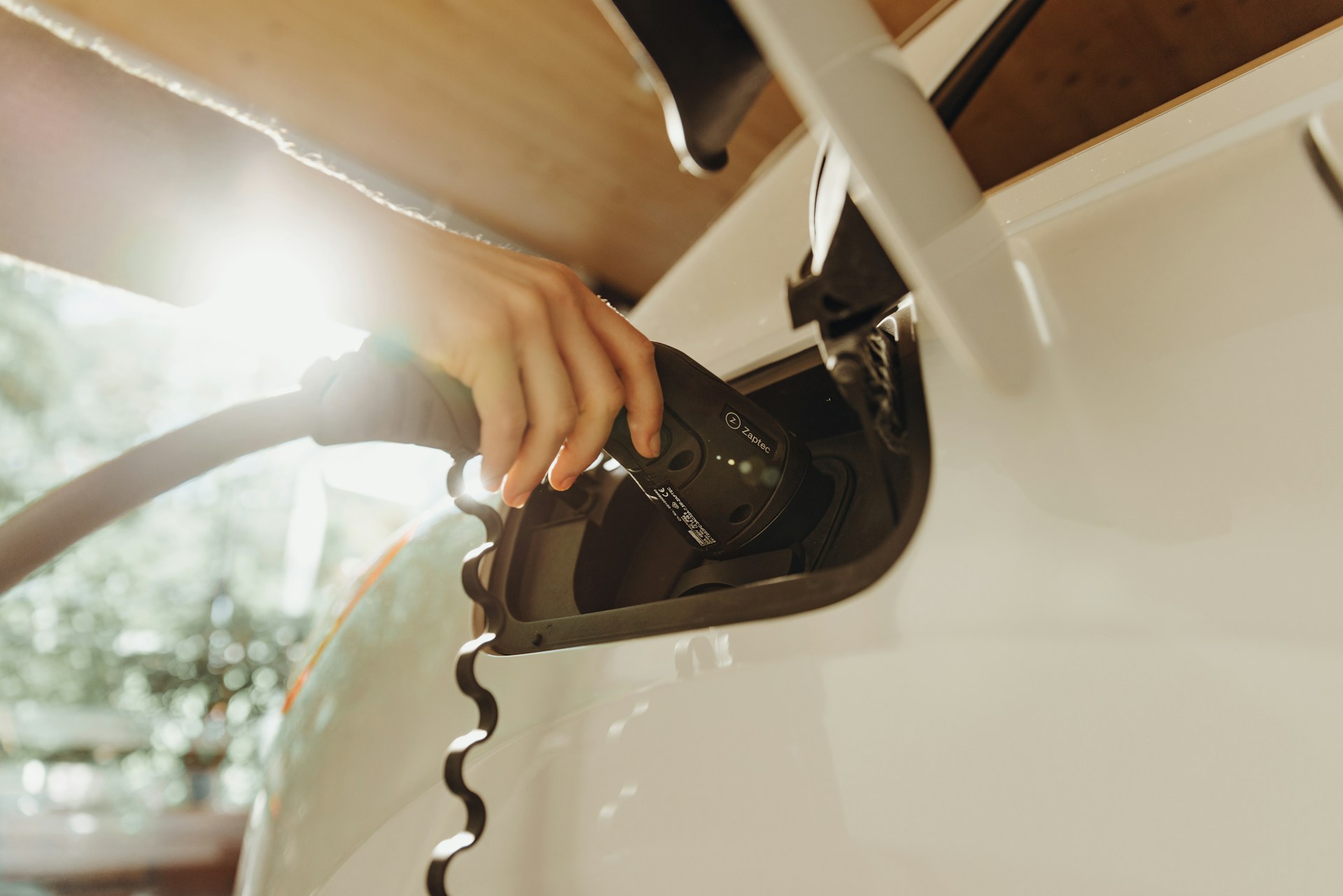
Used electric vehicles are showing up more and more across Texas roads, especially as more drivers look for ways to save on fuel and lower upkeep. But anyone who’s driven much in Texas knows that summer heat changes the game, and when it comes to EVs, those rising temps can wear down more than just patience.
Hot weather can affect battery life, driving range, overall performance, and the comfort inside the cabin. As we head into July and August, when the heat is steady and the roads shimmer all afternoon, it matters how ready your car is. Taking a little time now to prep your used EV for summer conditions can keep your drives safer and smoother.
Know What Heat Means for EV Batteries
Electric vehicle batteries do not always like the heat. That is especially true for older models or heavily used ones. When temperatures climb, batteries can lose efficiency faster and take longer to charge. Even fully functional EVs might see limited range or slower power responses during peak heat.
If your EV is pre-owned, it helps to understand how the battery might respond. Signs of heat-related stress can include:
- Sudden drops in range after sitting in the sun
- Slower charging at home or public stations
- Fan noise from the battery cooling system running more often
It is smart to have the battery examined by a technician before the thick of summer. We usually recommend checking the battery’s cooling system too. This setup helps control the temperature during long drives or charging sessions. If the fluid is low or the system is not working properly, the battery could overheat, reducing both lifespan and performance.
Make Cabin Comfort a Priority
Interior heat in a car parked under the Texas sun can climb fast. That makes a working HVAC system one of the most important pieces of summer prep. A used EV might still cool fine day to day, but when you are stuck in afternoon traffic or driving out toward Hill Country, even a weak air conditioning system can become a big problem.
To keep your cabin cooler and protect passengers from heat stress, check these things:
- Make sure the AC cools quickly and holds temperature during idle and highway driving
- Replace cabin filters if airflow seems low
- Look into window tints or heat-shielding shades to reduce interior temperature
- Check for any unusual smells or sounds when the AC is on full blast
A cool car makes every summer drive easier, whether you are going across town or hitting the road after work.
Protect the Electrical Components
EVs rely on more than just batteries. Summer heat does not just affect battery performance, it can be hard on the other systems too. Older EVs, especially, can have wear and tear on items that you do not always see right away.
Electrical components to pay attention to include:
- Charging ports and adapters, which can get extremely hot if used during peak daylight
- Wiring that might be cracked or dried over time
- Inverters and converters that can show signs of age under thermal stress
All these parts should be inspected regularly, particularly heading into July. Routine service can help spot these issues before they turn into malfunctions during a heavy driving day.
Charging Smart in the Summer
Hot weather does not just affect how you drive, it changes the best times and places to charge, too. If you are charging your EV in direct sun or during the hottest part of the day, both the vehicle and the equipment work harder than they need to.
Here are a few tips for safer and more efficient charging in summer:
- Charge during early morning or evening hours whenever possible
- Use shaded or ventilated garage spaces rather than outdoor chargers
- Always check cords and connectors for wear or overheating after use
- Never leave your car charging in full sun for long periods if avoidable
Small changes in timing and placement often make a big difference in how the vehicle handles heat-related stress.
Do Not Ignore Tire Health and Road Readiness
Tires often go overlooked, but they take the brunt of summer driving conditions. Pavement in Texas can reach scorching temperatures by midday. That can mean more wear, lower grip, and increased risk for tire issues, especially on used electric vehicles that have some miles on them.
Before summer is in full swing, we recommend:
- Checking tread depth and tire age regardless of how they appear from the outside
- Monitoring pressure more often since warm asphalt and extended driving can increase it fast
- Watching for uneven wear, which may suggest alignment or suspension issues from past use
Well-maintained tires help with efficiency and safety, particularly on those longer trips to coastal or hill country towns.
Drive Cooler and Smarter This Summer
Even with Texas heat at its highest, a few careful checks and habits can help your used electric vehicle run better through every drive. Whether you are commuting through Rosenberg, TX, or heading out of town for a weekend, it pays to go into the season prepared.
From battery health to tire traction, the systems on your EV work harder when the temperature rises. Give them a little attention now, and you will feel the difference when you hit the road during the hottest months of the year.
Wondering how your EV will perform during those long, hot Texas drives? Feeling confident behind the wheel is essential, especially when reliability matters most in the heat. Explore our current selection of used electric vehicles, each one thoroughly inspected and ready for the road. At Finnegan Chevrolet Buick GMC, we are here to help you stay on the move all year round. Call us today to get started.
Connect with us


- August 2026
- July 2026
- June 2026
- May 2026
- April 2026
- March 2026
- February 2026
- January 2026
- December 2025
- November 2025
- October 2025
- September 2025
- August 2025
- July 2025
- June 2025
- May 2025
- April 2025
- March 2025
- February 2025
- January 2025
- December 2024
- November 2024
- October 2024
- September 2024
- August 2024
- July 2024
- June 2024
- May 2024
- April 2024
- March 2024