





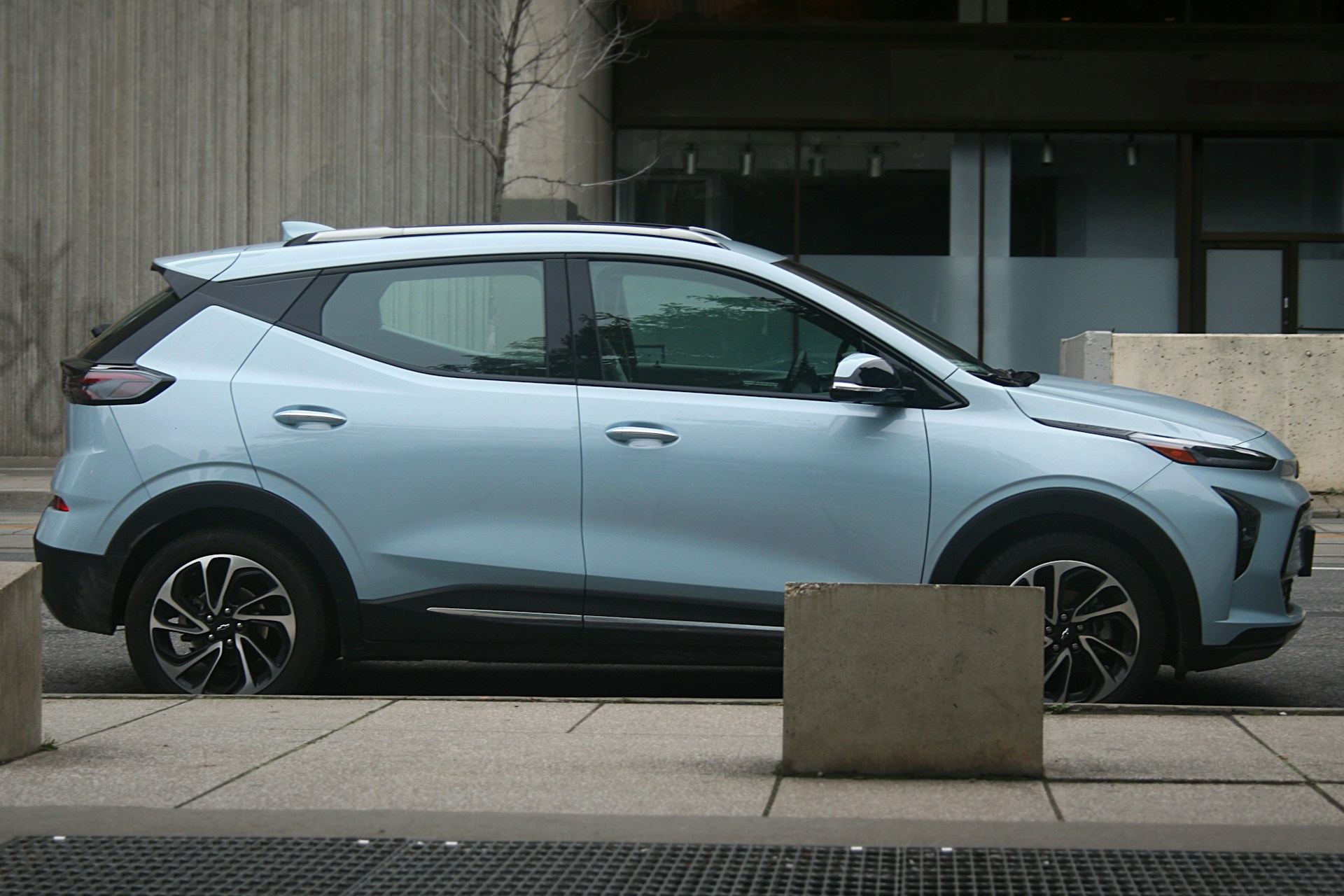
Buying a used electric vehicle means asking more than the usual questions. Things like battery condition and driving range can seriously affect your experience down the road. It can get overwhelming fast, especially with so many EV car options out there that look similar but perform very differently. If you’re looking to avoid stress later, asking the right questions early helps you make a smarter, more confident decision.
We’ve seen how quickly EV technology changes. That makes it even more important to understand what a specific car can handle day to day, through heat, traffic, and long drives. Whether you’re buying your first EV or just ready for something new, knowing what to ask helps make sure the car fits your life, not just your budget.
Ask About Battery Health and Charging History
The battery is the heart of any electric vehicle. Its condition can completely change how the car performs, how far it goes, and how often you’ll need to charge it. That’s why we always recommend asking detailed battery questions first.
- Ask if a battery health report or inspection is available
- Find out how often the previous owner charged the vehicle and to what percentage
- Ask if regular use of fast charging stations was part of the vehicle’s past
Frequent fast charging over time can wear down a battery faster, especially in hot places like Rosenberg, Texas. Even if the car looks great, the battery’s past habits can tell you a lot about its future. On top of that, some EV batteries may have been replaced or repaired. Ask if any major battery work was performed. Knowing if a full battery replacement happened can help you understand future costs and what to expect for remaining battery life.
Even the best maintained battery will lose a bit of capacity over time. Most batteries hold up well, but learning if the vehicle was stored in extreme heat or left at a low state of charge for long periods gives insight into potential battery wear.
Understand the Range and Driving Fit
A new EV may have had a long range listed, but that number can change over the years. The car’s age, driving habits, and climate all play a part in how many miles you actually get out of each charge.
- Ask how far the car drives on one charge now, not when it was brand new
- Think about your commute and whether the current range fits your daily routine
- Ask if the vehicle has driving modes that affect how the car handles or conserves energy
Some EVs change how they drive depending on whether they’re in eco mode or sport mode. Make sure you test those out during a drive so you know what to expect. If possible, try driving the car across a variety of routes to see how the range holds up in different conditions. This helps you plan for stops on longer road trips or days when your errands take more time than expected.
Certain models might offer a range estimator that adjusts on the go. Ask the dealer or owner to explain how it works and how accurate it’s been in real-world use, as this can be a useful indicator of the car’s daily functionality.
Ask What Maintenance Has Been Done
Used EVs need different upkeep than gas-powered vehicles, but that doesn’t mean they’re maintenance-free. Like any car, they still deal with tire wear, software updates, and brake repairs.
- Ask to see service history, including where and when work was done
- Find out if major parts like brakes or tires have been repaired or replaced
- Ask about scheduled service that might be coming up soon
A solid maintenance record gives you peace of mind. If there are gaps or repairs that haven’t been documented, it’s worth taking a closer look at what might be missing. Many EVs rely on software updates, so you’ll also want to know if all the latest updates have been completed. Ask if the car’s main control system and any navigation or safety features are current, as outdated software can affect both performance and convenience.
Wheel alignments, tire rotations, and brake service are just as important for EVs as for traditional vehicles. Ask how often these have been performed, since regenerative braking in EVs means brakes may last longer but should still be checked regularly.
Check Which EV Car Options Still Work or Are Covered
Technology plays a bigger role in EVs than in other vehicles. From touchscreen displays to regenerative braking systems, these features can impact your comfort and your driving experience.
- Ask if the car still has warranty coverage for the battery or parts
- Test features like one-pedal driving, automatic braking, or parking sensors to confirm they’re working
- Make sure items like charging cables, apps, or navigation tools are included with the sale
Some older models may have lost subscription-based services along the way. Knowing what still works and what’s missing helps avoid surprises when you get home. Ask if any advanced driver assistance systems or connectivity features, such as mobile apps for pre-conditioning or remote start, remain active and compatible with your phone. These details can change over time as manufacturers update their technology and support.
For vehicles with touchscreen controls, test out every menu option to be sure there’s no lag or glitches. It might also help to check if the navigation system still receives map updates or live traffic information. If you plan to rely on these, confirm their current status with the seller.
Ask If the Car Fits With Local Charging Availability
Before buying, it helps to think about where and how you’ll charge your EV. Not all electric vehicles use the same connector, and not every car handles charging in the same amount of time.
- Ask if the EV works with public stations near your home or commute routes
- Find out how long a regular charge takes using the most common options in your area
- If you’ve never owned an EV before, ask about installing a home charger and what you’d need
For drivers around Rosenberg, Texas, summer heat and travel distances can add up. Knowing whether your car can plug in locally or if you’ll need a special adapter matters more than you’d expect.
If you’re looking at a car with fast-charging capabilities, ask how that works and where DC fast chargers are actually available in your neighborhood or near frequent destinations. Charging speeds can vary significantly based on the car and charging station type. Take a minute to ask about the different types of charging the car supports (such as Level 1, Level 2, or DC fast charging), since this affects both the convenience and potential costs of ownership. If you’re used to a gas vehicle and new to EV ownership, clarifying the process before you buy helps avoid hassles down the road.
Drive Smarter With the Right Questions
Used electric vehicles have a lot to offer, but small details make a big difference. From how well a feature still works to how far a charge actually takes you, every question leads to a clearer picture of what you’ll be driving.
A test drive is only part of the process. If you want to be truly ready for the road, go home with solid answers about the car’s past and how it fits your day-to-day life. A little caution before signing can mean a lot more confidence once you’re on the road.
Being informed makes it easier to sort through many available choices and can save time and headaches later. Some drivers might place more value on comfort or software, while others want the longest range possible or the newest charging technology. The more you know, the better your match will be.
Ready to make an informed decision about your next electric vehicle? At Finnegan Chevrolet Buick GMC, we understand that choosing the right EV is crucial for both your lifestyle and your budget. Discover the best used EV cars with us, and let our expert team guide you through comparing options tailored to your needs. Visit us today and embark on your electrifying journey with confidence.
Connect with us


- August 2026
- July 2026
- June 2026
- May 2026
- April 2026
- March 2026
- February 2026
- January 2026
- December 2025
- November 2025
- October 2025
- September 2025
- August 2025
- July 2025
- June 2025
- May 2025
- April 2025
- March 2025
- February 2025
- January 2025
- December 2024
- November 2024
- October 2024
- September 2024
- August 2024
- July 2024
- June 2024
- May 2024
- April 2024
- March 2024