



Blog

All Rosenberg Buick Dealer Rosenberg Chevrolet Dealer Rosenberg Used Cars Chevrolet SUVs New Chevrolet Vehicles Rosenberg Buick Service Rosenberg GMC Dealer Rosenberg GMC Service
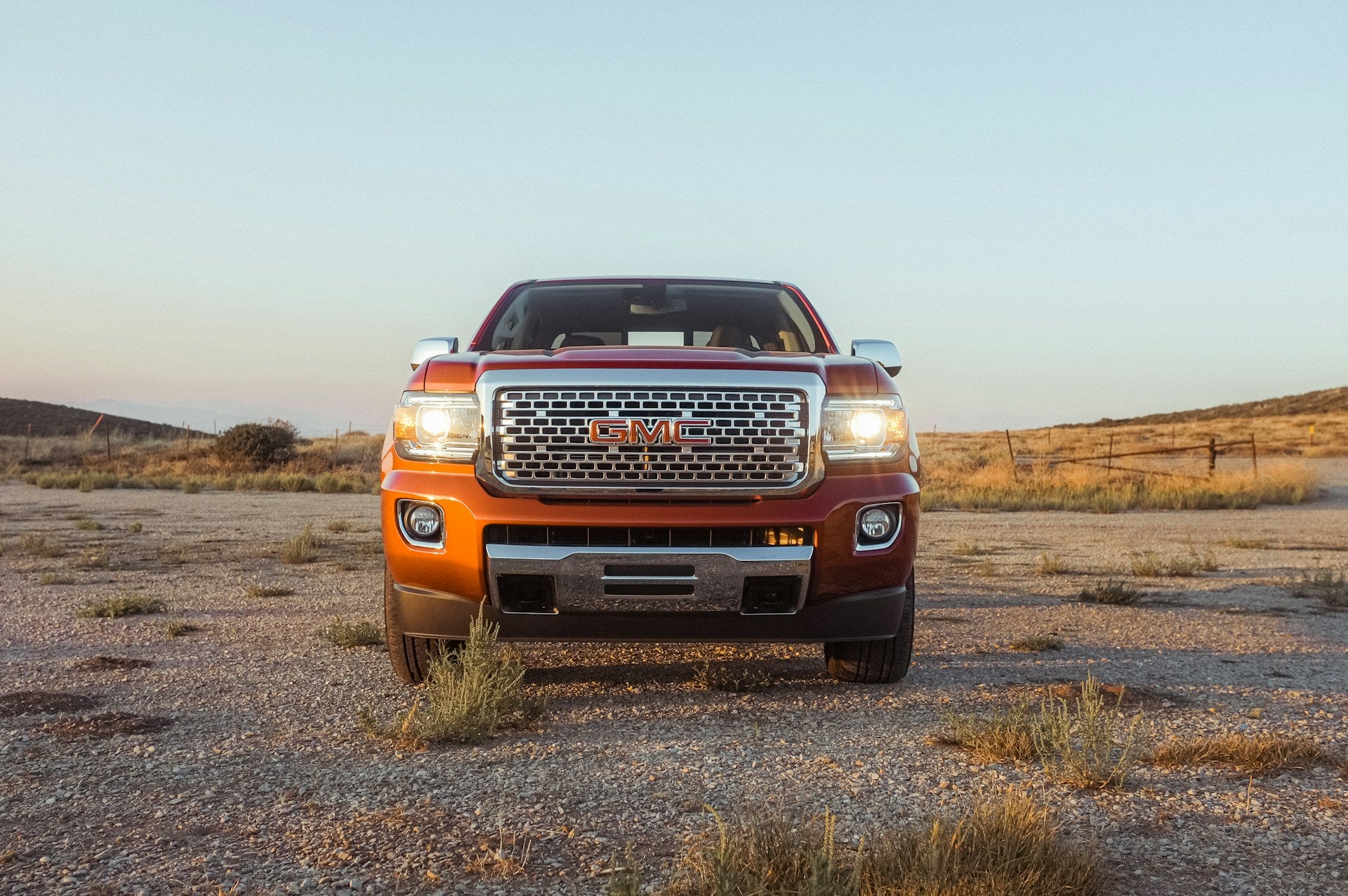
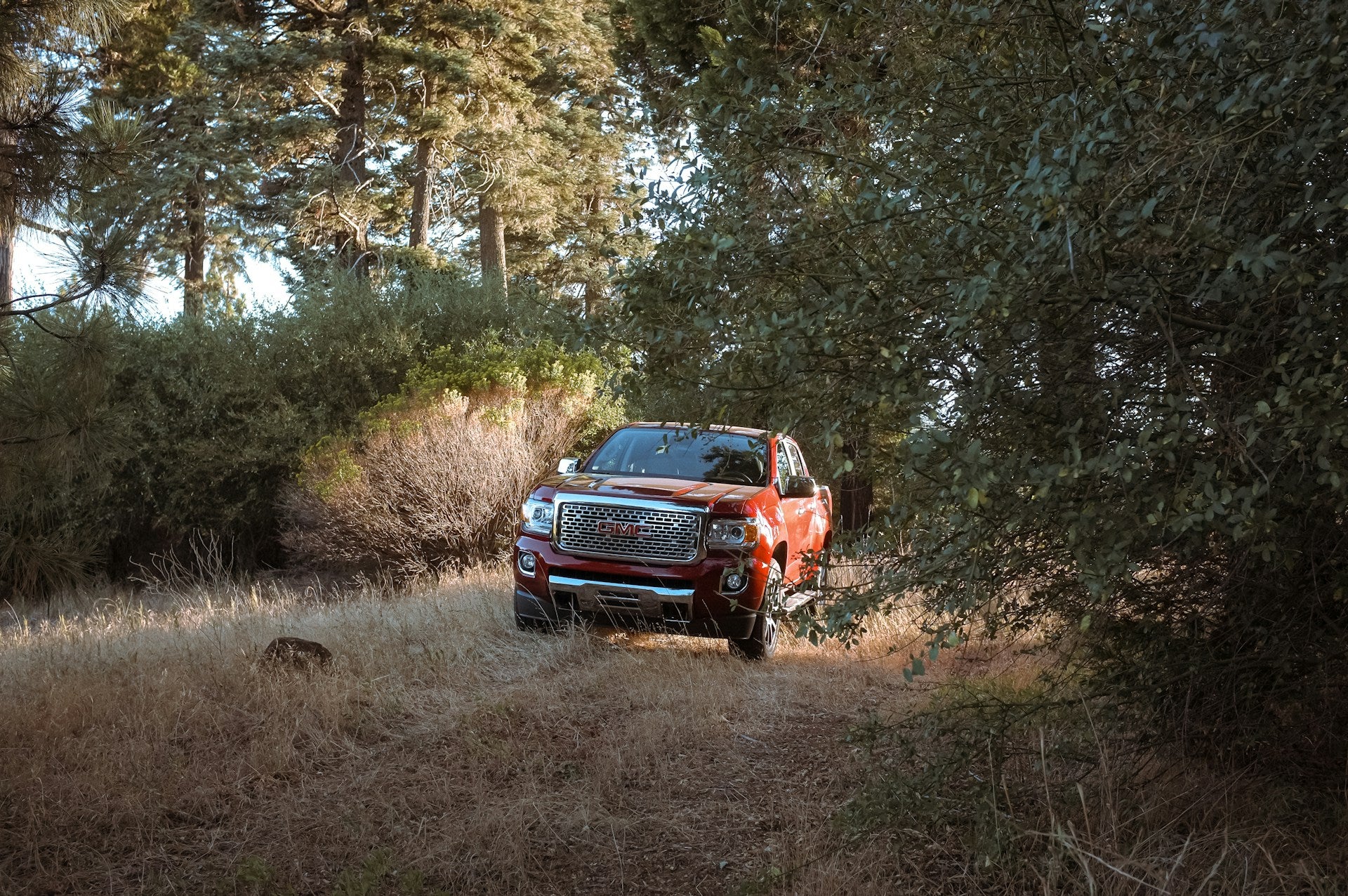
GMC truck

Top Things First-Time Truck Buyers Should Know for Texas Fall

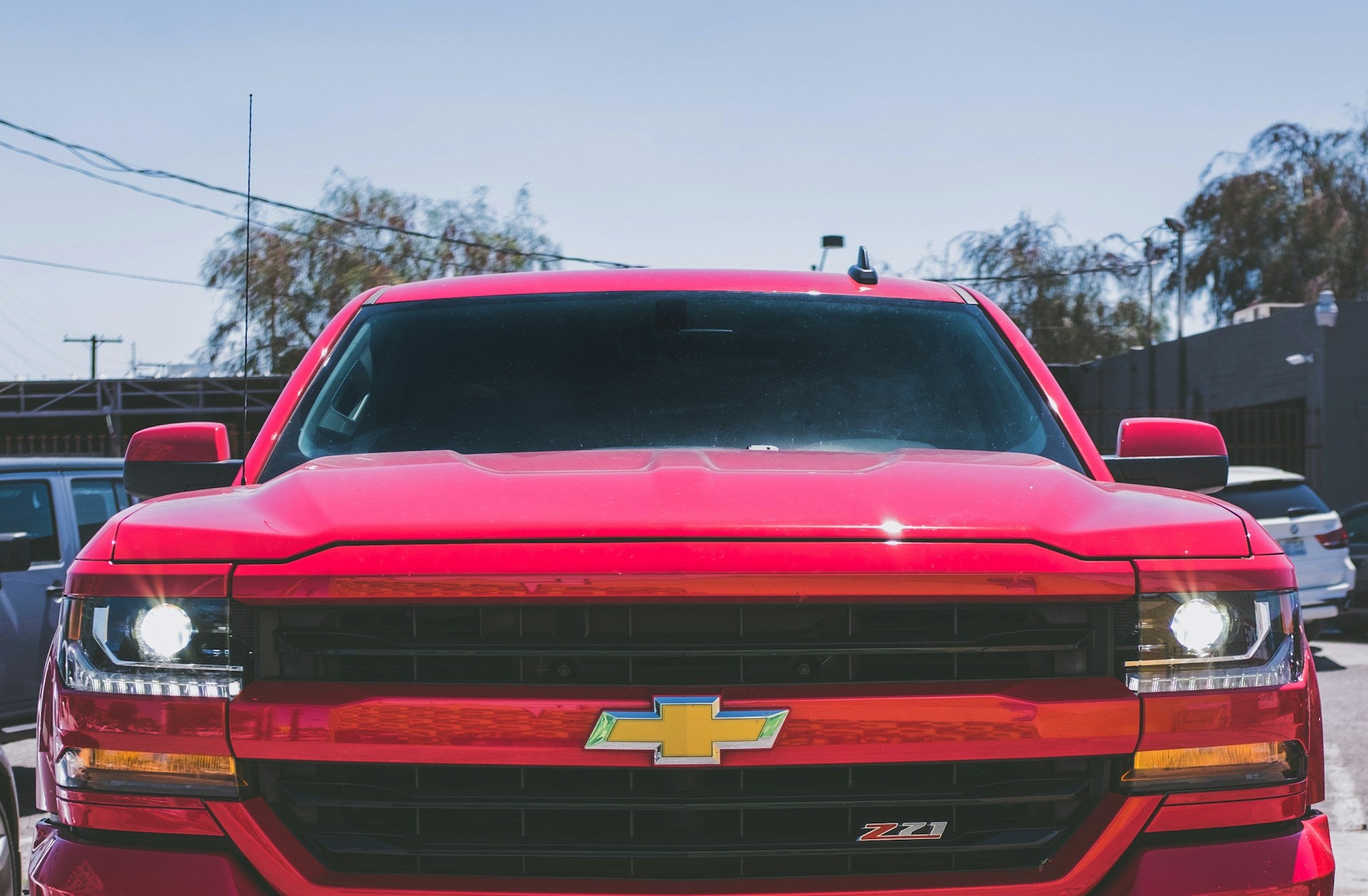
Buying a truck during fall in Texas comes with its own set of challenges, especially if you’ve never owned one before. Between cooler mornings and changing road conditions, it’s more than the model or color. First-time buyers should step back and think about what daily driving will look like once fall weather kicks in across places like Rosenberg, Texas. You will also want to come prepared with a short list of practical things, like comfort, test driving, and smart questions. Knowing the right questions to ask when buying a used truck in Texas helps you avoid extra repair costs and seasonal surprises later. How Texas Fall Conditions Affect Daily Truck Use Fall weather across Texas is not as dramatic as in colder states, but it still brings small shifts that show up fast when you’re in a truck every day. What feels fine on a warm afternoon might cause issues the next week when moisture or cold rolls in overnight. Cooler mornings call for trucks that warm up quick and have defrost features that work well. Wet roads increase braking distance, so tread depth and brake health stand out more clearly during test drives. Inconsistent fall weather can affect tire pressure, battery function, and headlights, especially if the vehicle sat unused for a season. If a used truck has not been maintained for these back and forth conditions, small problems can grow quickly. Look for signs like hesitation during a cold start or flickering interior lights when temperatures drop. One chilly morning can reveal issues with battery strength or electronic reliability that go unnoticed on warmer days. Comfort and Fit: Inside the Truck Matters More Than You Think A lot of first-time buyers focus on the body style or what’s under the hood. But if you’re spending long hours behind the wheel, it’s the inside that makes all the difference. Whether it’s a few short drives a week or a full day out hauling supplies, fit affects energy, focus, and comfort. Try out the seat shape and adjustability, some are built more stiffly than others. Think beyond the front seat. Extended cabs or crew versions help when fall plans include passengers or storage. Simple things like high-quality floor mats or mirror placement matter more when the weather leaves a mess. Fall also means more layers, gloves, and coffee cups, so space for cold-weather gear adds up faster than expected. Don’t overlook places to stash boots, hats, or extra jackets, which tend to get tossed into the cab this time of year. Key Functions First-Timers Should Try Out Before settling on a truck, make time to use the features that are not part of a typical drive around the block. You’ll want to feel how it handles everyday tasks you did not know to try the first time. This is where picking the right day for a test drive, especially in mixed weather, can reveal a lot. Test the tailgate’s ease and weight, especially if you plan on loading and unloading regularly. Use the backup camera and sensors to judge visibility when reversing into smaller parking spots. Feel out how the truck drives across both quiet roads and regular traffic, each surface matters when judging turning, lane changes, and ride comfort. New buyers often forget to try turning at tighter angles or parking near curbs, two quick ways to learn how a truck handles urban stops. Practicing tight parking moves can highlight sightline challenges that don’t show up on the open road. Questions That Help You Buy with Confidence Even a good-looking truck can hide trouble if you do not ask the seller or dealership the right things. A few conversations go further than a test drive, especially when seasons start to shift. Certain topics help reveal how the truck’s been used, and how it might age. A good starter is asking, “Has it been used locally or brought in from out of state?” Find out if the previous driver used it for towing, heavy loads, or off-roading. Double check when the battery was last tested, or if the tires have been rotated since summer. Always ask about alignment and whether the vehicle has been checked for fall and winter driving. Don’t hesitate to write down your concerns and bring them with you. Dealers expect serious buyers to be thorough, and a thoughtful list of questions makes it easier to compare trucks side by side. The more specific you are, the easier it is to skip over problems or spot a solid deal. Bringing a list of common questions to ask when buying a used truck in Texas gives you confidence on the lot. Make sure you cover maintenance history and ask for any recent repair receipts or vehicle inspection reports. Knowing What You Need Makes the Search Easier It helps to picture your actual routine when figuring out the right truck for your first buy. While almost all trucks can handle big jobs once in a while, not every model fits your daily setup. That’s where comfort, parking space, and function all come into play. Think about driveway space or how narrow your usual parking setups are. List out how often you’ll haul things, once a month is different than every week. If you travel light or only drive solo, saving space may matter more than engine power. Texas drivers use trucks for everything from ranch work to weekend camping. Figuring out that use early makes test drives and comparisons easier. Consider if you need a tonneau cover or extra tie-down points for cargo. A truck that’s too large can make daily errands more stressful, while a compact pickup could feel limited for heavy tasks. If you live in a neighborhood with limited parking, measuring your usual spots helps rule out oversized models that create headaches every time you come home. Fall Drives Lead to Smarter Decisions Autumn in Texas gives drivers a unique chance to feel how a truck responds to conditions that change weekly. Not every day brings cold winds or wet roads, but when they do, you’ll want the truck you choose to be predictable and smooth. Buying in fall often puts new truck owners on better footing for what’s ahead, especially in areas like Rosenberg where climate swings can add wear you didn’t expect. Take this opportunity to notice small differences in road noise, steering feel, or windshield visibility as weather changes. The earlier you test drive, ask questions, and match features to your habits, the less guessing you’ll have to do as winter approaches. We’ve seen many times how being honest about what you need, from parking to features, leads to fewer regrets and more confidence. It’s not just about buying a truck, it’s about finding the right one. That starts now. Ready to find the perfect truck for your Texas fall adventures? Let Finnegan Chevrolet Buick GMC help you explore a range of reliable options that fit your lifestyle. Our expert team is here to guide you through every step of the buying process, ensuring you have all the answers to make an informed decision. Discover how you can drive off with confidence by exploring the Texas best trucks for your needs today.

Chevy

What Makes a Used Chevy Stand Out During Fall Test Drives

Fall tends to bring out a different side of driving, especially in areas like Rosenberg, TX, where seasons shift just enough to change how the road feels. It’s not about freezing temps or snow tires here. It’s about cool mornings, shorter days, and damp roads that test a vehicle’s real comfort and control. That’s one reason fall can be a helpful time to take a closer look at used Chevy cars. From how quickly the heater kicks in to how tires grip after a light drizzle, test driving in October gives you a chance to notice things that often stay hidden when the weather’s dry and warm. Whether you’re checking out a pickup, SUV, or compact, how the vehicle adjusts to these seasonal details can say a lot about its condition and fit for daily life. First Impressions: What Fall Driving Reveals Fast The first few minutes of a fall test drive can reveal more than expected. Light fog on the roads, moisture on the pavement, and leaves gathered near curbs all affect how vehicles perform in real time. Tires often feel different on cool, damp streets, making tread condition and brake response more noticeable. Stopping distance can stretch a bit during early morning drives, especially where road grit or wet leaves are present. Steering tends to feel tighter or looser depending on how the vehicle handles dips, potholes, or scattered debris. Paying attention to how a used vehicle responds under these conditions lets us see how well it has held up over time. There’s value in noticing how the brakes feel just slightly different or how the wheel reacts to rapid lane changes. These small things reflect big things about performance and reliability. Cabin Comfort and Interior Upkeep in Cooler Weather As soon as you slide into the driver’s seat during a fall test drive, the cabin starts sharing clues. On cooler mornings, it takes just a few seconds to spot what materials are holding up and which features help daily life feel smoother. Seat warmth, material texture, and basic layout matter more when the chill hits first thing in the morning. Muddy or leaf-covered shoes can quickly wear down fabric, so floor conditions say a lot about how the inside was treated. Storage areas get more use this time of year for layers, hats, and travel gear, so make sure everything opens, closes, and fits right. It’s not always about the newest extras. Sometimes, well-kept basics make a bigger difference. A cabin that feels warm fast and stays clean with less effort goes a long way toward making fall months a bit easier on the driver and their passengers. Visibility and Lighting on Shorter Days Fall doesn’t just cool things off; it cuts down the daylight, too. That’s when good visibility features start standing out or falling short. We’ve seen how test drives between late afternoon and early evening show what a vehicle’s lighting and visibility systems are really doing. Headlights should switch on smoothly and light up the road without overshooting the lines. Windshield wipers should clear water and leaves without streaks or skipping. Rear and side mirror visibility is easier to test when fog or dew gathers early in the day. If a car struggles with foggy glass, dull lights, or squeaky wipers, that’ll show up fast during a fall ride. Driving becomes safer and more pleasant when those elements work together without needing constant adjustment. How Performance Checks Out on a Fall Test Drive Cooler temperatures give the engine and other systems a different baseline. That means the mechanical parts tend to show their age more clearly during morning drives or when roads aren’t perfectly dry. Cold starts show how the battery and engine come to life and how smoothly they idle afterwards. Slow-speed turns and stops feel different with stiff transmissions, especially when warming up. Noises inside the cabin often come out on bumpy or quiet roads, which are common around Rosenberg this time of year. With used Chevy cars, conditions like these help reveal whether a vehicle still runs the way it should. What may seem like a small hiccup on a warm day could turn into a recurring hassle when the chill sets in, or the schedule gets tighter heading into the holidays. Ride Quality That Matches Autumn Roads Fall brings softer roads, more patchwork on the pavement, and enough backroad driving that how a car rides becomes one of the top clues in a test drive. Suspension and balance either show up as steady and smooth or jumpy and uneven. Look for consistent ride comfort across freshly patched roads, worn lanes, and sloped driveways. Feel how the wheels catch and flex when moving through bends with damp leaves or loose gravel. Test settings like traction control or available drive modes to see how they impact real-world feel. Even simple routes show what the vehicle's frame and steering are handling underneath. Light rumbles, bounces, or sideways drift can all appear clearer when fall surface changes interfere with balance. If something feels off, this season will make it more obvious. Why Fall is the Right Time to Notice the Details Cool-weather test drives make it easier to feel the small things. These aren’t details you typically notice on a sunny afternoon. We’ve had many drivers say they wouldn’t have picked up on heater lag, wiper streaks, or slow defrosters if they hadn’t taken a test drive during fall. Used Chevy cars tend to show their best side when the season reveals what’s under the surface. Whether that’s a smooth cold start, a better grip on slick roads, or just a solid cabin setup that handles jackets and boots without clutter, fall makes it clear what works and what doesn’t. For us, those are the things that matter when a car transitions from old to new in someone else's driveway. Experience for yourself what fall test drives can reveal about the quality and comfort of a vehicle. At Finnegan Chevrolet Buick GMC, we understand the importance of finding a car that performs well in all conditions, especially during the cooler months. Explore our selection of used cars in Rosenberg to find one that suits your needs as the temperatures shift. Discover the perfect combination of reliability and value today.

GMC

How GMC Service Checks Differ From Basic Vehicle Maintenance

Regular maintenance keeps most cars running, but GMC service checks take things a step further. They go beyond a basic oil change or tire rotation. For GMC truck and SUV drivers, these checks focus on parts and systems that wear differently based on how the vehicle is used. Whether you’re towing heavy loads, using your ride for daily commutes, or prepping for weekend trips, service needs change. We see this especially true during fall in Rosenberg, Texas, when drivers are adjusting to cooler mornings plus new demands on brakes, tires, and heating systems. Getting the right kind of GMC service in Rosenberg, TX, helps clear any issues that might be hiding under the surface. Why Regular Maintenance Isn’t Always Enough Basic maintenance usually includes quick fixes that most people are familiar with. Things like: Oil and filter changes Tire pressure checks and rotation Air filter replacements Fluid top-offs These are things you’ll find on just about any vehicle’s schedule. But the catch is that they apply to all vehicles, not just yours. Basic maintenance doesn’t take into account the size of your vehicle, your towing load, traffic heat, or how often you use off-road features. That’s where many trucks and larger vehicles fall short when only using routine care. Here in Texas, driving conditions work your vehicle harder than most people realize. Long stretches of highway, mixed with city traffic and climate swings, push your systems more than a basic service plan can keep up with. If you’re using a work truck, a family SUV, or a weekend off-roader, your schedule likely needs more than what a standard service visit provides. What Makes a GMC Service Check Different GMC service checks go beyond what’s on a general checklist. They’re made for how our vehicles are built and how people use them. Factory-trained inspections that focus on common wear points on our most-used models Specific diagnostics for suspensions, transmissions, and drive recalls Evaluation of electronic components, especially on newer models with advanced settings Instead of just inspecting fluids or measuring tire treads, these service checks look at how your whole system is working together. For example, if you’ve been hauling more often or using terrain modes on certain roads, those features show wear that regular maintenance doesn’t always address. These checks also make room for flexibility based on your driving pattern. Whether you have a full-sized SUV meant for long trips or a mid-size pickup used for local traffic, the type of wear you see varies. A GMC-trained service sees that before trouble starts. Seasonal Considerations in Rosenberg, TX By mid-October, we start seeing temperatures cool off in Rosenberg, which usually means people drive a little differently. That shift brings up parts of your vehicle you haven’t needed much during the summer but need to count on now. Brake systems need a check before slower, cooler roads create extra drag Tires may need rotation or replacement before local rain or wind hits Cooling and heating systems get tested as temperatures swing from morning chill to warm afternoons Engine prep tasks like belt checks and battery testing become more important as your vehicle gets ready for holiday travel With a GMC-specific service, we look over parts that respond to seasonal change. That added layer of inspection means fixing smaller issues before they impact your safety or comfort. Fall creates more wear on certain systems, especially around Rosenberg’s mix of wide roads and local traffic. So getting ahead of it gives a better chance to move through fall and winter without vehicle trouble. Benefits of Model-Specific Care for GMC Drivers Having a GMC vehicle means carrying more weight, more power, and often more features than a typical car. Whether you drive a Yukon, Sierra, or Terrain, you need checks that align with how your specific vehicle functions under different uses. Model-based checks spot early issues with towing equipment, 4WD systems, or climate settings Engine configurations affect wear patterns, especially under heavy strain or long-distance driving Custom electronics need guidance from software updates or inspection know-how trained for GMC layouts We’ve also seen how driving habits change based on your model. For example, if your Yukon is used for weekday carpools and weekend boat hauls, it needs a totally different check schedule than someone who drives a Canyon only on highways. That’s where having access to professional GMC service in Rosenberg, TX makes all the difference. It closes the gap between general support and meaningful attention to detail. Drivers feel more confident when their service knows what every part is doing. When to Skip Basic Maintenance and Book a Full GMC Check Sometimes, what your vehicle needs isn’t just another oil top-off or filter replacement. There are signs when a deeper inspection gives you a clearer picture of how your vehicle’s holding up. When you hear new noises or notice slower acceleration When dashboard lights flicker or stay on longer than they used to When your gas mileage starts dropping, or you feel a lag in responsiveness At the change of seasons or after 10,000 miles of full-use driving Fall is a smart time for a full check because it lands right before holidays begin and before winter lows arrive. If your vehicle had a heavy summer of hauling or road tripping, it's worth letting trained techs look beyond what’s on a basic service checklist. Keep Your Truck or SUV Ready for What’s Next Heading into late fall, small problems that were easy to ignore in warmer weather start becoming harder to push aside. That’s why going beyond standard maintenance helps drivers stay prepared before trouble starts snowballing. A GMC-specific check clears up hidden issues and tunes each part of your truck or SUV based on how it’s really used. You get better clarity on what your vehicle needs now, plus a smoother drive through fall and into the cooler months ahead. More than anything, model-based service helps drivers feel like they’re not guessing. When you know your vehicle’s condition, your plans feel more solid. Whether you’re driving around Rosenberg or heading out for long trips, that extra attention puts you in a better spot to handle whatever’s next. If you're ready to ensure your GMC is prepared for the changing seasons, trust the experts who know your vehicle best. Schedule your GMC service in Rosenberg, TX, with Finnegan Chevrolet Buick GMC today. Our dedicated team provides comprehensive checks that go beyond standard maintenance, offering peace of mind for whatever lies ahead. Make an appointment now and drive into fall with confidence.

Chevrolet

Common Weather Concerns for Chevy Trucks Around Late Fall

Late fall shows up fast across Texas, and with it comes unpredictable weather. We start seeing cooler mornings, wet afternoons, and some real shifts in how our Chevy trucks behave on the road. For anyone living around Rosenberg, TX, that means getting ready for cold rain, muddy roads, and the need to warm up your truck before the sun rises. It’s also the season when a lot of people are checking out Chevy truck deals, hoping to score a solid pickup before winter takes over. Whether you're using your truck for work, hauling gear, or just need something reliable through seasonal changes, knowing what fall conditions can throw your way helps keep things running smoothly. Temperature Swings and Cold Morning Starts Even without snow, chilly fall mornings bring some noticeable differences for truck owners. As temperatures drop overnight, batteries can lose strength, and engines might take longer to turn over. This makes paying attention to how your truck responds to cooler weather essential. Some mornings feel colder than others, and even if your truck started up easily a week ago, a round of cold, damp air could show a different side. Cooler mornings make battery issues more common, especially for trucks that are a few years old Expect longer engine start times if the truck hasn’t been used in a couple of days. Heating systems should be checked, including the defrosters and cabin warm-up settings. We’ve seen how cold mornings in Rosenberg can leave windshields foggy or make interiors uncomfortably cold during early commutes. If your defrost isn’t clearing the glass fast enough or the heater feels slow to kick in, it might be worth a quick inspection before colder days hit harder. Fall isn’t about dramatic freezes here, but enough of a drop can throw off daily routines if the truck isn’t tuned up. Regular warm-ups also help your engine stay healthy over the season, making every start less stressful and more reliable. Wet Roads, Muddy Worksites, and Traction Challenges After a dry stretch through summer, the return of rain in late fall changes road conditions quickly. For those hauling or working on rough terrain, this is when confidence in your truck’s tires and controls matters most. Sudden rain can turn familiar roads slick, and what was firm ground yesterday might be a mess of mud and puddles now. Damp pavement increases braking distances, even more so on older or low-tread tires. Slippery job sites need 4WD or at least traction control kicked in. Muddy driveways or fields demand better tire grip and ground clearance. We get a mix of paved and unpaved roads in areas outside Rosenberg, and wet clay or churned-up earth can bog down a pickup real fast if it’s not equipped for it. It’s not always about having the biggest truck. Sometimes it’s just tread depth and reaction time. Keeping tires in good shape and understanding how traction settings work makes a big difference on uncertain surfaces. Set your truck up in advance for changing conditions, and you’ll feel safer on morning commutes or when out late finishing a big job. If you regularly travel between paved roads and muddy sites, consider brushing off mud or loose debris from your tires before heading back on the highway. Wet dirt stuck on treads can reduce grip and make handling feel loose even on dry pavement. A quick check at a gas station or with a boot scraper can keep your drive stable, no matter what surface you’re on. Cabin Comfort and Interior Protection During Fall With kids, equipment, and constant in-and-outs, the fall season tends to bring a mess inside the truck. Wet shoes track in leaves, mud, and sand. Even careful drivers wind up with grime on floorboards and wear on seat edges. Sometimes autumn sunlight brings glare onto the dashboard or makes certain stains and scratches more obvious. Easy-to-clean floor liners save time during weekly wipe downs. Removable seat covers protect upholstery from fall debris. Under-seat storage keeps everyday items dry and out of the way. We like trucks that make cleanup simple. Whether it’s a quick rinse of the floor or tossing muddy boots into a weatherproof bin behind the seat, small features around the interior go a long way. Electronics and cabin materials can act up with swings between chilly mornings and warm afternoons, so keeping the cab clean and temperature stable helps reduce wear without putting in much effort. If your truck sits outside overnight, get into the habit of checking seat surfaces and steering wheels for cold dampness or condensation before you drive. Simple habits like using sunshades or old towels when parked can prevent extra cleanup, especially when the weather turns unpredictable. And storing cleaning wipes in the glove box will make quick work of random spills or muddy hands, keeping your interior looking fresh throughout the fall. Pre-Holiday Hauling and Gear Management Around late fall, weekends start filling up fast. People are moving tools between job sites, hauling outdoor furniture for storage, or getting a head start on holiday shopping. That means the bed of the truck sees more action, even during shorter daylight hours. Days seem to fly by, and it often feels like you’re always loading, unloading, or reorganizing to make room for one more item. Bed liners keep the truck protected from dings, mud, and friction. Cargo hooks and tie-downs help keep odd-sized loads secure. Tailgate steps are great for older drivers or heavier gear. Bed lighting makes evening hauls less frustrating under low light. This time of year, most of us are cramming in one last home project or trip to the ranch. Features built for hauling start getting more use, and knowing your truck is up for the job matters when daylight is gone by six. Some people begin looking for Chevy truck deals around now because they want these extras as standard, not something they have to add later. If you haven’t used your cargo tie-downs in a while, take a second to check for rust or sticking. Late fall humidity can cause metal parts to stiffen up or stick unexpectedly. Keeping them clean and greased makes sure your next load is tied down safely, no matter the weather. Tossing a flashlight in your truck bed or cab also helps with organizing when the natural light fades early. Let Fall Work for You, Not Against You Fall's shift in pace and weather can slow things down, unless your truck’s keeping up. A little planning gives back that control. Taking care of basics like tire checks, heater settings, and bed prep can make the season less of a hassle. We’ve worked with drivers all over Texas, and we know that fall isn’t a slow season. It’s the in-between where summer winds down, and winter waits around the corner. Whether you’re out early hauling gear, spending weekends cleaning up the land, or prepping for your holiday runs, the right Chevy truck keeps it all rolling without flinching at a little cold or mud. Make the most of the season by checking your truck weekly, picking up simple solutions for messy days, and staying alert to the early sunsets. With a little effort, these late fall weeks become an opportunity to sharpen your driving and hauling skills for the months ahead. At Finnegan Chevrolet Buick GMC, we offer a selection of new Chevy trucks in Rosenberg designed to handle the unpredictable weather and enhance your driving experience. Discover the comfort, control, and advanced features these trucks provide and find the perfect match for your needs this season. Visit us today for the best choices and drive confidently into winter.

EV Charging

Everything to Know About EV Charging Options Around Rosenberg

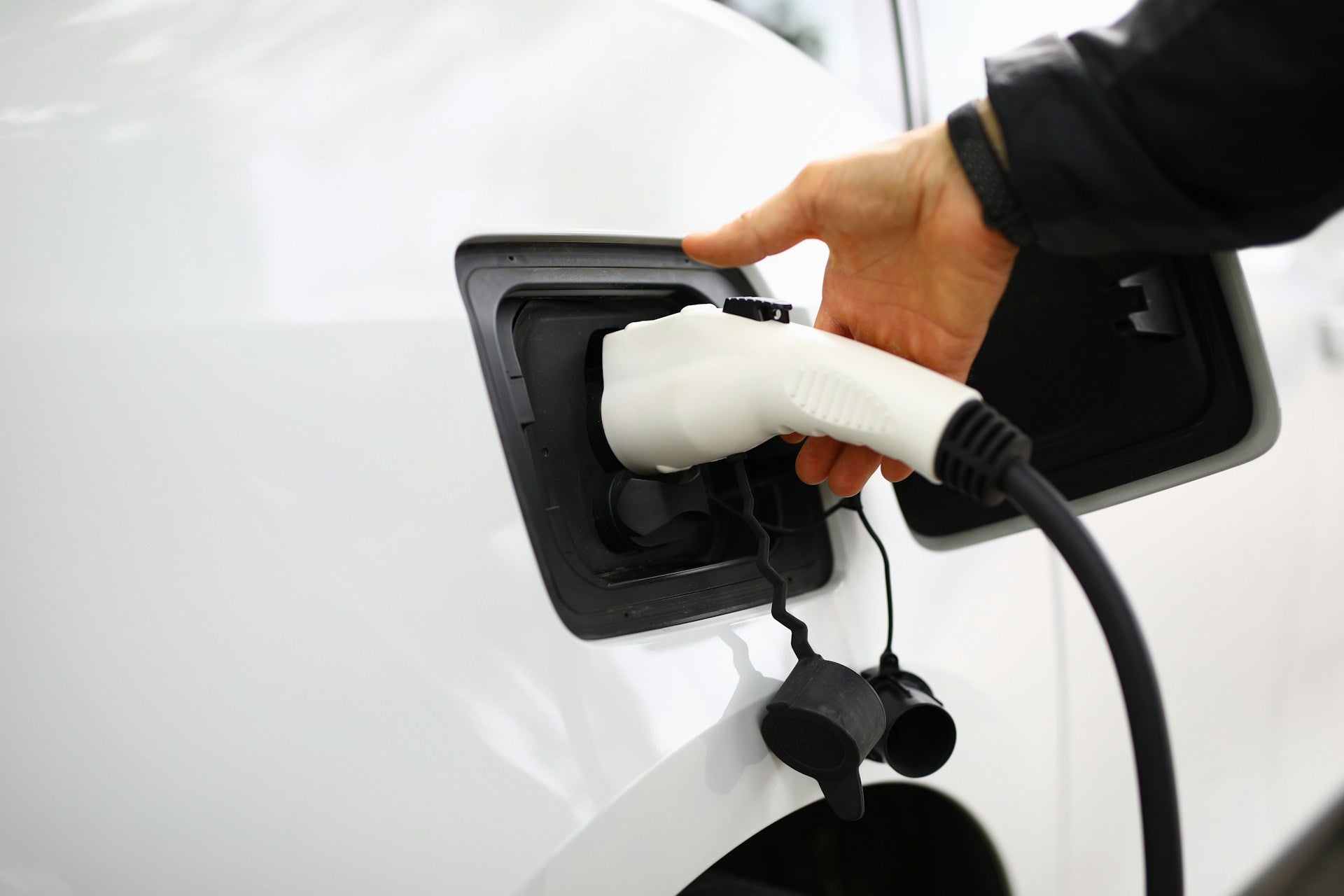
As cooler days start settling in around Rosenberg, many drivers are thinking about switching to an electric vehicle or figuring out how charging fits into their routine. Picking from different EV car options is more than just about the model or price. It helps to understand where and how charging can fit into your daily stops, from your driveway to the grocery store parking lot. Getting familiar with the local setup makes it easier to decide what fits your life. Whether you’re already driving electric or just thinking about it, we’re laying out what to expect from EV charging in the Rosenberg area. Types of Charging Stations You’ll Find Around Rosenberg Most EV drivers come across three kinds of chargers: Level 1, Level 2, and DC Fast Charging. The difference usually comes down to speed and where you find them. Level 1 charging is the slowest. It works through a standard wall outlet and is mostly used at home when there's no hurry. Level 2 charging is more common in public places and homes with charging stations installed. It gives a much faster charge than Level 1. DC Fast Charging is found at select public stations and powers up most vehicles quickly, though it’s not usually something you'd use daily. Public charging stations are scattered throughout the city, while private ones tend to be at offices and homes. Knowing which type you'll use most can help you prep for how it will blend into your schedule. If you rely on overnight charging at home, speed may not matter as much. But for someone using their EV for heavy driving during the week, access to quicker charge times can keep things moving without long stops. Sometimes, you might use a mix of several types based on traffic patterns and your daily schedule, and it’s helpful to know that options exist throughout Rosenberg to fit every need. Where to Charge Locally: Convenient Spots for Everyday Use Around Rosenberg, you’ll find charging stations attached to places people already go during the week. These aren’t hard to spot once you know where to look. Shopping centers and large stores are starting to add EV charging stations in their parking lots. City-owned areas like public lots and recreational centers are putting chargers near entrances to make short visits easier. A handful of newer apartment and office buildings offer private charging stations for residents or workers. Mobile apps make it easier to track down stations nearby, showing whether a spot is open or in use. That matters when you’re running errands and don’t want to wait. More businesses are starting to add chargers, too, knowing that people will stay longer when they can charge while browsing or eating. Even with public options, drivers in Rosenberg find that their routines naturally shift over time, as they learn where they like to stop and charge based on their habits and favorite stores. With a bit of planning, it’s simple to combine your normal schedule with a few routine charging stops that don’t slow you down. Charging at Home: Setting Up a Routine That Works Home charging is what keeps EV ownership simple for a lot of people. Once you figure out what setup you want, it becomes part of the daily routine. Level 1 charging through a standard outlet is an option if your daily mileage is low or if you're only topping off overnight. A Level 2 charger takes some installation work but gives a faster charge and can be easier to manage long term. Most chargers do best in a garage or a driveway since weather and access to your power panel matter. Homeowners in Rosenberg should think about their panel size, layout, and how they park. Charging overnight during cooler fall months can help with energy spread and limit stress on your power bill. Picking the place that fits your space and habits can make things feel less hectic as you settle into the EV rhythm. Some households choose to schedule their charging to align with lower energy rates, which is another way to save some money and reduce stress on the local power grid. If you switch between two vehicles, having the right charging cable setup makes things run smoother and keeps everyone’s car ready for daily use. EV Driving Habits That Keep Charging Simple Staying flexible is part of making the switch feel less stressful. Charging doesn't happen the same way for everyone, but there are a few habits that help. If you're planning a longer drive outside Rosenberg, mapping out available charging spots along your route keeps things moving. Fall weather is easier on batteries than Texas summers, but early mornings and cooler evenings can still affect range, so it's good to learn what your car handles best. Not all EVs are the same when it comes to range or charge ports. Thinking about your parking situation, whether you street-park or use a garage, can help narrow down the EV car options that will fit into your lifestyle best. Choices get simpler when you build around your own habits instead of trying to match what other people do. Setting timers, topping off after work, or syncing your home charging to lower-cost energy hours are a few ways drivers make it all work. As you figure out the daily details, you’ll start to notice which times work best for your home charging routine and which stations in Rosenberg are the most reliable during your errands. What to Expect as EV Use Grows in Rosenberg As more drivers move into electric vehicles, Rosenberg is beginning to adjust. Charging needs aren't just for early adopters anymore. Being part of this shift means things may feel different depending on where you drive most. But even small changes, like new parking setups or updated signage, can help more people get used to seeing charging as part of normal life in Texas. As charging stations become a more regular sight around town, it often gets easier to plan your week and keep your car ready for whatever comes next. Community resources like local EV owner groups are also popping up, making it easier to find practical tips and neighborhood charging locations. Ready to embrace the electric lifestyle with the best used EV cars in Rosenberg, TX? At Finnegan Chevrolet Buick GMC, we're here to make your transition effortless with our extensive range of EV car options designed to suit your lifestyle, whether you're commuting in town or embarking on longer journeys. Explore the possibilities and find the perfect vehicle that meets your needs and preferences. Visit our showroom today and let us help you navigate the exciting world of electric vehicles with confidence and ease.

Car Buying

Why Some Car Buying Options Are Easier Than Others in Texas

By the time September rolls around in Texas, many people are thinking past the summer heat and starting to plan for fall trips, sports schedules, and early holiday talks. That shift often brings one question to the surface: Is now the right time to replace or upgrade your car? The good news is, some car buying options really are easier than others, especially when a few key things are working in your favor. We have noticed that location, season, and even how much stress someone is under can all play a role in how smooth or frustrating buying a car feels. Whether you are looking for something newer or just tired of repairs, knowing what to expect can keep things from feeling too overwhelming. Timing Matters More Than You Think In Rosenberg, Texas, fall brings more than cooler evenings. It brings space to think. Traffic feels slightly less intense than mid-summer, school schedules settle in, and people are not quite racing against the clock the way they are in December. That calmer pace makes test drives easier to schedule and leaves room to think clearly before making a decision. Dealers also tend to have better availability around this time, so you do not feel rushed or like there is a line behind you. Fall often means less waiting for appointments, fewer weather delays, and generally a more relaxed shopping pace. If you are planning to hit the road later in the year for the holidays, it helps to make vehicle decisions early while options are still wide open. Late September is sometimes the sweet spot before the bulk of holiday shopping kicks in. Buying a car does not need to feel like a sprint. When the season supports a steady flow, it changes the whole experience. Slowing things down can reveal important details about vehicles you might not spot during a rushed summer day or a busy winter weekend. You may find more daylight for inspections and less pressure from other buyers competing for your attention. With fall’s lighter schedules, you can set appointments at your preferred pace rather than squeezing visits into busy summer calendars. Knowing What You Want Speeds Things Up A big part of why some car buying options feel smoother is preparation. We have seen how much quicker the process moves when someone walks in knowing what would help their daily life the most. That does not mean having a model picked out, but it does help to know what matters most on the road. Those who drive long distances every day often look for fuel efficiency and reliable mileage. Bigger families might lean toward space, extra seating, or better rear visibility. Others may prioritize tech features or newer safety setups depending on where and how they drive. New cars offer that fresh, factory feel, while used and certified pre-owned vehicles make sense for those who want affordability without giving up comfort. Matching a vehicle to your routine, not your wishlist, is often what keeps the buying process clear and frustration-free. If you frequently drive through city traffic, a vehicle with strong AC and convenient tech features may rise to the top of your must-have list. For those driving backroads or making long commutes each week, ride quality and dependable mileage may come first. The key is identifying your main needs before arriving at the dealership, which ensures your time is spent wisely and leads to a more satisfying choice. Support Makes All the Difference No matter how organized we try to be, buying a vehicle usually brings a few questions. That is why the kind of help someone gets can either calm nerves or add to them. What we have seen is this: talking things through early makes a big difference. Whether it is asking about trade-in values or checking if financing fits into your plans, a simple conversation can save hours later. When people are honest about their timeline or concerns, it allows staff to tailor the process (rather than rushing through it or guessing at priorities). Buyers who set up a few key questions or decisions ahead of time tend to make choices they do not second-guess later. A little clarity up front creates a smoother experience, and staying informed prevents last-minute pressure from creeping in. Dealers in Rosenberg, Texas, understand that taking the time to answer your questions helps everyone move forward with confidence. When you discuss your needs up front, staff can present cars and features that match your real priorities. This kind of support streamlines your search, so that when it is time to decide, you are fully aware of your options and the process feels organized. Used Car Sales Fit Many Life Stages We meet drivers at all points of life. College students buying their first car, couples expanding their families, people looking to downsize. For many of them, used vehicles strike that balance between cost, comfort, and dependability. A well-kept, low-mileage car that is two or three years old often has the features most people want without waiting months for delivery. Looking at service history and repairs gives peace of mind that the road ahead will not come with surprises. In Texas, where people rack up miles quickly, having an affordable and reliable vehicle makes daily life simpler. Our experience shows that many buyers find clarity in gently used options, especially when they do not need all the extras or have shorter commutes. A freshly detailed interior and clean maintenance records can make a pre-owned vehicle just as comfortable and trustworthy as something brand new, particularly for buyers interested in practicality or savings. Those who want to avoid the stress of a big purchase sometimes discover that a used car checks every box, from comfort to technology, while costing less and providing dependable transportation for years ahead. When Buying Feels Simple, Driving Does Too When the buying process feels rushed or confusing, it sticks with people. It can make them second-guess their choice even weeks later. But when it is calm and steady, they tend to drive off more satisfied and comfortable with what they picked. Fall in Texas gives room to slow down just enough to make these decisions without chaos in the background. The weather helps too, since test drives are more comfortable and time on the lot is not cut short by heat or summer storms. With the right mix of timing, support, and mindset, the process of looking at car buying options can feel far less stressful. It becomes something to check off the list with confidence, not something to dread. That peace of mind matters, especially when the seasons start changing and life gets a little fuller. Good decisions carry over into a better ownership experience (from paperwork and financing to the first weeks of daily driving). Choosing a car during a relaxed, favorable season means the entire transaction feels smoother and the new or new-to-you vehicle meets your needs right from the start. Fall is the ideal time to explore your car buying options in a relaxed setting, and at Finnegan Chevrolet Buick GMC, we are here to ensure your experience is smooth and satisfying. Whether you're in the market for a new ride or considering a pre-owned vehicle, Texas best auto deals await you with plenty of choices to match any lifestyle. Experience the ease of car shopping this season, and let our friendly team help you find the perfect fit. For those seeking unbeatable deals, Texas best auto deals are within your reach today.

Family Loading into 2027 Traverse

Inside the 2027 Traverse: Features That Make Family Loading Easier

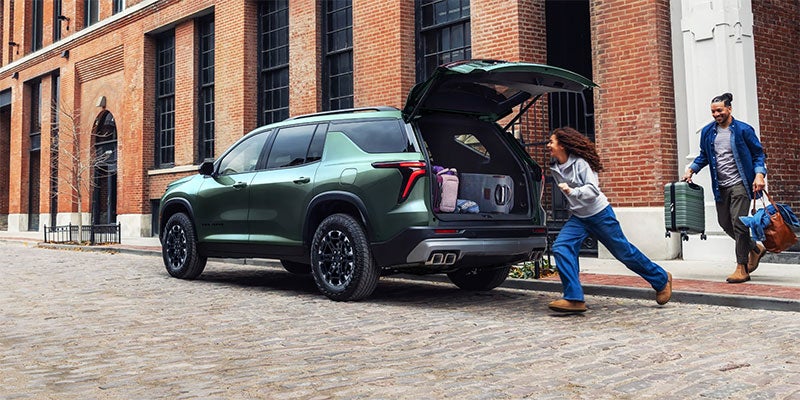
Loading a family SUV means making room for passengers, backpacks, groceries, and whatever the weekend brings. The Chevrolet Traverse interior offers several ways to manage those tasks, but seating configuration and equipment deserve a closer look before you choose a trim. At Finnegan Chevrolet in Rosenberg, start your comparison by trying the features your family will use most often. Third-row access and seat controls can matter just as much as overall passenger capacity. Start With Seven Seats or Eight The 2027 Traverse LT offers seven-passenger seating or an available eight-passenger configuration. The choice changes how your family uses the second row and reaches the back. Captain’s chairs provide a center aisle, while a second-row bench adds another passenger position. If you regularly carry extra children for school or sports, that additional seat may be useful. Bring your child seats when comparing layouts. Check how their placement affects third-row access, and have your usual rear passengers climb in and out with the front seats adjusted normally. Try Smart Slide for Third-Row Access Smart Slide seats help create an entry path by moving a second-row seat forward. Ask for a demonstration on the specific seating layout you’re considering, then try the release yourself while the vehicle is parked. Check whether the handle is easy to reach and whether the opening works comfortably for the person using it. Follow the vehicle and child-seat instructions when evaluating permitted seat movements. Folding equipment also varies across the lineup. The RS includes One-Touch Fold second-row seats and power-folding third-row seating. Confirm the controls on other trims rather than assuming every Traverse operates the same way. Test Cargo Space With Your Seats in Use The Traverse offers up to 98 cubic feet of maximum cargo space with the rear rows folded. That figure describes a cargo-focused arrangement, so it doesn’t tell you how your luggage fits when the family is aboard. Start with the third row upright. Bring a stroller, cooler, or sports bags and check the space behind the seats. Then try folding the sections you could realistically leave unused. Pay attention to the loading height and how easily you can reach items farther inside. These Traverse family features are most useful when they fit the gear you actually carry. Demonstrate the AutoSense Power Liftgate The AutoSense power liftgate provides hands-free opening and is included on the LT. It can simplify loading when you’re carrying bags or helping children. Ask the team to demonstrate its operation with the key fob. Also check the clearance needed above and behind the vehicle, especially if you park in a garage. Choose Around Your Family’s Routine An extra passenger seat, easier third-row access, and automatic folding controls solve different needs. Compare the equipment on each vehicle’s window sticker, then decide which conveniences you’ll regularly use. Visit Finnegan Chevrolet in Rosenberg to explore the 2027 Traverse interior and compare seating options. Trying the seats and loading your own gear can help you choose a configuration that works throughout the week.

Electric Vehicle

What’s Changing with Electric Vehicle Trends in Texas

More Texans are thinking differently about electric vehicles than they were just a few years ago. The technology is still important, of course, but today's buyers are paying close attention to how these vehicles actually fit into everyday life. From scorching summer heat in central Texas to long stretches of highway across rural counties, there's a lot to factor in. Electric vehicle trends are shifting in ways that reflect not just tech updates, but real changes in how people live and drive. We're seeing more questions around comfort, roominess, and whether a vehicle feels like a practical fit rather than just a clean-energy option. With regional habits and lifestyles leading the conversation, we’re watching electric cars evolve to match the rhythm of life here in Texas. New Priorities for EV Buyers in Texas Gone are the days when battery range was the only question buyers asked. Texans today want electric vehicles that suit longer daily commutes, family travel, and the demands of hot-weather driving. Interior space is getting more attention, especially from drivers who carry passengers or gear often. Models that offer roomy cabins and flexible seating are rising in popularity. Buyers are valuing comfort more now, with upgrades like softer materials, quiet rides, and convenient tech making a deeper impression. With many parts of Texas seeing long drives between cities, drivers are leaning toward electric vehicles that mirror the feeling of traditional SUVs instead of smaller, compact cars. What’s shaping decisions isn’t just energy use. It’s whether the electric vehicle feels dependable for real life, workdays, school drop-offs, weekend getaways included. Vehicles are more than just tools for transportation, they play a central role in our routines and are expected to support varied needs without hassle. How Texas Heat Shapes EV Design and Features Summer heat in places like Rosenberg, TX, isn't something you simply ignore. It’s a part of daily life, and electric vehicles that don’t respond well to it can feel underbuilt. More drivers are looking for models that use heat-resistant interior materials, so seats and dashboards don’t trap the sun and wear down quickly. Cabin insulation matters more too, not just for quiet rides but for holding in cooler air when it counts. Climate control systems with faster cooling speeds and features like ventilated seats have moved from luxury to expected. Families, commuters, and weekend drivers all benefit from systems that respond quickly without draining the battery or causing performance hiccups during peak afternoon temperatures. It’s a big part of why thoughtful design matters on both the inside and out. With summers growing longer each year, heat-readiness is a dealbreaker for many, leading to increased interest in models built to keep interiors comfortable and components running at their best. Range Improvements and Charging Expectations As electric vehicles improve, so do expectations about how far they’ll go and how often they’ll need to stop. We’ve seen more demand for models that offer longer range between charges. That matters in a big state where drivers often spend hours on the road. Route planning tools that help track nearby charging stations in real time are becoming standard. It takes some guesswork out of long-distance trips. Simplified charging tech, like faster connections and easy-to-read status indicators, is making it easier to plug in and move on. People want the vehicle to handle the background work. Instead of managing every detail, drivers are looking for options that fit into a regular routine. These improvements allow drivers to feel comfortable tackling new routes, and families can plan their trips with fewer interruptions. Even first-time EV owners are gaining confidence as the charging experience becomes easier and more intuitive than ever. Growth in EV Truck and SUV Options Some of the most noticeable changes are happening in electric trucks and larger SUVs, the types of vehicles Texas drivers have always favored. Models with towing capability, storage space, and higher ground clearance appeal to those who haul, camp, or work across varied terrain. Family-sized options with second and third-row seating are helping more households move toward electric without sacrificing space. Off-road and all-weather features are giving drivers more confidence to take electric vehicles beyond city limits. These new designs are opening doors. No longer limited to compact urban models, electric trucks and SUVs put electric on the table for drivers who need more than just two seats and a short commute. Bigger battery packs and durable frames have made it possible to carry bigger loads over rougher roads. Those upgrades mean people can choose electric for their main vehicle, not just as an extra car. Design Trends That Fit Texas Roads and Lifestyles What a car looks like matters too. Style isn’t just about making an impression, it’s about relating to where and how we drive. Many Texas buyers are choosing finishes with rugged trim, matte surfaces, or darker tones that hold up well in heat and dust. Customizable interiors are a draw. People want extra storage cubbies, flexible seating, and automated features that feel practical, not complex. Simplicity in tech is coming back into favor. Big touchscreens are fine, but drivers are asking for layouts that don’t add confusion or distraction. Texas roads, whether wide highways or bumpy backroads, shape what people need. Style paired with utility is becoming the new standard. Details that withstand sun and dust are worth paying for, and tech that is easy to reach matters more than ever during a busy commute or family trip. Local lifestyle is being woven right into the dashboard and seating, creating vehicles that truly feel made for Texas. Ready to incorporate the latest electric vehicle trends into your lifestyle in Rosenberg, TX? At Finnegan Chevrolet Buick GMC, we offer expert guidance and an exceptional selection of models designed for Texas roads and climates. Explore our range of options, including vehicles with enhanced cooling systems and extensive cabin features, to find your perfect match. As a top GMC dealership in Rosenberg, TX, we are committed to helping you make a seamless transition to electric driving. Contact us today to start your journey towards a smarter commute.

Vehicle Prep

Simple Ways to Check Vehicle Readiness for Texas Fall Drives

Fall in Texas is a welcome change after a long stretch of summer heat. The weather cools just enough to make weekend drives and short trips across town more enjoyable. With milder mornings and clearer evenings, it’s the kind of season that invites drivers to take the scenic route or squeeze in a few extra errands comfortably. Before we stretch the legs on our vehicles, it’s a good idea to double-check that they’re still performing the way they should. Some things can quietly shift after months of hot weather and longer trips. Whether we’re sticking with the vehicles we have or exploring used car sales for something that fits our needs better, taking a bit of time now can prevent unexpected problems later. Look Over Tire Health and Pressure Tires put in a lot of work over the summer, and seasonal changes can affect how they perform. As temperatures drop, air pressure tends to fall too. For drivers in and around Rosenberg, TX, the weather shift may cause tires to lose more air than expected, making it important to check on them as fall approaches. Feel the tire tread. If it’s worn low, it might be time to replace or rotate sooner than expected. Safe traction matters more when roads become slick. Check tire pressure while the tires are cold and adjust it to match the cooler weather range listed in your manual or door placard. If you haven’t rotated your tires recently, consider doing so to keep wear even and extend their life. Even small changes in tire health can change how your vehicle handles, especially when roads are wet with early morning dew. Proper tire maintenance also helps with fuel efficiency and can prevent inconvenient flats or blowouts down the road. Test Battery and Lighting Systems Texas heat can be tough on car batteries, and we don’t always notice signs of wear until things stop working properly. Look at the battery terminals. If you see white residue or corrosion, that buildup can weaken connections. Try starting your car at different times of day to notice slow cranks or dim interior lights. Test every exterior light you have: brake lights, turn signals, reverse lights, and both low and high beams. The days shorten quickly after September, so functioning headlights and brake lights matter even more than usual. Testing them all now can avoid surprises later as sunsets come earlier. Checking backup and license plate lights helps you stay visible and safe as dusk settles in. Review Braking Power and Fluid Levels Brakes tend to wear gradually, which makes changes hard to spot. But a few short tests can show whether anything’s off. While driving slowly in a safe area, notice if the brakes feel soft or make grinding sounds. If it takes longer to stop than it used to, that’s a sign that something needs checking. Under the hood, take a look at your brake fluid reservoir. It should be between the minimum and maximum lines and appear clear or lightly colored. It’s a good time to check other fluids too. Top off coolant if needed and make sure your windshield washer fluid is full and ready for bug-covered windshields and dusty fall roads. If transmission or power steering fluid looks low, topping off those reservoirs can help prevent future headaches. Make Sure Heating and A/C Still Work Texas fall weather can jump from one extreme to another, often in the same day. That means needing both heat and AC to be ready without warning. A car that can adapt to surprise temperature swings keeps you comfortable during early morning drives and late returns. Start your vehicle and test both temperature ranges. A fast shift between hot and cold air means your system is likely doing okay. If air blows weak or strange smells come through the vents, it could be a sign of clogged filters or issues in the system. Dust and dirt from summer trips can build up in the vent system and dull overall performance. Catching small issues early keeps you from getting stuck with poor airflow during that one chilly morning when you need to defrost fast. It’s often helpful to replace cabin air filters ahead of seasonal changes, as trapped dust and pollen from summer can linger and affect comfort inside the car. Know When It’s Time to Trade or Upgrade If your current ride has been needing more attention lately, it may be time to decide whether another round of repairs makes sense. Fall tends to be a bit calmer than summer or winter, which makes it easier to look over your choices. Used car sales sometimes offer well-kept vehicles with fewer miles and updated features. When comparing options, think about long-term value. Will an older car cost more in surprise fixes than a newer one would in monthly payments? Pay attention to service records, fuel mileage, and regular wear parts. If the balance is no longer leaning in your favor, it’s okay to start fresh. Look for something that fits your routines better, is easier on fuel, or has safety updates your current vehicle doesn’t include. Taking the time to weigh your options ensures you don’t rush into a new payment or repair without understanding the costs and benefits. Ready Vehicles Make Fall Drives Stress-Free Making a few small updates now means we’re less likely to run into bigger issues later. Tires, brakes, fluids, and climate control systems each play a steady part in comfortable fall driving. Light traffic, cooler afternoons, and smoother roads are easier to appreciate when the car works as it should. Whether we’re keeping the car we’ve got or turning to used car sales for a better fit, paying attention to a few core pieces helps every drive feel more relaxed and reliable. With fall weather already shifting in Rosenberg, TX, it’s a good time to plan ahead and make the season about enjoying the ride. Fall driving is more enjoyable when you know your vehicle is ready for longer trips and unexpected weather shifts, keeping you and your passengers secure and comfortable. As you prepare for more enjoyable fall drives, it might be the perfect time to explore new possibilities for your vehicle. If you're considering an upgrade, our selection of used cars in Rosenberg offers a variety of options that combine reliability with value. At Finnegan Chevrolet Buick GMC, we’re ready to help you find a ride that suits your lifestyle and keeps your journeys smooth and safe. Get in touch with us today, and let's make your fall adventures even more exciting.

GMC Truck

Top Signs You're Ready to Trade for a New GMC Truck

As September rolls in and families across Texas start settling into their fall schedules, it’s a common time to reassess what’s working and what’s not. That includes thinking about the truck you rely on day after day. Whether it’s hauling tools, commuting through Rosenberg, TX, or just leaving room for weekend plans, your vehicle plays a part in how smoothly life runs. GMC trucks have built their reputation on practicality and durability, but even the most reliable truck eventually reaches a turning point. If you’ve been eyeing newer models or wondering whether your current truck can keep up, it might be time to take a closer look. Local GMC dealerships can usually help uncover what signs to watch for. Here are the ones we see the most from drivers who know it’s finally time for a change. Your Current Truck Is Struggling With Daily Demands When something you rely on starts falling short, it tends to show. Trucks that used to handle everyday driving without complaint can slowly start causing more stress than relief. Problems don’t always pop up overnight, they often creep in little by little. You may notice more frequent visits to the shop for issues like engine knocks, slow starts, or brake noise. Repairs drag out longer because parts are harder to find or cost more than they used to. Towing feels heavier than it did years ago, and basic hauling takes longer or needs more effort. Features like old suspension setups or basic traction systems might not meet your use anymore. Older trucks that once worked well can feel behind the times quickly, especially with how fast vehicle tech has moved forward. When your truck feels more like an obstacle than a tool, that’s a flag worth paying attention to. Your Lifestyle Has Shifted Over Time Life does not stay the same, and your truck needs to keep up. Changes in family, work, or even hobbies can shift what you need from your vehicle. Many drivers trade in not because their current truck broke down, but because it just doesn’t fit anymore. A growing family may call for more passenger space or safety features tailored to little ones. Long commutes across Houston traffic can turn fuel costs and comfort into priorities. New hobbies like RV camping or off-roading could demand stronger towing and handling. If your schedule has changed or your routine looks nothing like it did five years ago, your truck might be more of a mismatch than you realized. Moving to something that better suits your day-to-day can make a big difference, especially as fall sets in and routines get busier. You're Looking for Better Features and Comfort Spending time in your truck each day doesn’t have to mean settling for outdated features. Today’s GMC trucks bring more comfort, function, and ease of use than ever. From cab design to smart trailering help, the upgrades add up fast. Newer trucks often include wider touchscreens, backup cameras, and navigation systems that simplify driving. Seamless smartphone integration helps with calls and maps while keeping your eyes on the road. Comfort matters too, ventilated seats, dual-zone climate control, and upgraded materials can ease long drives. Noise levels in modern truck cabins are typically lower, especially helpful on highway trips. Drivers often don’t notice how dated their current truck feels until they sit in a newer one. And when temperatures still climb in September, cooler cabins and better airflow can make a noticeable difference. You Want Financing Options or Lease Flexibility Sometimes the push to upgrade isn’t about features or engine sound. It comes down to money. As trucks age, they often cost more to keep running smoothly. At a certain point, shifting into a newer model just makes more sense, especially with options at GMC dealerships that can make that move easier. Moving from an older truck to a newer one under warranty can reduce unpredictable repair bills. Flexible leases or trade-in deals can help drivers keep monthly costs stable. Some owners find that applying their current truck’s value shortens the financing period of a replacement. It’s not just about saving money now. It’s about setting yourself up for fewer surprises in the months ahead. That peace of mind can go a long way when the fall calendar starts filling up fast. Your Truck’s Value Is Still Strong If your truck still runs well and looks good, that could be an advantage. Holding onto a vehicle until it breaks down completely might seem smart, but it means you lose the chance to trade while the value is still up. That’s a factor many overlook. Clean trucks with relatively low mileage often bring competitive trade-in value. Popular models in Rosenberg, TX, may be in high demand during early fall trade-in windows. New model rollouts make this season a common time for many drivers to upgrade. If you’ve been thinking about it anyway, late summer is a smart time to act. When you wait too long, the wear catches up and lowers what your truck might bring in. Trading while your current vehicle still has solid resale value can make the whole transition easier. Knowing the Right Time to Trade Can Make Driving Easier Some clues are obvious. Constant repairs and the growing chance of breakdowns are hard to ignore. Others sneak up slowly. A long drive that leaves your back sore or another school drop-off where space gets tight might be signs too. When your truck no longer fits comfortably into your day, it usually means something needs to change. Fall tends to bring a faster pace. If your current ride can't keep up, upgrading into a newer GMC can make your daily drive smoother, quieter, and less stressful, just in time for everything else the season sends your way. Ready to upgrade your truck before fall routines pick up? At Finnegan Chevrolet Buick GMC, we make it easy to find a vehicle that fits your day-to-day life in Rosenberg, Texas, whether you need comfort for the commute, towing power for your workload, or space for a growing family. Our latest models come loaded with the features drivers ask about most, so you can make your next move with confidence. Take a look at our current GMC dealerships inventory, then give us a call or stop by when you’re ready to experience one in person.

Pre-Owned Listing

How to Sort Through Texas Pre-Owned Listings Without Confusion

Late summer is a smart time to start looking at pre-owned vehicles, especially if you’re trying to stay ahead of the fall rush. School schedules, shorter days, and busier traffic all add up fast once September rolls in. For drivers in Rosenberg, TX, the heat is still in full swing, but the right car search doesn’t have to be stressful. When you're searching for Texas best pre owned vehicles, it helps to know how to spot the good ones from listings that look better than they are. Scrolling through pages of options can be exhausting if you don’t know what to focus on. We’ve put together simple ways to cut through the noise and find used cars that are actually worth your time. Make Sense of Listing Language Used car listings often pack in a lot of info, some helpful, some confusing. Knowing how to read the terms can help you avoid missteps. "Certified" usually means the car has been inspected by a dealer and may include extended coverage. "As-is" means the seller won’t cover any repairs after sale, so look closer at condition. A "clean title" shows the car hasn’t been declared a total loss by insurance. It’s also worth paying close attention to how mileage and trim levels are described. A “low-mile SUV” could mean 80,000 miles or 30,000, so check the actual number. Be cautious with listings that skip details or use filler language like “great shape” without explaining what’s been replaced or serviced. Vague listings might be hiding something, or at the very least, leave you with more questions than answers. Know What to Look for Based on Season and Location Texas summers hit hard, and that heat can take a toll on older cars, especially ones that haven’t been cared for. Right now, before cooler weather rolls in, you'll want to keep a close eye on key parts of any car you're thinking about. Make sure the air conditioning is running properly during your test drive. Check the tires for wear, cracks, or age, especially if the vehicle has been sitting. Ask for service records to see how often the car was maintained. Sometimes heat damage won’t show in photos. Look for faded paint, cracked dashboards, and worn rubber seals on doors or windows. These small signs can tell you how much heat exposure the car’s had and hint at how the rest of the components may have held up. Compare Value, Not Just Price It’s tempting to jump on the cheapest listing, but price alone doesn’t tell the whole story. Instead, compare overall condition, mileage, features, and service history. A slightly older vehicle with full service records may be a better pick than a newer one with gaps in maintenance. Higher mileage can be okay if the car’s been well cared for. Look at a few cars with similar year and mileage to see what gives you the most for your money. Sometimes the better deal is the one that avoids hidden headaches later. A car priced a bit higher might come with newer tires, updated brakes, or no accident history. Those extras can bring peace of mind even if you're not getting the lowest sticker price. Filters That Help Narrow the Right Fit Online tools make it easier to cut down the list of available cars, but only if you’re using the filters well. Set your year, make, and model preferences, but leave room to compare a few neighboring options. Adjust your budget range slightly above and below your limit to see what upgrades or condition differences exist. Add filters for mileage, transmission type, body style, and reliable dealer ratings. Watch out for listings that show up again and again. If the same car keeps popping up in your results but no one’s snagged it yet, pause and look a little closer at why. Too many flattering photos and little substance in the description can be a red flag. A polished listing should still give you real information about how the vehicle has been used and what shape it’s in now. Follow Up with the Right Questions Once you’ve found a few cars that look promising, go in with a plan. Asking good questions now can save you time and future problems. Confirm whether the vehicle has been in any accidents or had major repairs. Ask for full maintenance records and where the work was performed. Clarify how many owners the car has had. Ask whether an inspection report is available or if a third-party one can be arranged. Find out if there's any remaining warranty or available coverage. If you're working with a dealer, see if they offer any documentation on their inspection process. When possible, visit in person to check if the car really matches what’s shown in the listing. Photos don’t always show scratches, stains, or smells. A short drive and a glance under the hood can tell you a lot about how recently the car was cleaned up versus properly maintained. Confident Car Shopping Before the Busy Season Buying a used car in late summer can give you a big head start before fall traffic and schedules hit. With the right checklist and a little patience, sorting through what seems like endless pre-owned choices becomes more manageable. By learning how to search smart, ask directly, and stay focused, finding Texas best pre owned vehicles gets easier. You don’t need to guess which ones are reliable, you just need to read listings with care, ask a few clear questions, and remember what really matters for your day-to-day driving in Rosenberg, Texas. At Finnegan Chevrolet Buick GMC, we understand that shopping for a used vehicle in Rosenberg, Texas, is all about finding reliability for your daily drive. From withstanding tough Texas weather to making smart comparisons, we focus on what really matters. When you want to explore vehicles that truly fit your needs without the uncertainty, our current selection of Texas best pre owned vehicles is here to help you take the next step with confidence. Let us make your search easy, reach out with any questions or if you’d like help getting started.

Chevrolet

Understanding the Differences in Chevrolet Lease Structures

As summer winds down in Texas, now is a smart time to start thinking ahead. For many drivers, that means rethinking how they use their vehicles and whether a lease makes sense before the busier fall season hits. Around this time of year, life tends to speed back up with school, work, and longer commutes. Chevrolet offers different car leasing options, but they can look a bit confusing at first. Terms like closed-end and residual value may not mean much until you break them down. If you're thinking about skipping the long-term loan and trying something more flexible, understanding the lease types first can save time and stress later. What Is a Lease and How Is It Different from Buying? Leasing a car means you're paying to use it for a set amount of time instead of owning it. The contract usually runs for two to three years and includes details like monthly payments, included mileage, and what counts as normal wear. If you buy a car, you own it outright or finance it with a loan, and it's yours to keep or sell later. With leasing, the dealership still owns the car, and you agree to return it in good condition when the term ends. Leases often have lower monthly payments compared to loan financing. Most leases have set mileage limits, with extra fees if you go over. At the end of a lease, you either return the car or sometimes have the option to buy it. For people who don’t drive much or who like swapping vehicles every few years, leasing can feel like a better fit. Common Chevrolet Lease Structures Drivers See Every driver’s needs are different, which is why Chevrolet offers a few types of loan setups rather than a one-size-fits-all model. Each structure comes with different pros depending on how you drive and how long you want to keep the vehicle. Closed-end leases are the most common. You hand the car back when the term ends. You don't have to worry about resale value. If it's still in good shape and within mileage limits, you're all set. One-pay leases are paid in a single up-front payment rather than monthly installments. This type can sometimes offer savings and is useful for drivers who prefer fewer monthly expenses. Lease programs tied to loyalty or repeat drivers may allow better terms or more flexibility if you've leased before or stick with Chevrolet every few years. It's worth reading through the details before choosing. What looks good on the surface might not be the best match for your daily habits. How Lease Terms Can Change Based on Use Texas drivers often cover a lot of ground, whether for work or road trips. That means lease mileage and usage rules can play a bigger part in your decision. If you drive long distances often, check the mileage cap closely. Many leases give an average yearly max, but extras can usually be added upfront. For people who mostly use their car around town, a standard lease mileage limit may be just fine. Summer and holiday driving can add surprises. If your miles go up during vacation or family events, plan ahead for that increase before locking into a lease. Some leases include wear-and-tear limits. Highway driving is usually lighter on wear than constant stop-and-go city use, especially in summer heat. The key is picking terms that match your real routine, not just your ideal routine. Making Sense of Payments and Incentives Lease pricing involves more than the monthly number on the sticker. The total cost is shaped by factors that can shift depending on model, market, or specific dealership events. Down payments can reduce monthly costs, but paying less up front usually means higher monthly fees. Residual value is what the car is worth at the end of the lease. A higher residual value usually helps keep costs lower. Promotions might offer tempting monthly rates or low up-front costs, but make sure to read the full terms, including fees for going over mileage or ending early. Prices can vary based on trim levels, model years, and even color availability. Newer models or rare trims may cost more to lease. Being aware of what influences the structure helps you ask the right questions and budget without surprises. What to Think About Before Signing a Chevrolet Lease Before signing anything, it’s good to slow things down and ask how a lease would fit in your bigger picture. Ask about the full term length and whether it's flexible at all. Find out what happens if you need to end the lease early or swap cars before the term ends. Check if regular maintenance is included or expected during the lease. Some drivers prefer to have tire rotations and oil changes covered. Think about what might change during your lease period, like job shifts, school plans, or growing families. Will the car still fit after two years? Getting all the information up front makes it easier to avoid getting locked into something that doesn’t work six months down the road. Choosing the Lease That Matches How You Drive Car leasing options aren't just about numbers on paper. They’re about how you actually live and drive. If you're driving a long way every week or prefer a new car every few years, Chevrolet leasing structures give you room to plan. Understanding what separates one lease from another lets you avoid guesswork and feel more prepared come signing day. Right now, as we near the end of summer in Rosenberg, Texas, it’s a good time to step back and look at how your car fits into your daily routines. Matching the lease to that rhythm makes the experience smoother from start to finish. Ready to explore leasing options tailored to your needs? At Finnegan Chevrolet Buick GMC, our team is dedicated to helping you find the perfect fit for your lifestyle, whether you're interested in flexibility, the latest models, or manageable commitments. Discover our Chevy best lease deals and take the first step toward driving a car that complements your routine in Rosenberg, Texas. Let us guide you with expert advice and friendly service to ensure a smooth leasing experience.

Contact Us

Fill out this form below and we'll contact you shortly
*Required Fields