



Blog / Rosenberg Buick Dealer

Blog

All Rosenberg Buick Dealer Rosenberg Used Cars Rosenberg Buick Service
EV Charging

Solutions For Common Charging Problems In Electric Vehicles

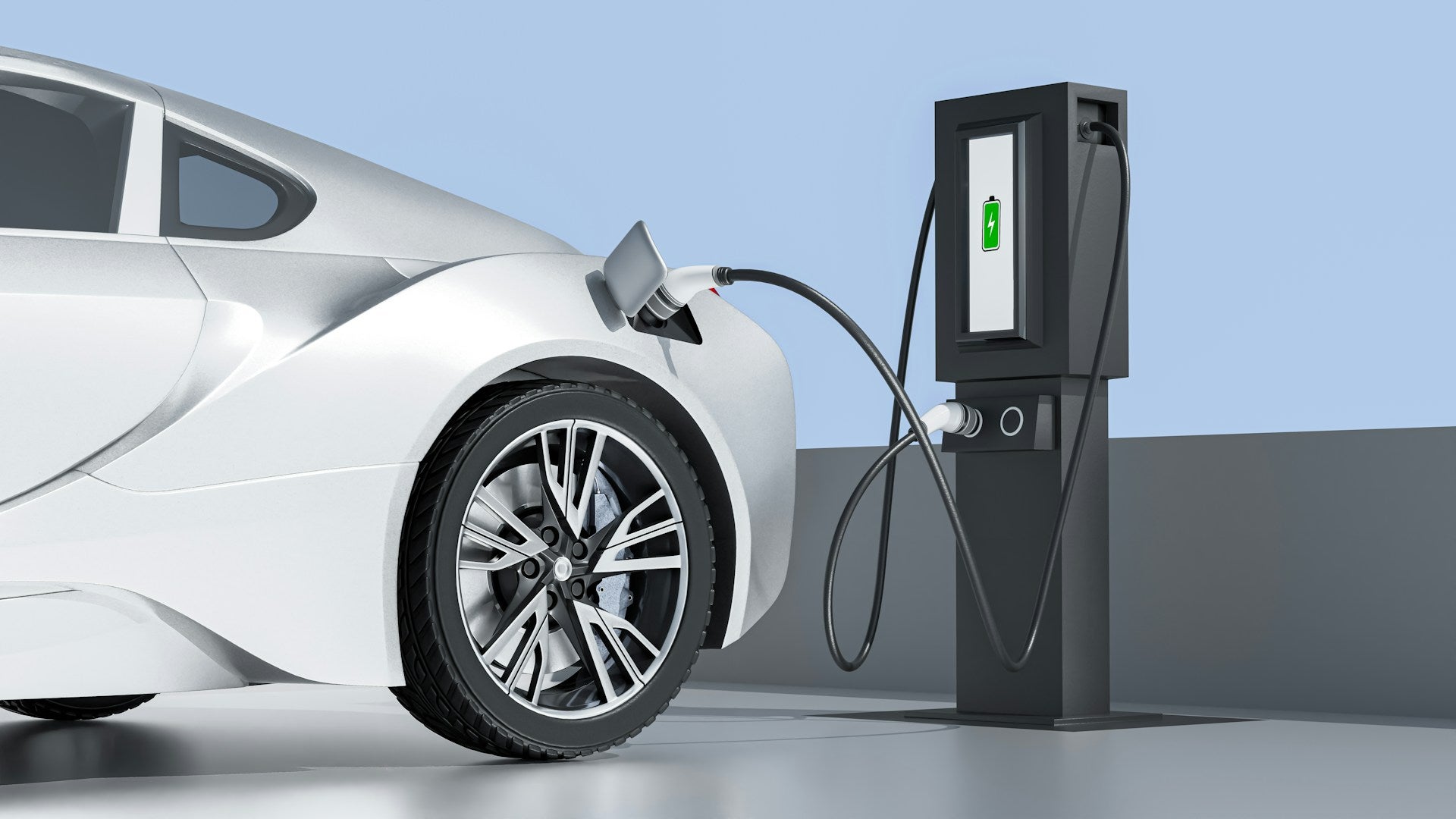
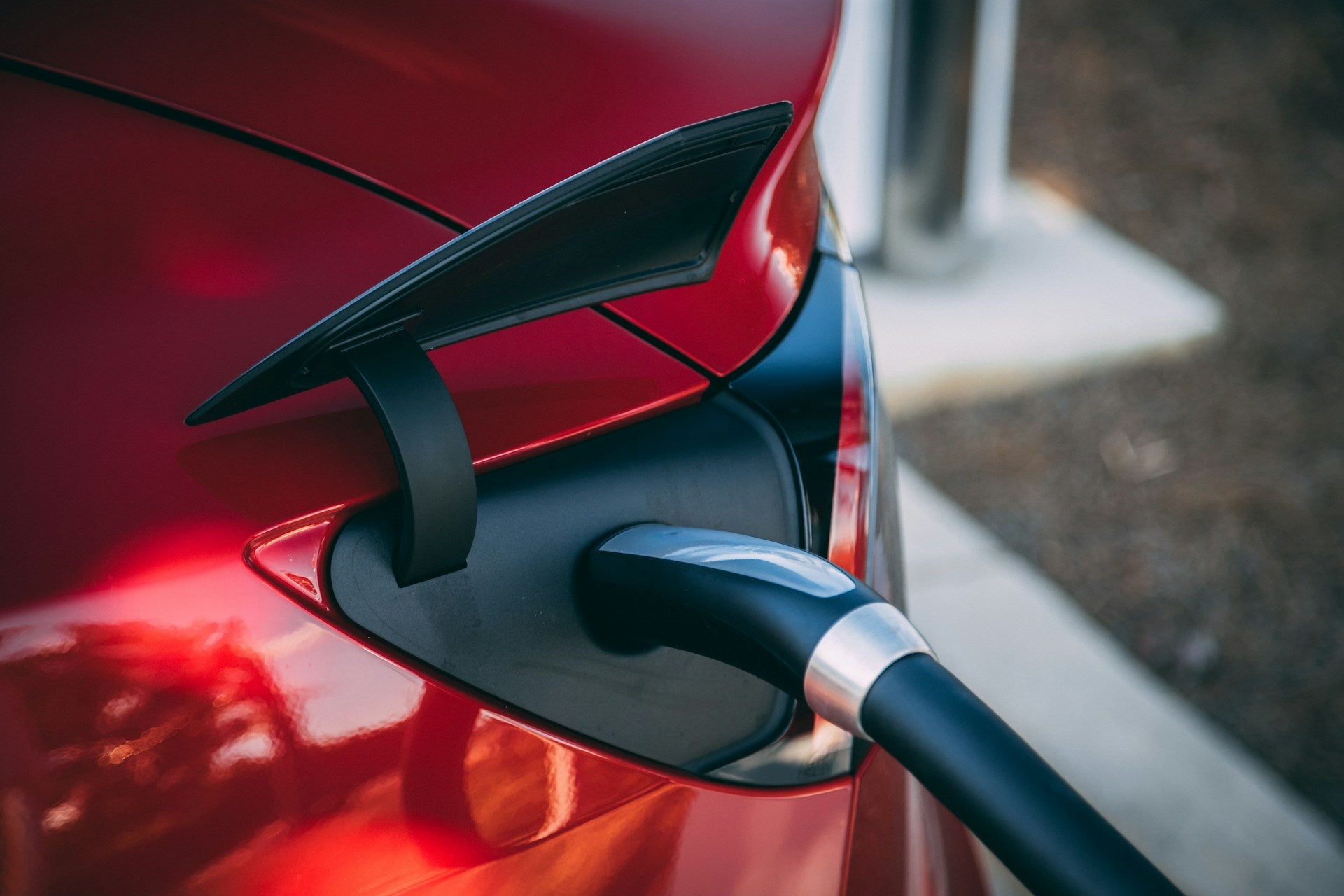
Electric vehicles, or EVs, have come a long way in just a few years. From better range to more charging stations, the experience of owning an EV has become a lot more convenient. But like any other vehicle, EVs come with their own set of challenges. One of the biggest stressors drivers face is dealing with charging problems. Whether you’re new to driving electric or have had your EV for a while, it’s frustrating to plug in your car and find out something’s not working right. more Getting ahead of these issues starts with understanding what’s going wrong and why. Most charging problems fall into a small number of categories, and the good news is they usually have straightforward solutions. These tips are especially helpful for Texas drivers dealing with hot summers and big driving distances, which can put a strain on both vehicles and charging networks. At Finnegan Chevrolet Buick GMC in Rosenberg, TX, we help drivers every day troubleshoot EV issues quickly and get back on the road. Common Charging Problems in Electric Vehicles If you own an EV or are thinking of switching to one, charging concerns have probably crossed your mind. The truth is that most EV owners face similar issues when powering up their vehicles, and these are usually tied to either access, speed, or equipment. Here are the most common charging problems many EV drivers deal with: Slow charging times, especially when using a basic Level 1 charger at home Outdated or limited charging infrastructure in less populated places App or payment system glitches at public stations Difficulty finding compatible charging ports or cables Temperature impacts on battery charging performance Sometimes these challenges are caused by external factors. Charging stations in smaller cities might not support fast charging yet, or hot Texas weather might reduce the battery’s charging speed temporarily. In other cases, an EV’s charging port might look fine but still struggle to communicate properly with an older or worn-down charger. Understanding what's causing the hiccup is the first step toward fixing it or avoiding it next time. Even if tech improvements are underway, your daily habits still play a big part in keeping charging smooth and simple. Troubleshooting Slow Charging Plugging in your EV and seeing it crawl to a full battery isn’t just annoying. It can throw off your entire day. But slow charging doesn’t always mean something’s broken. Sometimes, it’s something you can figure out with a few quick checks. Start by looking at where you’re charging. If it's a standard household outlet, you're using Level 1 charging, which is the slowest method available. That’s expected and works fine overnight. But if your Level 2 or public charger is taking too long, it’s time to investigate. Here are a few things that might be causing the delay: You’re sharing the charging circuit with other appliances in your home or garage The cable or connector isn’t rated for higher speeds The outside temperature is too high, causing your EV to cool its battery to stay safe The charging station is under maintenance or delivering power inconsistently Try another charger if possible, whether it’s somewhere public or a different outlet at home. If the issue follows you wherever you go, you may need a technician to check your charging port or setup. We’ve helped Rosenberg residents who ran into similar frustrations. One driver thought their EV was faulty, but the real issue was an outdated home circuit. We updated their system, and charging became much faster and safer. Pay attention to where and how often slow charging happens. Small details can lead you straight to the answer. Finding Reliable Charging Stations in Texas Few things are more frustrating than arriving at a charging station just to find it offline, too crowded, or painfully slow. This is something EV drivers across Texas know too well. Planning ahead can be the difference between a smooth charge and sitting around waiting. Apps like PlugShare and ChargePoint let you find active stations nearby. Most offer real-time availability, filters to choose your connector type or speed, and user reviews to help you avoid problem spots. When heading out on longer drives, especially between cities, these tools are your best friends. Stick to charging networks that work consistently with your vehicle. They aren’t all equal, and not every charger works with every model. Many stations also require memberships, which you’ll want to sort out before hitting the road. Some helpful habits for finding good charging spots: Keep a Level 1 charger with your gear in case of unexpected delays Aim for stations near shopping centers or rest stops where you can spend time comfortably Avoid high-traffic times such as weekend afternoons Regularly clean your EV’s charging port to prevent poor connections Texas is growing its charging infrastructure, but the development isn’t even across all areas yet. Use those apps, read reviews, and check station conditions ahead of time to save yourself the hassle. Checking for Charger Compatibility Not every charger works with every EV. If you’ve pulled into a station and found the plug doesn’t fit or the vehicle won’t connect, you already know how frustrating that is. Compatibility issues happen more often now that there are so many EV types and charging networks. Make a point to know your EV’s plug type and which charging systems support it. For instance, if your vehicle uses a CCS plug, make sure the station offers one. Tesla owners may have an adapter, but those only go so far—especially when dealing with older equipment. Before you plug in at a public station or try out a new charger, look over the specs. Chargers with more power than your vehicle allows can trigger a safety cutoff. Chargers that deliver too little just waste time. When setting up a home charger, make sure it matches both your EV’s onboard charger and your household electrical panel. Our team at Finnegan Chevrolet Buick GMC can help you figure that out and upgrade your setup if needed. Here are some tips to stay ahead of compatibility trouble: Review your vehicle manual for the right plug types and voltage limits Keep your manufacturer-supplied adapter in the car at all times Skip any station with damaged or worn cables, even if the plug fits Know your vehicle’s kilowatt limit so you don’t mistakenly choose the wrong charger Putting in a little effort upfront gives you a big time-saver on the road. Local EV Support for Rosenberg Drivers EV drivers in Rosenberg have more tools than ever—but charging frustrations still happen. From at-home setups acting up to mysterious error messages at nearby stations, it helps to have local support. Many EV issues go beyond surface-level troubleshooting. Whether it’s a glitchy charging module, bad wiring, or summer heat slowing things down, an experienced local team can spot these problems faster. Charging behavior also changes with weather, and long Texas summers can take a toll. A well-placed garage charger can keep the car and cables cooler, helping performance stay strong. Finnegan Chevrolet Buick GMC knows these patterns well. We’ve worked with electric vehicles in Rosenberg for a long time and have hands-on experience supporting many EV makes and models. Beyond installation, we offer testing, repair, and upgrades for all types of charging systems. Sometimes all you need is someone local who understands the conditions you're driving in day after day. Whether it’s heat-related slowdowns or aging home panels, we’ve seen it all—and fixed it. Making Charging Your EV Easier Every Day Driving electric doesn’t have to be stressful, even when charging gets tricky. With smart planning and the right support, issues like slow speed, poor charger compatibility, or station availability don’t have to ruin your day. The key is knowing what to look for, catching signs early, and having experts close by who understand your car and local conditions. At Finnegan Chevrolet Buick GMC, we’ve helped countless drivers in Rosenberg work through charging problems and feel more confident with their EVs. Whether you're troubleshooting at home, hitting the road across Texas, or thinking about upgrading your charger, we’re here when you need us. Charging should be simple, and we’re here to make sure it stays that way. For Texas Best Deal Autos on new vehicles, whether you're after a Chevrolet, Buick, or GMC, look no further than the wide selection available at Finnegan Chevrolet Buick GMC. We are here to support your EV journey and tackle any charging challenges you face. Explore your options with us today and drive confidently through Rosenberg and beyond.
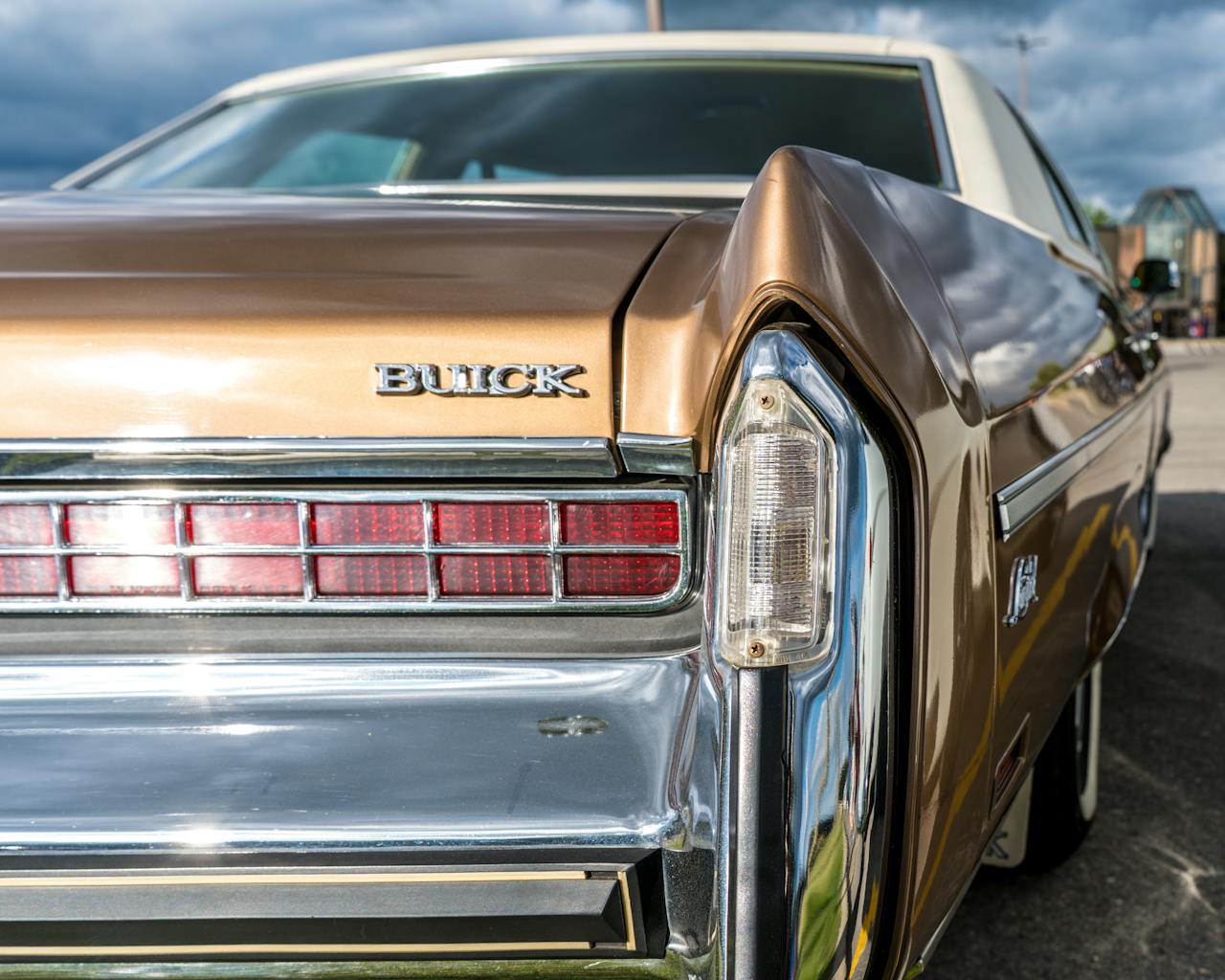
Buick

Understanding Your Warranty Coverage At A Buick Service Center

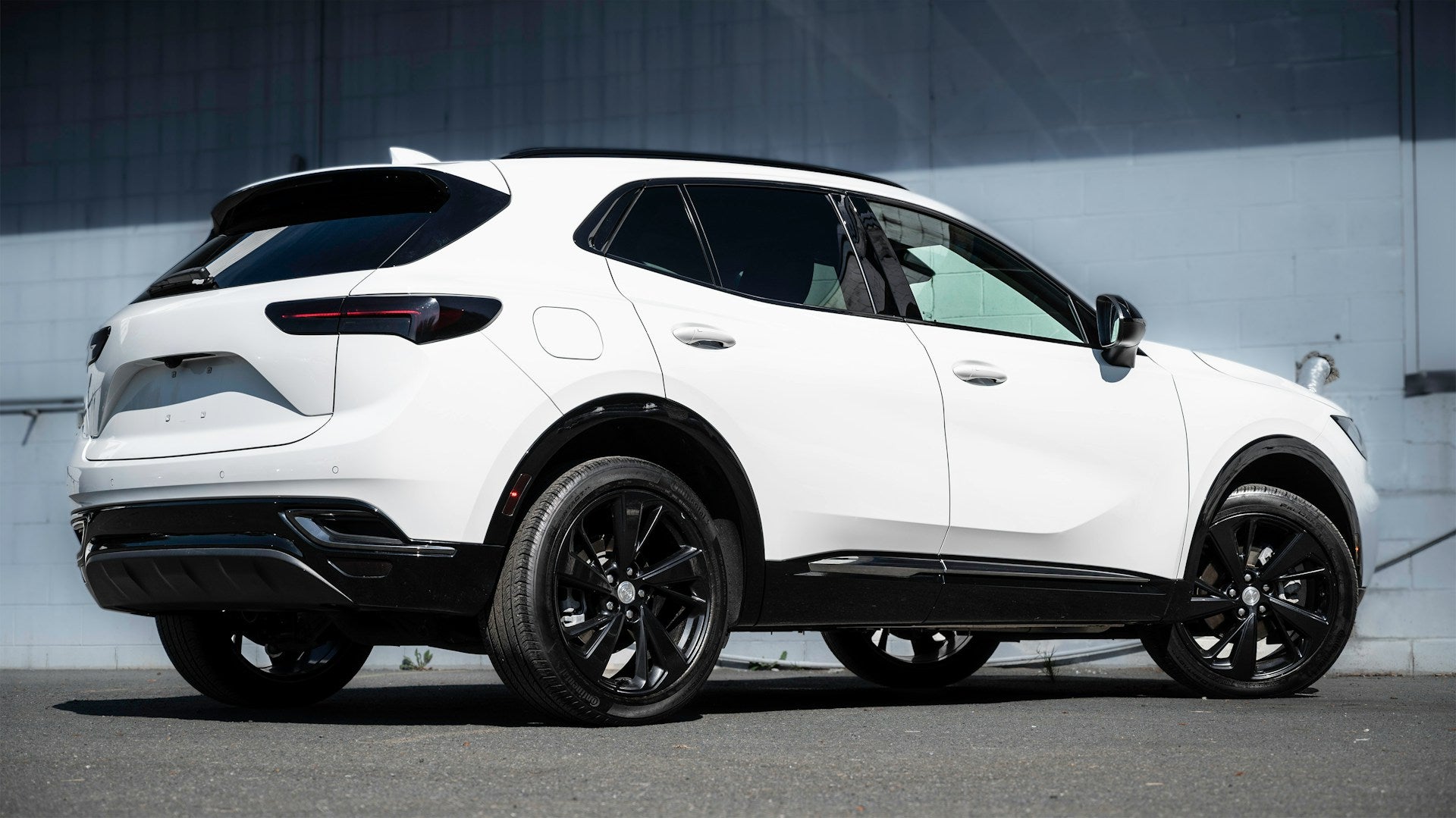
Your vehicle warranty might not be the most exciting part of owning a car, but knowing what it covers can save you a lot of time and unnecessary stress down the line. If you're driving a Buick, that coverage is there to help protect your investment and support you when something unexpected happens. Whether you're brand new to vehicle ownership or you’ve owned several cars already, it can be easy to let the fine print slip through the cracks. more That’s where a trusted Buick dealer in Rosenberg can be helpful. When it comes to understanding the details of your warranty, a local dealership specializing in Buick models is familiar with what’s typically covered and how best to use it. That means when something goes wrong, you’re not left guessing about what’s next. Let’s break down what your Buick warranty really covers and how you can stay on top of it. What Is Covered Under Your Buick Warranty? A standard Buick warranty covers a lot more than just major breakdowns. The idea is to give you peace of mind for both the short and long haul. The warranty comes with several parts, usually including both a limited bumper-to-bumper and a powertrain warranty. These protect most of the systems and components your car depends on every time you drive. Here’s a general look at what is usually included in your Buick warranty: Engine and transmission components Drive systems and axles Electrical systems Suspension and steering parts Factory-installed air conditioning (AC) and heating systems Entertainment and navigation systems Paint and corrosion coverage While warranty coverage is broad, it doesn’t mean everything is always included. Routine maintenance such as oil changes, brake pads, or windshield wipers are not part of your warranty. Damage caused by accidents, weather, or improper upkeep might also be excluded. Some warranties require repairs to be done at an authorized service center to stay valid. So if a repair is done somewhere else, it might not be covered. As an example, a driver once tried replacing an electrical component on their own to save time. Unfortunately, it ended up causing more problems and voided part of their warranty, making the final repair far more complicated and expensive. That’s why it’s so important to understand where your warranty applies and when to call in the professionals. Taking the time to understand your warranty now can save you from extra stress down the road. Whether it’s a small rattle or a check engine light, knowing what’s covered helps you decide the best next step. How To Check And Maintain Your Warranty Staying covered means staying proactive. Your warranty doesn’t do much good if it's voided by accident. Simple habits and staying informed are key. Here are some practical ways to make sure your Buick warranty stays valid: Schedule regular service at an authorized Buick service center Keep all service records and receipts Follow the maintenance schedule in your owner’s manual Avoid skipped oil changes or overdue repairs Use Buick-approved parts and fluids when replacements are needed Address warning lights or odd noises quickly Ignoring a weird sound or pushing off an oil change can cause more than mechanical problems. It might create gaps in coverage that aren't easy to undo. Sticking to your maintenance schedule keeps your vehicle running smoothly and your warranty working for you. If you're unsure whether something is covered, ask before making a repair. Service techs at a certified center can pull up your warranty details and tell you what's included. They can also guide you on what to do next so you don’t run into coverage issues down the road. Warranty coverage might not be the most exciting thing about owning a car, but when something goes wrong and eventually it will having one that’s in good standing can be a real relief. Getting familiar with your warranty now means less confusion, fewer surprise bills, and a better experience the next time your vehicle needs attention. Benefits Of Using A Buick Service Center When something breaks or needs attention under your warranty, where you go matters. A Buick service center in Rosenberg gives you more than convenience. You’re getting access to technicians who know your model inside and out. These mechanics are trained specifically on Buick vehicles, which can make a big difference when it's time to diagnose or repair a problem. One advantage many drivers appreciate is that parts used at Buick service centers are made for your exact vehicle. You're not guessing or taking shortcuts with generic parts. That can help make sure your repairs don’t void your warranty later. Plus, when repairs are done by certified techs using approved parts, the work can be logged into your official service history. That record can come in handy down the line if you trade in your car or transfer the warranty. You’ll also find that working with a Buick service center helps eliminate confusion. If an issue is covered, the staff will guide you through next steps without the guessing game. If it’s outside warranty terms, they’ll let you know why and give you clearer choices on what to do instead. This kind of support makes the process feel less frustrating. Many centers offer flexible scheduling, clean waiting areas, and text reminders for appointments. Little things like that might not seem like much at first, but they reflect a level of service that can make routine maintenance or warranty repairs far less stressful. Frequently Asked Questions About Buick Warranties Warranty coverage usually raises a few repeat questions. If you've ever scratched your head reading your policy, you're not alone. Here are some common questions drivers in Rosenberg ask and what you need to know. What happens if I skip a service visit? Missing scheduled maintenance can cause coverage issues, especially if it leads to bigger problems later. Try to stay on track with what’s outlined in your manual. Can I use a repair shop that's not a Buick service center? You can, but doing so might risk your coverage. Only work with service shops that follow Buick’s warranty procedures and use approved parts if you’re considering outside help. Are all repairs under warranty free? Not always. Some coverage comes with limits, such as mileage caps or timeframes, and not everything is included. Always double-check if a repair qualifies before moving forward. Does my warranty transfer if I sell the car? Most Buick warranties are transferable within a certain period. That can be a nice bonus if you plan to sell the vehicle before the warranty expires. Do I need to keep service records? Absolutely. Service history is often needed to prove the vehicle was maintained properly. Hold onto receipts and repair details just in case. Knowing the answers ahead of time helps you feel more confident when something goes wrong. Reading over your warranty and talking to someone who understands it can keep things running smoothly. Drive with Confidence Through Finnegan Chevrolet Buick GMC Budgeting for car repairs can be nerve-wracking. But when you understand your Buick warranty, you give yourself a bit more breathing room. The peace of mind that comes with knowing you’re protected makes the ownership experience better. It’s one less thing to worry about in your already busy world. Getting familiar with your warranty, sticking to service schedules, and addressing problems early gives your car a better shot at a long and reliable life. And when questions come up, turning to your local experts simplifies the process. A trusted Buick dealer in Rosenberg brings knowledge, service, and support, making car ownership a little easier every step of the way. Understanding your Buick warranty is key to maintaining the health and longevity of your vehicle. If you're looking for trusted support and expert care, schedule your next service with a knowledgeable Buick dealer in Rosenberg. At Finnegan Chevrolet Buick GMC, we’re here to help you get the most out of your coverage with dependable service and advice you can count on.

Chevy Engine

Steps To Take When Your Used Chevy Shows Engine Warning Lights

You’re driving along the roads in Rosenberg when suddenly your Chevy lights up the dashboard with an engine warning. That moment of confusion and worry is something many car owners know all too well. What does it mean? And more importantly, what should you do next? That small light can feel like a big problem, especially if you rely on your vehicle every day. more Whether your car is running fine or showing signs of trouble, an engine warning light should never be left unchecked. It could be something minor, like a loose gas cap, or a bigger issue that needs professional care. Understanding what this warning might indicate and knowing how to respond helps you stay safe and avoid serious damage to your vehicle. Let’s walk through what steps you can take to handle this situation calmly and smartly. Understanding Engine Warning Lights Your Chevy is built with sensors that help track its performance and alert you when something changes. The engine warning light is one of those alerts. It doesn't always mean your engine is failing, but it does tell you the car senses a possible problem. This can include anything from a small sensor glitch to a more serious mechanical issue that needs attention. There are a few ways the warning light might appear: A steady light usually means the issue is not urgent, but it's worth looking into soon A flashing light often points to a more serious problem, such as a misfire, and should be addressed quickly Some cars display messages explaining the alert, while others just show the check engine symbol Take a moment to notice how your vehicle is behaving when the light comes on. Is it driving normally, or are you experiencing slower acceleration, weird smells, or odd noises? This can give you helpful clues as you figure out what’s going on. Driving with the engine light on isn't always dangerous, but ignoring it risks turning a small fix into a costly repair. Always pay attention when your car communicates with you. Immediate Steps To Take When the engine light comes on, your first move should be to stay calm and avoid slamming on the brakes. This doesn’t mean you're about to break down, but it does mean your car is trying to get your attention. What you do next can protect both your vehicle and your safety. Start with these simple and effective steps: Pull over as soon as it’s safe to do so, especially if the light is flashing or if the car feels different Turn the engine off and restart it after a minute. Sometimes, the alert resets if it was caused by a temporary fault Check your fuel cap. A loose or cracked cap can trigger the warning light. Tighten it securely and see if the light disappears after driving for a while Look over the dashboard for any other warning lights. These could show related issues like oil pressure or engine temperature problems Read your owner’s manual for reference. It will explain what the warning symbols mean and what to do based on your make and model If the car drives normally and the light stays on steadily, you can usually finish your trip and get the vehicle checked soon. But if it’s flashing or the vehicle feels rough, it’s safer to stop and get it looked at right away. Don't take chances when it comes to protecting your car and the people in it. Checking For Common Issues Before assuming the worst, take a few minutes to look for simple and common problems. Sometimes, engine warning lights come on for reasons that aren’t serious but can still affect how your vehicle runs. These small checks might not solve everything, but they can help point you in the right direction. Here are a few things you can quickly look at: Gas cap: If the cap is loose, missing, or damaged, this could trigger the engine warning light. Give it a firm twist until it clicks into place Oil level: Pop the hood and check your oil dipstick. If the level is low, this might be causing the warning. Be sure your vehicle is parked on a level surface and the engine is cool before doing this Battery terminals: Make sure the connections aren’t loose or corroded. Weak battery power can cause alerts to pop up unexpectedly Leaks or spots under the vehicle: Look for puddles or drops under the car. This could mean fluids such as coolant or oil are leaking, which can lead to more serious issues if ignored Strange sounds or smells: A burning smell or clicking sound could offer more clues. These signs should never be ignored, especially if they begin right when the engine light turns on These checks won’t fix every issue, but they do help you gather helpful info you can share when getting your vehicle looked at. It can also help ease your mind if nothing seems out of place but the light stays illuminated. Especially with used cars in Rosenberg, keeping track of changes like these can go a long way in preventing surprise breakdowns. When To Consult A Professional In Rosenberg If the light doesn’t go off after the basic checks, or if the car feels different while driving, it’s time to allow someone experienced to step in. Continuing to drive a vehicle with a flashing engine light or unusual symptoms can damage the engine or other parts. The longer you wait, the more expensive the repair could become. Some signs that call for immediate attention: The engine warning light flashes or blinks You hear knocking or heavy rattling under the hood The engine feels like it’s stalling, running rough, or lacking power Smoke or a burning smell is coming from the engine area Finding help locally is better than driving far with a possible mechanical issue. Rosenberg has several service options, as it’s not worth the risk to wait if something feels off. A trustworthy mechanic will use advanced tools to read the car’s codes and figure out exactly what triggered the engine alert. Scheduling a professional inspection is also the safer move for anyone who’s driving a used Chevrolet that might have had hidden wear before purchase. When in doubt, let a technician confirm the issue instead of guessing or relying on temporary fixes. Preventative Measures That Make a Difference The best way to deal with engine warning lights is to stay ahead of them. Regular service checks keep your vehicle running more smoothly and help avoid dashboard surprises when you're out around Rosenberg. It's easier and usually more affordable to catch something during routine maintenance than after a problem shows up. Here’s how to stay a step ahead of warning lights: Keep oil changes on schedule and use the right type of oil for your vehicle Replace air filters before they get too clogged Double-check fluid levels and top off coolant, brake fluid, and windshield washer fluid as needed Pay attention when the engine feels different, such as strange vibrations or slower acceleration Have trusted experts perform regular inspections, even if nothing seems wrong Summer in Rosenberg means heat and longer car rides, so keeping your system cool and well-lubricated goes a long way. Whether your Chevy is a newer buy or a dependable older model, these small checks help it hold up better in Texas weather. Preventing the problem takes less time and stress than dealing with it later. Navigating Your Way to Safety A glowing engine light is your car’s way of speaking up. Listening right away can keep your Chevy running stronger and longer. Don’t write it off or delay handling it, especially if it keeps coming on or is paired with strange noises or smells. If you’re driving a used Chevy around Rosenberg and the light shows up, start with the small things, then take action if the issue doesn’t clear up. Whether it ends with a tightened gas cap or a full repair, handling it early helps protect your time, money, and safety. Finnegan Chevrolet Buick GMC is always here to provide reliable service and guidance to keep your vehicle in great shape. Count on us to support you through the process, from quick checks to full diagnosis. Keep your Chevy running smoothly by staying alert to warning signals and addressing them promptly. If you're dealing with engine issues and starting to explore your next vehicle, our selection of used cars in Rosenberg offers reliable options with the confidence you need. Finnegan Chevrolet Buick GMC is here to help you find the right fit for your lifestyle so you can get back on the road with peace of mind.

GMC Yukon

Red Flags To Watch For When Test Driving A Used GMC Yukon

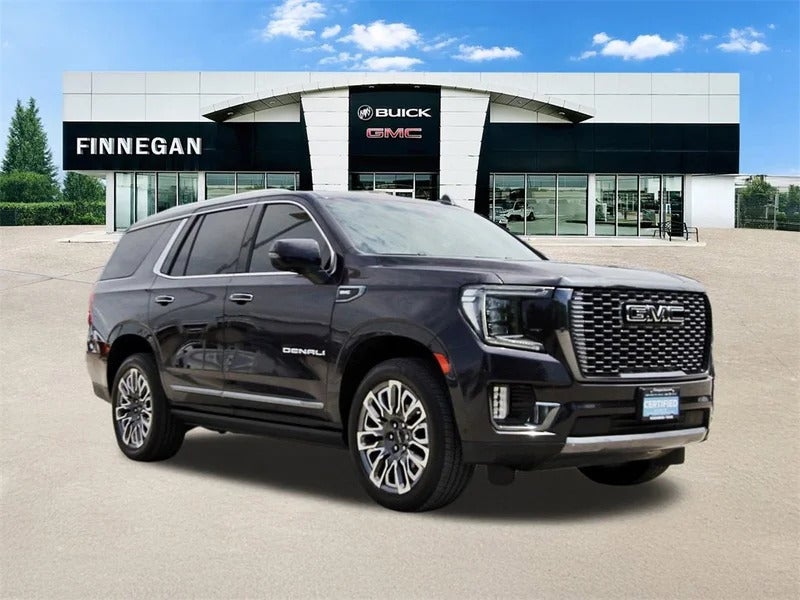
Shopping for a used SUV can bring up a lot of questions, especially when you’ve got your eye on something like the GMC Yukon. It has the size, the features, and the power a lot of drivers want, but whether it’s the right vehicle for you comes down to how it drives. That’s where a good test drive makes all the difference. You're not just checking if you like the way it feels behind the wheel. You’re looking for signs that something might be off. more A test drive lets you notice how the Yukon handles, hear any strange sounds, test comfort, and make sure all features are in working shape. If you’re considering a used GMC Yukon in Rosenberg, giving the test drive your full attention is a smart move. Understanding The Importance Of A Test Drive Taking a used GMC Yukon for a test drive is more than cruising around the block. It’s a chance to see how it responds in real driving conditions. This includes how it accelerates, brakes, handles curves, absorbs bumps, and even how loud or quiet the cabin is. As you drive, pay attention to things that you can't check while it's parked. Notice if it pulls to one side, how the suspension handles rough roads, and whether you feel in control. Try out all the buttons and controls. Are the radio, AC, backup camera, and dashboard functions easy to use and working properly? Watch how the steering feels. If it feels loose or doesn’t center itself well after a turn, there might be issues with alignment or suspension. Spotting something like this early can save you from expensive fixes later. Assessing The Exterior Condition Start your inspection with a slow walk around the vehicle. Take your time looking at every panel, every detail. A solid first look can tell you a lot about how the Yukon was treated by its previous owner. Look for signs such as: Mismatched paint or uneven panels, which might suggest past bodywork after a collision Rust forming around the wheel wells or under the doors Dents along the doors or on the bumpers Fogged or moisture-filled headlights and tail lights Tires that show uneven wear, which could mean alignment or suspension issues Little signs like an out-of-state license plate frame or residue from an old bumper sticker might also tell you that the vehicle has changed hands more than once. If the vehicle’s story starts feeling inconsistent, trust your gut and do more digging before moving forward. Evaluating The Interior When stepping into the Yukon, take a deep breath and scan the cabin. A worn or dirty interior might not be a deal breaker on its own, but it can be a clue that the car wasn’t properly cared for. Check the seats for rips, deep stains, and overall wear. Open and close the glove box. Test the seat adjustments. Do all windows roll down properly? What about the locks? Try every switch and button you see. Run through this checklist while inside: Turn on the AC and heater to make sure both work well and blow with steady pressure Check the infotainment system, radio, and Bluetooth connection for clear audio Test window, mirror, and seat controls Look for any flickering dashboard lights or warning messages Take note of any persistent odors too. A hint of smoke or musty scent might suggest past water damage, and those smells often stick around longer than you think. Engine And Performance Check When it’s time to start the engine, turn the key or press the button and listen. The engine should start with ease, without knocking, whining, or strange rattles. Let it idle for a minute and walk around the rear of the vehicle. Is there white, blue, or black smoke coming from the exhaust? That could point to an internal problem. Any burning smells from under the hood need to be taken seriously too. Once you're out driving, keep an eye on how smoothly it accelerates and how responsive it is when you step on the gas. Jerky shifts or slow pick-up could warn of transmission issues. Test the brakes gently and firmly—there shouldn’t be grinding, squealing, or any pull to one side when braking. Watch for warning lights during the drive as well. ABS or check engine lights that stay on need to be investigated. Handling And Comfort On The Road Your opinion of how the Yukon drives matters just as much as the technical checks. It’s going to be your daily ride if you purchase it, so comfort and confidence on the road are key to loving your decision. Plan a test route that includes a variety of road surfaces and using this checklist: Listen for clunks or rattles from the suspension when going over speed bumps Drive through turns and take note of how tight or smooth the steering feels Merge onto a highway or ramp to see how well it powers up at higher speeds Pay attention to unwanted vibrations as you reach cruising speed Make sure lane visibility is clear and controls feel natural to use Sometimes it's the little things that help you decide. If a seat doesn't provide the support you like or the ride feels rougher than expected, it’s okay to keep looking. A good fit matters more than you realize. Making Sure You’re Choosing Right Choosing the right used GMC Yukon in Rosenberg comes down to taking your time. There’s no rush when you're spending money on something you expect to last and keep you safe. The best time to uncover a hidden issue is before you sign anything. Don’t be afraid to ask questions, request service history, or bring in your own trusted mechanic to look the vehicle over. A second opinion might save you from a decision you regret. And if you need extra guidance, Finnegan Chevrolet Buick GMC is always ready to help. Whether you’re unsure about something you noticed during your test drive or just want extra peace of mind, their team can step in with trusted advice. A test drive should give you more than just a feel for the SUV. It should give you confidence that you're making the right call. And with the GMC Yukon, being thoughtful now can help make sure you’re happy down the road. To make your used SUV purchase more secure, take your time with a detailed test drive and know what to look for while you're behind the wheel. If you're shopping for a dependable GMC Yukon in Rosenberg, Finnegan Chevrolet Buick GMC offers a wide selection backed by experience and support you can count on.

GMC

Signs Your Electric Vehicle Needs Professional Service And Maintenance

Electric vehicles come with great benefits, but they still need regular care to stay in top shape. While they don’t demand oil changes or some of the upkeep gas-powered cars do, EVs still have their own set of warning signs when something’s not right. Ignoring these signs can lead to bigger problems that are more expensive and time-consuming to fix. Learning when your EV needs professional attention can help you avoid stress and stay safe on the road. more In Rosenberg, the Texas summer can put extra strain on your EV, especially when road trips and high heat are involved. Between battery drain and system overloads, your car could start showing signs of wear if it’s not checked regularly. Spotting these red flags early allows you to get help before a simple issue turns into something more serious. Below are several signs that your electric vehicle might need professional service or maintenance. Warning Lights And Indicators Your dashboard exists for a reason. It's your EV’s way of communicating when something might not be working right. If a warning light pops up, especially one you don’t recognize, that’s your car asking for help. These lights can point to a wide range of issues, from something minor like a faulty sensor to more serious problems with the battery or internal systems. Some lights that should never be ignored include: Battery warning light: Usually shaped like a battery icon. This could be a sign of a problem in your high-voltage battery system. Check engine light: EVs still have this feature, and it could mean problems with anything from the electric motor to the inverter or cooling system. Brake system alert: If you see a circle with an exclamation point or the word “BRAKE,” it’s time to stop and get things checked. It could be an issue with regenerative braking or brake fluid levels. Sometimes these lights can flash on by mistake, then disappear after restarting the car. But if they stay on or keep coming back, you don’t want to take a chance. Many EV systems are connected, so one small error could lead to larger failures. When key warning lights don’t go away after a reset, that’s a clear sign to visit a professional EV technician. Unusual Noises And Vibrations EVs are known for how quiet they are. That’s why strange noises stand out even more in an electric model. Any noise that wasn’t there before—whether it’s a low hum, snapping sound, or a slight rattle—should be taken seriously. Sounds are one of your first clues that something internal isn’t working like it should. You might notice: A whining or humming sound that gets louder as you speed up, which could mean wear in the motor bearing or other drivetrain parts A clunking sound as you turn or accelerate, possibly pointing to a suspension or driveshaft issue A vibration when braking or during moderate-speed driving, which may have to do with tire alignment or braking components Think about when the noise happens. If it kicks in when you hit the brakes or only happens during turns, that clue can help a professional figure things out faster. Unlike gas-powered vehicles, most EVs operate on a single-speed transmission system. That means any new sound from movement could point more directly to a problem part. Even if the noise seems minor at first, don’t ignore it. What sounds like a small issue could lead to your EV working harder than it needs to, which adds wear over time. A quick inspection from someone who knows electric models can stop that smaller issue from growing into something bigger. Decreased Battery Performance Your EV’s battery is arguably the most important part of the entire car. Over time, though, battery performance often begins to dip. You might not realize it right away. But as the changes add up, you’ll spend more time charging and less time on the road. Warning signs your battery might need professional help: You notice shorter range or require more frequent charging, even though your driving habits haven’t changed Charging stations take longer than normal to bring your battery to full Battery temperatures seem unusually hot, especially after shorter drives System messages about battery health or charging behavior appear on screen In Texas, summer heat adds even more strain. Temperatures in Rosenberg can make things worse if your car gets plenty of sun exposure during the day. Excessive heat can speed up wear and reduce capacity over time. Let’s say your EV used to go two or three days between charges but now needs a top-up every day. That kind of change can feel small but is worth looking into before it becomes worse. Scheduling battery checks can help prevent a complete battery failure down the line. Professionals can run diagnostics and may be able to recalibrate or update your system so it performs closer to what you’re used to. Software And System Malfunctions Today’s EVs rely heavily on internal software. That software controls everything from how your car charges to how it drives and reacts to road conditions. When something with the programming isn’t working right, it can feel like your whole vehicle is off. Signs of a software issue include: Random resets of your dashboard, touchscreen, or audio interface Bluetooth connections dropping or buttons becoming unresponsive Features like adaptive cruise or lane assist not working like before Changed driving behaviors without any setting adjustments, like different brake feel or throttle response Some of these bugs might be fixed by the dealer with a simple software update. But even with updates, if your EV keeps acting odd or glitchy, it’s time to bring it in. EV software doesn’t just run the fun features. It also manages safety systems, power flow, motor operation, and more. One glitch can easily affect multiple systems without you realizing it. Keeping software current is one way to keep your EV safer and running better. Regular service visits allow trained technicians to spot potential problems early and update your vehicle’s systems to keep pace with the latest standards. Keep Your EV Running Smooth in Rosenberg Electric vehicles can be efficient, fun, and quiet. But they still need some hands-on attention now and then. Getting familiar with how your EV behaves and how it sounds gives you a good baseline to pick up on anything unusual. Whether it’s a small hiccup in performance or a strange light on your dash, it’s better to be safe and let someone check it out. In Rosenberg, the summer heat and daily commuting routines are enough to push any EV closer to its limits. That’s why regular service is such a big deal. You’re not just fixing problems. You’re helping prevent new ones and making sure your car works as well tomorrow as it does today. If you see warning lights, hear odd noises, or feel like your EV isn’t charging like it used to, don’t wait for a breakdown. Getting your car looked at sooner makes the fix faster and often cheaper. For dependable Chevrolet service in Rosenberg, the team at Finnegan Chevrolet Buick GMC is here to help you stay on the road and avoid costly surprises. Let professionals handle the details so you can enjoy the drive worry-free. For those looking to keep their EV in top condition, regular maintenance is key. If you’re in need of reliable Chevrolet service in Rosenberg, let the experts at Finnegan Chevrolet Buick GMC assess your vehicle and ensure it remains in optimal shape. From addressing any mysterious dashboard lights to updating your system software, our team is ready to handle your car’s needs.

Buick

Guide To Maximizing Your Trade-In Value At Finnegan Chevrolet Buick GMC

Trading in a vehicle can help lower the upfront cost of your next car, but the amount you receive can vary based on how well you prepare. Many drivers lose out on potential value by skipping a few simple steps before turning in their vehicle. Putting in a little effort beforehand can give you a better offer when the time comes. more Whether your current vehicle is nearly new or has seen years of use, the right preparations can make a big difference at the dealership. If you're in or around Rosenberg, Texas, these tips will help you get more from your trade-in at Finnegan Chevrolet Buick GMC. Preparing Your Vehicle For Trade-In How your vehicle looks plays a big role in the trade-in process. Just like you'd tidy up your home before an open house, your car should show well to potential buyers and appraisers. Here are a few simple ways to prep your vehicle: Wash and wax the exterior to restore shine Clean out the interior thoroughly, including floor mats, cup holders, and vents Remove personal items like chargers, bags, and paperwork Replace small items that are worn or missing such as light bulbs or wiper blades Check tire pressure and fluid levels Address minor touch-ups like scratches or paint chips if the fix is quick and affordable Doing these tasks helps your vehicle show like it's been well cared for. Appraisers often take condition into account when assigning value. A clean, fresh vehicle that looks maintained may come across as worth more, even if the mechanical specs are the same as another car. Be sure to gather the other items that came with it originally: Spare keys or key fobs Owner’s manual All-weather mats or cargo accessories Vehicle service records Showing up with everything your car originally included signals that you've stayed organized and responsible throughout your ownership. Understanding Your Vehicle’s Value Knowledge is key when walking into a dealership with a trade-in. Having a general idea of what your vehicle is worth can help you spot a fair offer. Multiple factors are looked at when determining a trade-in price. Some elements that influence value include: Total mileage Year, make, and model Maintenance and service history History of accidents or major repairs Visual condition, including exterior and interior cleanliness Tire wear and current mechanical performance Popularity and demand for your specific vehicle For example, a reliable midsize SUV with low miles and a clean service record is likely to appeal to more buyers than a sporty car with dents and older tires. The difference in demand often plays a role in the overall offer. There are online tools that provide value estimates based on recently sold vehicles, but these are not definite offers. They just give you a ballpark figure. What truly defines value at the dealership is the in-person appraisal where trained staff can evaluate specifics tied to your particular car. Understanding where your car ranks in those categories helps you manage expectations and speak more confidently during the trade. Documentation And Presentation The way your vehicle is documented and presented can go a long way. Showing reliable service history and minor improvements displays care and consistency. A stack of receipts and orderly records tells appraisers that you'll likely be up front about the condition of your vehicle and its upkeep. Organize these items before your appointment: Maintenance logs (oil changes, tire rotations, brake service, etc.) Records of recent repairs or part replacements Warranty details or financing papers Confirmation or receipts of any upgrades or accessories Keep them all in one folder so the appraiser doesn’t have to dig around. This not only saves time, but helps streamline the process altogether. As far as the vehicle’s appearance goes, presentation still matters. Roll up windows, wipe down the seats and dashboard, and air out any strong odors from food or pets. Clean, odor-free interiors help vehicles feel fresher and well looked after. Details like working knobs, intact trim, and an unstained carpet can leave a stronger impression compared to a messy cabin. Taking Advantage Of Trade-In Offers At A Chevy Dealership In Rosenberg Timing can make a difference. Trade-in deals or extra incentives may appear during certain times of the year, such as around summer travel or new vehicle arrival periods. Checking in with Finnegan Chevrolet Buick GMC before stopping by helps you catch active promotions. In Rosenberg, summer often brings higher foot traffic at dealerships due to increased travel and purchase planning. Consider reaching out to lock in an appointment slot that fits your schedule. That way, you’re not rushed and can make sure your vehicle is fully prepped. What to expect during a trade-in appraisal: Walkaround inspection of vehicle condition Brief test drive to check major systems Confirmation of vehicle mileage and service status Offer made based on current market value and condition Dealership appraisers look for indicators that a car has been well cared for. A pre-scheduled visit gives them more time to review your documents and car closely without feeling hurried. In turn, it helps produce a more precise and possibly higher offer. Making An Informed Decision Once you get your offer, take a breath and review everything carefully. You’re not required to accept it right away. Good dealerships expect and respect questions about an appraisal. Pay attention to how the deal affects the rest of your purchase. Trade-in values can help lower your sales tax or cut down on your new car's loan amount. So while the dollar number matters, how it fits into your full purchase matters too. When comparing offers, ask yourself: Did the dealership clearly explain the appraisal? Did any unusual wear or repair needs impact the offer? Was the evaluation rushed or thorough? Did you feel comfortable asking questions? Always focus on fairness and transparency. If an offer is lower than you expected, ask why. Maybe your tires need replacing or there's a reconditioning fee. These deductions shouldn’t be a mystery. The trade-in process should feel like a two-way conversation, not a quick transaction. Especially if you’ve followed all the prep steps, you deserve an offer that reflects that effort. Keep comparing if needed, until you feel confident about your choice. Steps That Lead To Higher Trade-In Success Trade-ins can be more rewarding when a little prep work is involved. By cleaning your car, fixing small issues, organizing service records, and showing up prepared, you're sending a clear message: your vehicle has been treated with care. Whether your next vehicle is a brand new model or a certified option, bringing in a trade that’s ready for inspection helps speed up the process and often boosts your return. At Finnegan Chevrolet Buick GMC in Rosenberg, we know the ins and outs of making trade-ins smoother for Texas drivers. With the right steps, you can move forward feeling confident that you got the value you deserve—without extra stress or wasted time. Wrap up your preparation with a stop at our Chevy dealership in Rosenberg to explore available options and get personalized guidance. At Finnegan Chevrolet Buick GMC, we’re here to walk you through your trade-in process and introduce you to the latest Chevrolet models that could be the perfect fit for your next adventure. Whether you're trading in, buying new, or both, we're ready to make your next move easy and rewarding.

Chevrolet Truck

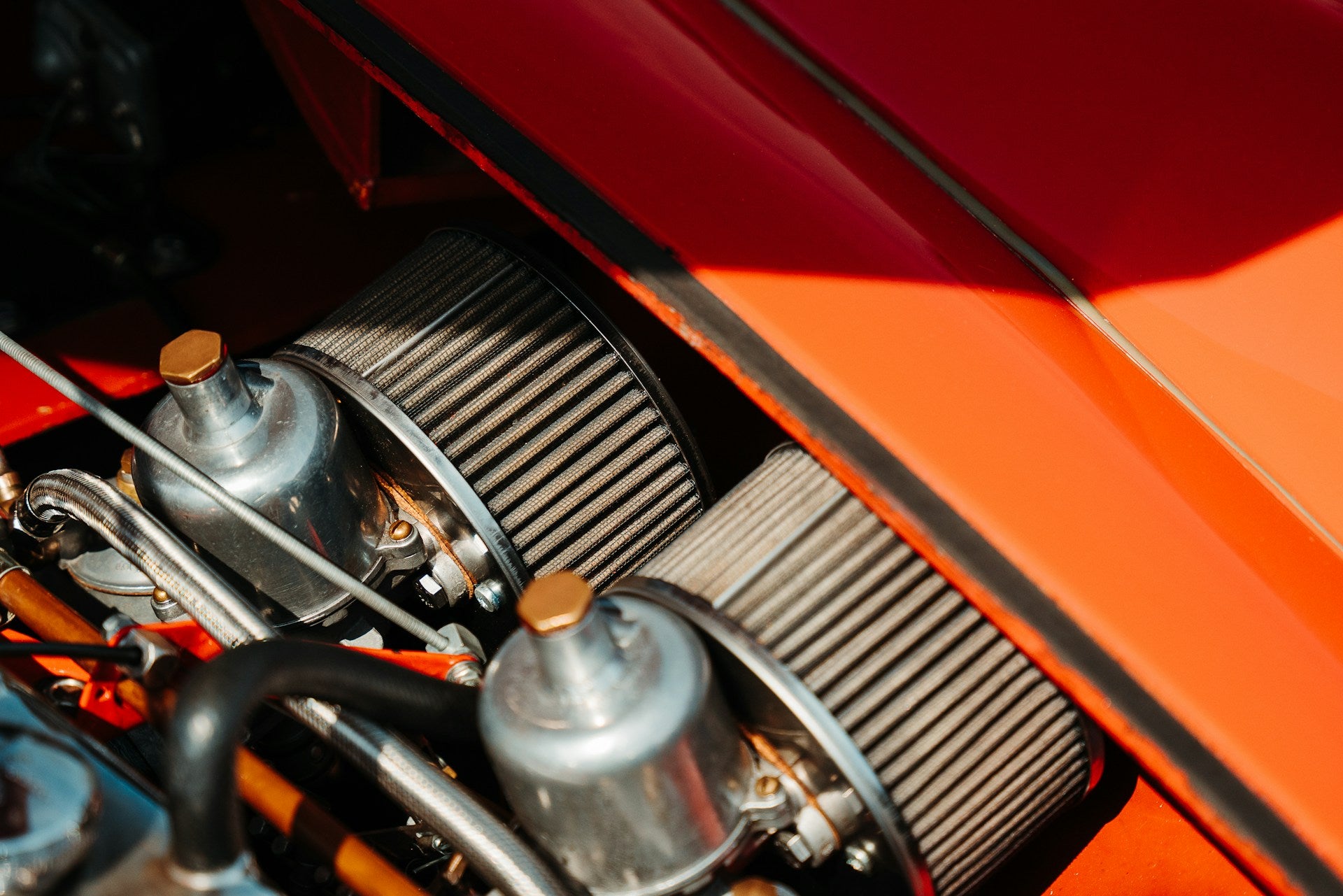
What To Look For When Inspecting A Used Truck's Engine And Frame

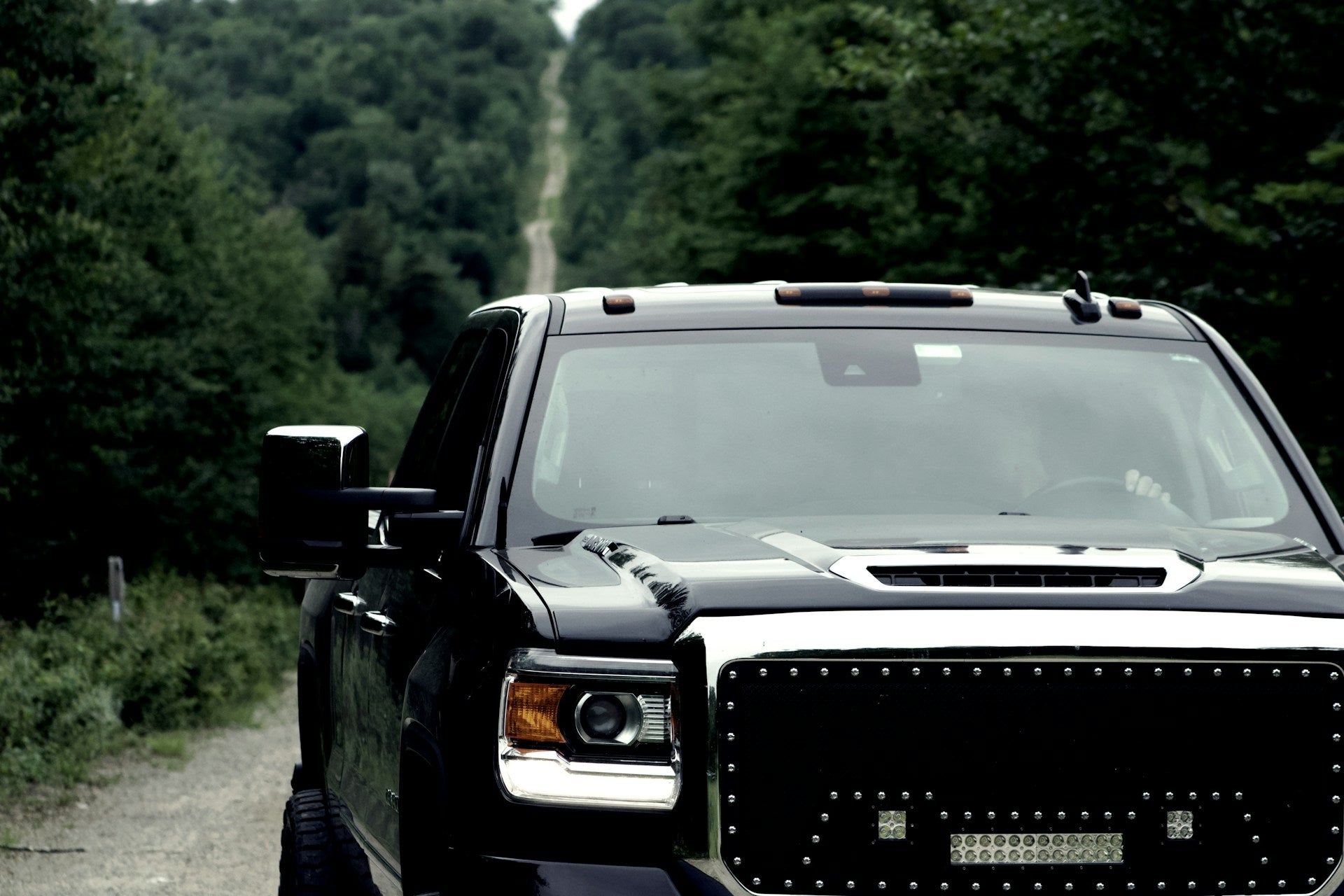
Buying a used truck can be a smart decision, but only if you know what to look for before you commit. A test drive and a shiny exterior don’t tell the whole story. What really counts is what’s under the hood and beneath the frame. These are two areas that can either seal the deal or turn your purchase into a money pit. Taking the time to do a careful check could save you from costly repairs down the road. more Two of the most important parts to inspect are the truck’s engine and its frame. These aren't small details. They are the foundation of how the truck performs and how long it will last. Whether you're planning to haul heavy loads, hit the backroads, or just need a solid daily driver, a strong engine and rust-free frame matter. So before you sign anything, roll up your sleeves and dig into these key inspection points. Check The Engine The engine is the heart of the truck, and any signs of wear or damage should raise concern. If you can pop the hood yourself, that’s a great start. Don’t worry if you’re not a mechanic. You’re just looking for obvious signs that something isn’t right. Look at these areas when inspecting the engine: Leaks: Check for oil leaks around the valve covers or beneath the truck after it's been parked. Oil spots on the ground aren’t a good sign. Engine oil condition: Pull out the dipstick and wipe it clean, then reinsert and check again. Dark, gritty oil could mean poor maintenance. Coolant: Peek into the coolant reservoir. Low or rusty-colored fluid is something to ask about. Belts and hoses: These should feel firm, not overly soft, and should definitely not be cracked. Unusual noises or smells: Start the engine and listen. Knocking, hissing, or clicking sounds are worth having a mechanic check out. Also, if you smell burnt oil or fuel, that could indicate a problem. Exhaust smoke: Blue smoke usually means it’s burning oil, and white smoke that sticks around could point to coolant issues. It’s easy to get caught up in a truck’s features or paint job, but skipping this step can cost you. A strong engine will feel responsive when you rev it and should not rattle or jerk during a drive. If something feels off, trust your gut and get a second opinion. Inspect The Frame Even if the engine looks good, the frame will give you a deeper sense of how much life the truck has left. In Texas, used trucks face high heat and sudden rain that can cause wear on less visible parts. A damaged or rusted frame can cost thousands to fix and create safety issues if left alone. Start by crouching down and getting a clear view underneath the truck, especially near the wheel wells, undercarriage, and ends of the frame rails. If you’re not sure what to look for, use this checklist: Rust: Surface rust is usually fine, but deep, flaky rust is a warning sign. Pay close attention to welded joints and cross members. Cracks or welds: Look for any signs that the frame has been welded or patched. This might mean the truck was in an accident, even if the title looks clean. Bent areas: Any bends or dents could signal past collisions or off-road damage. Gaps and misalignment: Uneven lines between the doors, hood, or bed and cab might point to frame damage. Suspension mounts: These should be firmly attached. If they’re loose or surrounded by rust, the truck could be unstable. For example, someone in Rosenberg bought a used truck that looked great on the outside. But after a few miles on rough roads, they started hearing a rattle. A mechanic later found heavy rust around the rear suspension mount. It appeared normal at a quick glance, but a closer look would have saved them a major repair bill. If anything seems off, or you’re unsure about your findings, the next step should be calling in a professional. Professional Inspection Even if you're confident in your own checks, it's smart to get a trained mechanic involved before making a final decision. Mechanics who regularly work on trucks can spot early signs of problems that most people would miss. Leaks in sealed components, tiny hairline cracks, or hidden frame stress may not show up until it's too late. In places like Rosenberg, heat and humidity can cause faster wear on engine parts and metal components. A professional inspection helps sort out unclear issues and provides real peace of mind. Look for a mechanic who has experience with midsize or full-size trucks. Ask about their background working on similar models or brands. Certifications such as ASE are helpful, especially in areas like engine performance or suspension work. These credentials tell you they’ve got training for the exact systems you want examined. A full inspection may include looking at: Brake systems Suspension bushings Driveline components Bodywork repairs Try to get this inspection done while you still have return or decision options on the table. Trucks sometimes drive well during a test and start acting up a few days later. A mechanic's opinion now can help you avoid frustrating calls to service departments weeks after the sale. Making The Decision Now that you’ve run through all your checks and gotten a mechanic involved, it’s time to make the call. Your notes matter here. Go back over any small issues that turned up. Are they things you can live with or fix easily? Or do they hint at deeper problems? Take the time to sort out surface-level wear from major red flags. If repairs will be pricey or the issues keep stacking up, it might be smarter to move on. If problems are minor, you could be looking at a truck that still has a lot of good years left. This phase also opens the door to negotiation. If you're buying through a dealership, bring up the issues and see what flexibility exists. Finnegan Chevrolet Buick GMC welcomes honest conversations and wants buyers to feel confident driving off the lot. Ask about repair options or adjustments based on what was uncovered. Always pick a truck that fits your top needs, like towing strength, off-road capability, or fuel efficiency. The best choice is one that balances the condition it's in and what you expect it to do. This Check Could Save You Thousands Used trucks can be dependable, durable assets if properly inspected. The engine and frame give you real insight into what the truck’s been through and what it’s ready for. Trucks in Texas need to hold up to heat, heavy use, and unexpected weather. Taking shortcuts now could leave you facing big repairs. If you're searching for one of the Texas Best Trucks, it's worth going the extra mile with your inspection routine. A careful review plus a trusted mechanic go a long way. Whether you need a work-ready truck or something reliable for everyday driving, Finnegan Chevrolet Buick GMC is here to help you find it. Take the time to ask the right questions and check the right spots, and you’ll enjoy a smoother ride for years to come. Finnegan Chevrolet Buick GMC invites you to explore what makes a truck truly dependable. Discover the value and reliability you can count on by browsing some of the finest selections available. If you're ready to find one of the proven Texas Best Trucks, take a look at our inventory and see how we can help make your truck search both simple and rewarding.

Car Dealership

What You Need To Know About Used Car Dealerships In Rosenberg TX

When you're on the hunt for a reliable ride without breaking the bank, exploring used car options can be a wise move. Used cars offer great value and often come loaded with features at a fraction of the cost of a new vehicle. However, finding the right used car requires a bit of know-how, especially when you're looking in Rosenberg, TX. Knowing where to start and what to look for can make your car-buying experience smooth and rewarding. more Exploring used car dealerships in Rosenberg offers local benefits you might not find elsewhere. Local dealerships often have a wealth of knowledge about community preferences and road conditions. They can provide insight into which cars have a track record of performance in the area. Plus, having a dealership nearby makes ongoing maintenance and service much more convenient. Advantages of Buying from Used Car Dealerships in Rosenberg Opting for a local used car dealership in Rosenberg has its own set of perks: Great Selection: Dealers in the area typically offer a wide range of vehicles. Whether you're after a sturdy truck for weekend getaways or a compact car that's easy to park downtown, you're likely to find it. Local Convenience: Easy access can reduce the headache of long drives for service or inquiries. When your dealer is just around the corner, you save time and effort. Knowledgeable Staff: Getting useful advice from staff who understand local driving conditions and needs is invaluable. They can suggest models known to handle Texas weather well, ensuring you get a car that's fit for both daily commutes and seasonal changes. By focusing on these aspects, you set yourself up for a more informed and efficient journey into car ownership. So, when you're exploring your options, consider the hometown advantage of dealerships that align with your needs and preferences. What to Look for in a Used Car Dealership When you're on the lookout for a great used car, knowing what to look for in a dealership can make all the difference. First, consider the dealership’s reputation. Check online reviews and ask friends or family in Rosenberg for their opinions. A dealership with a strong reputation often indicates reliable service and quality vehicles. It's also wise to look for dealerships that offer certified pre-owned programs. These programs usually include a rigorous inspection process and additional warranties, giving you peace of mind. Plus, having a warranty means you’re covered for specific repairs, making it a smart choice for those wanting added security. Finally, ensure you get a transparent vehicle history report. This report should detail any past accidents, ownership history, and any other noteworthy events. A clear history report can save you from unexpected surprises down the road, helping you make an informed decision. Tips for Visiting Used Car Dealerships Getting ready to visit a dealership doesn't have to be stressful if you're prepared. Start by collecting necessary documents such as your driver’s license, proof of insurance, and any loan pre-approval paperwork. It's also helpful to have a clear budget in mind to guide your choices. Here’s a handy checklist for your visit: Bring Identification & Paperwork: Ensure you have all needed documents. Set a Budget: Outline what you're willing to spend. Questions to Ask: What’s the car’s history? Are there financing options? What warranties are available? Test Drive & Inspection: Don't skip this. Take the car for a spin, and inspect it thoroughly for any visible issues. A thorough test drive is crucial. It allows you to feel how the car handles and assess comfort. Additionally, asking about after-sales services can give you a sense of the support you’ll receive post-purchase. Financing Options at Used Car Dealerships Understanding your financing options is key to a smooth purchase. Many dealerships offer financing plans tailored to fit different budgets and needs. Comparing these options with those from private lenders can help you find the best fit. Dealership financing often comes with added perks like flexible payment plans. Plus, dealers might offer promotions or discounts that make their plans more appealing. Trade-ins are another aspect to consider. They can significantly lower the cost of your new vehicle by offsetting the price with the value of your current car. Drive Home Your Dream Car With some preparation and the right questions, buying a used car in Rosenberg can be an enjoyable journey. The right dealership will not only have a car that meets your needs but also provide peace of mind for your purchase. Armed with a clear understanding of what to look for and expect, you're ready to explore the local dealerships with confidence. Take the time to visit, ask questions, and test drive so you can drive home knowing you’ve made the best choice. Ready to find a reliable ride that fits your needs and budget? At Finnegan Chevrolet Buick GMC, we offer expert advice and a wide selection in our used car dealerships in Rosenberg. Let our knowledgeable staff guide you to the perfect vehicle that matches your lifestyle.

Electric Vehicles

How To Fix Common Battery Issues In Used Electric Vehicles

Electric vehicles are gaining popularity, especially pre-owned EVs that give drivers a way to cut costs while still driving something newer and more eco-friendly. Like any used car, though, there are certain things buyers should keep an eye on. For EVs, the battery is where most of your attention should go. If the battery isn’t holding a charge or behaves differently than expected, it can throw off your whole driving experience. more Used EVs rely on battery strength to keep things running smoothly. A battery that's not performing well can affect everything from daily commutes to long weekend rides around Rosenberg. Catching problems early can make a big difference. And knowing how to spot those issues, along with what you can do about them, keeps your used EV running the way it should for longer. Common Battery Problems in Used EVs It’s common for EV batteries to wear down over time. Just like smartphones or laptops, car batteries go through charge cycles, and that affects how much energy they can hold. In a used EV, this wear really depends on how the vehicle was driven before it ended up in your garage. But certain problems tend to show up again and again. Here are a few battery problems worth watching for: Reduced driving range: If your EV once lasted close to 250 miles on a full charge but now struggles to hit 180, that’s a sign the battery is fading. Range loss can happen slowly or suddenly as the battery ages. Slower charging times: If your Level 2 home charger used to take about five hours but now takes eight, something might be off. Slower charge times could mean chemical changes in the battery. Battery degradation: This isn’t just slower performance – the battery is losing its ability to support the car the way it was meant to. That may show up in weak acceleration or shorter trips between charges. Sudden drops in charge or uneven charging: If you see the power level dip quickly from 50 percent to 20 without warning, that charge runoff points to trouble. In Rosenberg and other hot parts of Texas, summer heat can make these problems worse. Leaving your EV out in the sun all day stresses the battery. Over time, that impact adds up, which is why learning about these issues is useful before things become harder to fix or more expensive to manage. Diagnosing Battery Issues Figuring out what’s going on inside your EV battery doesn’t require being a tech wizard, but it does take some attention. Many EVs give feedback when something isn’t quite right, so it helps to know what signs to look out for. Start with the basics. Watch for: Sudden or frequent drops in battery level while driving Lower mileage between full charges than what you're used to Sluggish performance or longer response time when accelerating Heat coming from the battery area more than normal Random dashboard messages about battery or power issues You can also review any available battery health reports or driving history reports that came with the vehicle. These give good insight into performance over time. In newer models, many drivers use apps that monitor charging use and battery behavior daily. If anything seems off and you’re unsure what’s causing it, it’s best to speak with a trusted technician. The longer you wait, the more serious these small battery issues can become. Catch them early and you’re saving time and money. Professional Solutions for Battery Issues If you’ve noticed performance issues tied to your EV battery, the next smart move is turning to professionals trained to handle electric vehicles. These aren’t the kind of repairs you want to guess your way through. Electric car batteries are complicated systems that rely on both hardware and advanced software. Technicians with experience can run precise tests to check for things like: How well the current flows through the battery Any warning signs of unstable voltage Weak spots in individual battery cells Possible fixes like software resets or system updates Sometimes what looks like a failing battery is actually an issue with the battery management system or a few struggling cells. A technician can pinpoint exactly what needs attention, rather than just replacing the entire pack. That kind of service helps you get better performance without spending more than necessary. At Finnegan Chevrolet Buick GMC, our technicians regularly work with electric vehicles. We help drivers across Rosenberg deal with heat-related damage, unpredictable charging patterns, and general wear over time. With the right tools and experience, we can troubleshoot the issue correctly the first time and have your electric car working properly again. Ways to Extend the Life of an EV Battery Just like changing your oil on a gas engine, regular habits can make a big difference in battery performance. Texas seasons, especially high heat in the summer, put more pressure on an EV battery than drivers may realize. That’s why upkeep matters. Here’s what we recommend to help extend your EV battery’s life: Park in shade or garages when possible during peak heat hours Use a Level 2 charger at home instead of relying on fast charging daily Keep the charge between 20 percent and 80 percent when possible Try not to leave the EV stored unplugged in hot or cold weather for long Drive the vehicle frequently to keep charge levels steady Battery lifespan is tied to temperature and charging habits. For example, leaving your EV outside in July fully charged at 100 percent every day isn’t doing the battery any favors. Keeping power levels moderate and parking in shaded spaces whenever you can helps prevent early wear. Of course, scheduling regular service checks is just as helpful. As part of your seasonal vehicle care plan, quick visits to Finnegan Chevrolet Buick GMC for battery inspections can keep you ahead of issues. These small steps keep your car’s power strong and stable longer. Why Finnegan Chevrolet Buick GMC Should Handle Your Used EV Needs If your used electric vehicle is starting to show signs of battery problems, work with people who know how to fix those issues the right way. At Finnegan Chevrolet Buick GMC right here in Rosenberg, we’ve helped drivers troubleshoot all kinds of EV battery concerns — from heat-related damage to aging battery packs and software lags. Our team is trained in working with high-voltage EV components and uses tools made for electric vehicle diagnostics. Whether it’s a system update, a reset, or cell replacement, we break down the problem step by step. That way, you’re not left wondering what went wrong or what the fix is for. We’re also fans of staying ahead of the problems. By offering quick performance checks, service reminders, and honest advice, our goal is to keep your used EV running smoother for longer. If you’ve got a pre-owned EV in Rosenberg or plan to buy one soon, visit Finnegan Chevrolet Buick GMC and let us help you make the most of your investment. If you're exploring your options for the best used EV cars, Finnegan Chevrolet Buick GMC has a wide range that fits different needs and driving styles. Our team is here to offer helpful guidance so you can feel confident about your next move. Browse our current selection of the best used EV cars and see what fits your lifestyle.

Best Practices For Visiting A Car Dealership In Rosenberg

Visiting a car dealership can be a fun and enlightening experience, especially when you're well-prepared. Whether you're looking to buy, just browsing around, or exploring different models, a trip to a car dealership can set you on the right path. In Rosenberg, where Finnegan Chevrolet Buick GMC provides a trusted hub for car enthusiasts, knowing what to expect can make all the difference. Being ready with information can turn what might feel overwhelming into a smooth visit, helping you make the most of your time. By familiarizing yourself with best practices, you'll be equipped to handle the many decisions that come with buying a vehicle. Knowing how to approach your visit will not only save you time but can also help you find that perfect car that fits both your needs and budget. Whether you're shopping for a practical family car or a sleek sedan, having a plan before setting foot on the lot will keep you focused and confident. Do Your Homework One of the best things you can do before heading to the dealership is a bit of homework. This doesn't have to be a chore; it can actually be quite exciting to explore all the available options. Start by checking out different car models and their prices online. Websites like the one for Finnegan Chevrolet Buick GMC can give you a snapshot of what’s available and what might suit your tastes. Here's how you can streamline your research process: Browse online for cars you're interested in, comparing features and prices. Make a list of must-have features that you absolutely need in a car, and also note down some desirable features that could be deal-breakers for you. Check reviews and ratings for both the dealership and specific car models to see how they perform in real-world conditions. Spending some time on these tasks can yield valuable insights and arm you with the knowledge needed to make informed decisions. It ensures that when you arrive at the dealership, you're not starting from scratch. Instead, you can step in confidently, knowing what questions to ask and what exactly you're looking for. Doing your homework beforehand can make the car shopping experience more streamlined and rewarding. Plan Your Visit After you've done your homework, planning your visit is the next step in making your car dealership experience smooth and efficient. Choosing the right time of day can make a world of difference. Weekdays tend to be less crowded, providing more personalized attention from sales staff. If weekends are your only option, aim for early morning to beat the rush. Here are a few tips to consider for your visit: Choose the Best Time: Avoid weekends if possible. Weekdays are usually quieter. Documents to Bring: Make sure to have your driver's license and proof of insurance. You might also need proof of income or residency for financing discussions. Schedule an Appointment: Contact the dealership ahead of time to set up an appointment. This ensures that someone will be ready to assist you. Having these details sorted out before you arrive can save you a lot of time. It allows you to focus solely on your car search, making the experience much more enjoyable. On-Site Practices Being on site at a dealership can be exciting, but it's also easy to feel overwhelmed by all the options. Take your time inspecting the vehicles that interest you. Look over both the interiors and exteriors, checking for any signs of wear or features that are particularly important to you. Here's how to maximize your visit: Inspect Thoroughly: Examine the vehicle, looking for any signs of damage or issues. Ask Questions: Don't be shy. Ask about features, vehicle history, and anything else on your mind. Test Drive: Ask for a test drive to get a real feel for the car. Pay attention to comfort, noise, and how the car handles. This hands-on experience is invaluable. It allows you to see beyond the shiny exterior and understand if the car will meet your needs in everyday life. Understanding Financing Options One significant aspect of buying a car is understanding the financing options available to you. At Finnegan Chevrolet Buick GMC, they'll discuss various plans that suit your financial situation. Prepare questions about loan terms, interest rates, and down payments, so you're ready to make informed decisions. Consider these questions for your discussion: What are the loan terms, and how do they affect my monthly payments? Are there any promotions on interest rates? What down payment is required, and are there any trade-in options? Bringing a co-signer might be something you consider as well, especially if you're working to build credit. Knowing your options and discussing them openly helps ensure you'll find a payment plan that you're comfortable with. Car Dealership Visits in Rosenberg Made Simple Ultimately, make sure all your questions have been addressed. Take notes, whether on paper or using your device, to remember what you liked or didn't about each vehicle. This can guide your future decisions or follow-up visits. Planning a return visit might be the option to weigh if you need more time to think or if waiting for a specific model or deal. Reinforce your insights by taking everything you learned and comparing it at your leisure. This approach empowers you to decide with confidence and find the right vehicle that perfectly fits your lifestyle in Rosenberg. Ready to get started with your car search at a Rosenberg car dealership? Visit Finnegan Chevrolet Buick GMC to explore a wide selection of new Chevrolet vehicles that could be the perfect match for your lifestyle. This local dealership is committed to offering a diverse range of options to ensure a satisfying car-buying experience. Whether you are interested in a family-friendly SUV or a sleek sedan, their team is ready to assist.

How To Navigate Through Multiple Car Dealerships In Rosenberg

Finding the right car that perfectly suits your needs can be a thrilling journey, especially if you're navigating through multiple car dealerships in Rosenberg. In this vibrant area, there's a rich selection of vehicles to choose from, whether you're looking for a sleek sedan, a spacious SUV, or a rugged truck. Navigating these options can be overwhelming, but with a strategic approach, you can find the perfect match while getting the best possible deal. When visiting various dealerships, it's important to have a clear plan. The goal isn't just about securing a vehicle; it's about making an informed choice that aligns with your requirements and budget. By focusing on key steps, like researching dealerships and planning your visits, you can ensure a smoother and more rewarding car-buying experience. Researching Rosenberg Car Dealers Before setting foot in any dealership, doing some homework online can give you a significant advantage. Research helps you narrow down your options and focus on dealerships with the best reputations and inventories. Here are a few tips to get you started: Look Up Dealer Reputations: Begin by checking out online reviews and ratings of Rosenberg car dealers. Customer feedback can provide insights into the overall experience, customer service, and reliability of a dealership. Look for patterns in reviews to determine any common praises or complaints. Compare Inventory: Most dealerships list their available vehicles on their websites. Take the time to browse through these inventories and see which dealers have the cars that interest you. Note any special features or deals that catch your eye. Consider Pricing: Compare prices across different dealerships for similar vehicles. This will help you identify which places offer competitive pricing and which might be a bit overpriced. Digital research lays a solid foundation for informed decision-making. By knowing what’s available and having a sense of pricing and dealer reputation, you’ll arrive at the dealership better prepared. Visiting Dealerships Efficiently Armed with your research, it's time to hit the road and visit the dealerships on your shortlist. Planning can make this process far more efficient and less stressful. Here's how to streamline your visits: Map Out Your Route: Identify the locations of the dealerships you’re interested in and plan an efficient route. Group them by proximity to visit multiple places in one outing, reducing travel time and making the day more productive. Check for Cleanliness and Organization: As you visit each location, take note of how tidy and organized they are. Clean facilities and organized displays often reflect a dealer's attention to detail and customer care. Engage with Staff: Pay attention to the communication style of the sales representatives. Are they attentive and eager to help? Do they answer questions thoroughly? Great customer service is a key part of a pleasant car-buying experience. While visiting, jot down notes about each location, vehicle specifications, and any standout features you observe. Asking the right questions and interacting with staff can lead to discovering hidden gems and help you make a better purchasing decision. This approach ensures that you leave the dealership with a clear understanding of what each place offers and how it fits into your vehicle-buying plans. Evaluating Vehicle Options Once you’ve explored the dealerships, it’s time to delve into the details of different vehicles, weighing the pros and cons of new versus used options. Each choice comes with its own benefits, and it's important to align these with your personal needs. For those considering new models, think of advantages like modern features and warranties. New vehicles often pack in the latest technology and safety features, offering peace of mind with manufacturer warranties. However, they typically come with a higher price tag. On the other hand, used vehicles can be more budget-friendly, and you might find a lightly-used model in excellent condition. These can offer significant savings, but it’s crucial to review the vehicle history and condition closely. When evaluating vehicles: Test Drives Matter: Always take potential cars for a test drive. See how they handle and get a feel for their comfort and performance. This real-life experience is invaluable in making an informed choice. Features And Benefits: Make a list of essential features you need, such as fuel efficiency, cargo space, or advanced technology. See which vehicles match those needs. Reliability: Research common issues for that make and model, and figure out the long-term reliability. By carefully assessing these factors, you can choose wisely between a new and used vehicle, ensuring you get maximum value. Making the Final Decision With a clearer idea of your options, it’s time to make that big decision. This step is about narrowing your choices and selecting both the car and the dealership that best meet your priorities. Begin by reviewing your notes and research. Eliminate options that don’t meet your criteria or have notable downsides you can’t overlook. It’s vital to strike a balance between what you want and what you can afford. Consider negotiations as a part of the process. Here are a few things to keep in mind: Price Negotiation: Don’t hesitate to discuss price reductions or special deals. Dealerships often have some flexibility, especially if you have done your homework and know the typical prices. Understand Financing: Explore financing options offered by the dealerships and compare them with external lenders. Look for interest rates and payment terms that suit your financial plan. Choosing the right dealership is as important as picking the right car. Consider dealerships that provide excellent customer service and ongoing support. A reputable dealer can make ownership easier down the line. Find Your Perfect Car in Rosenberg with Ease As your car search concludes, it’s helpful to reflect on the process. Navigating multiple dealerships involves a mixture of research, personal visits, and strategic decision-making. By staying organized and patient, you’re more likely to land a deal that you’ll be satisfied with in the long run. Take your time making this decision. A vehicle is a significant investment, and it's crucial to ensure it meets your lifestyle and budget needs. Trust your instincts, and don't rush. Enjoy the excitement of finding a vehicle that fits perfectly into your life. Remember, your diligence will pay off, and soon you'll be driving your new choice with confidence, knowing you’ve secured a great vehicle. Ready to explore your car options with confidence? Discover a wide selection of vehicles available through car dealers in Rosenberg to find the perfect fit for your needs. Visit Finnegan Chevrolet Buick GMC and see how our team can support your journey toward owning the ideal vehicle.

Top Questions To Ask When Finding A GMC Dealership In Rosenberg

Choosing the right GMC dealership in Rosenberg can be as important as choosing the vehicle itself. It's where you'll find guidance, support, and options suited to your needs. Whether you're eyeing that smooth SUV for family adventures or a sturdy truck for work demands, a good dealership plays a key role in transforming those dreams into reality. But how do you know if you've found the right one? The answer often lies in understanding what questions to ask. Engaging with a dealership isn't just about visiting a lot and picking a car. It's about ensuring that the dealership aligns with your expectations and necessities. Asking the right questions can save you time, effort, and possibly money. It aids in confirming that you're at a place that will provide not just a vehicle, but also a reliable partnership for your automotive future. That's where Finnegan Chevrolet Buick GMC comes into the picture, known for their dedication in supporting customers through every step of their journey. What Are Your Financing Options? When you walk into a GMC dealership, exploring financing options is often at the top of the list. Different dealerships offer varied types of financing, and understanding these can help you make informed decisions. Consider these aspects when you’re at Finnegan Chevrolet Buick GMC: Loan Types: Dealerships usually offer a mix of leasing and purchasing options. Are you looking to buy outright or lease for the short-term? Knowing your preference helps. Pre-Approval Benefits: Getting pre-approved not only clarifies your budget but also simplifies the process when you decide on a vehicle. It's wise to inquire if the dealership helps with this step. Questions to Consider: Don’t forget to ask about interest rates and flexible payment plans. What kind of down payment is required, and how will it affect your monthly payments? These questions help in crafting a plan that aligns perfectly with your financial situation. Understanding your financing helps you stay within budget and prevents surprises later. Finnegan Chevrolet Buick GMC is known for assisting customers in exploring these options to ensure they have a plan that's manageable and fits their lifestyle. A dealership should act like a guide, providing support and clarity throughout your journey to find the perfect GMC vehicle. What Vehicles Are Currently Available? When visiting a GMC dealership, one of the first things to check is the current inventory. Dealerships frequently update their stock to feature the latest models and greatest deals. Knowing what's available means you can make a quicker decision, especially if a particular vehicle catches your eye. At dealerships like Finnegan Chevrolet Buick GMC in Rosenberg, you'll find a variety of options to meet different needs. As you explore the lot or online inventory, here are some questions you might want to ask: Are new models available, and what features do they have? Understanding the latest technology and performance options helps make a well-informed decision. What about pre-owned vehicles? Certified pre-owned vehicles can offer great value. Inquire about any warranties or certifications that come with these vehicles. What is the test drive policy? Ensure you can schedule a test drive to experience how a car feels on the road. Clarifying these points gives you a better understanding of what a dealership offers, allowing you to focus on the vehicles that meet your needs. What Services and Amenities Do You Offer? A dealership isn’t just where you buy a car; it should also be a reliable hub for maintenance and repairs. It's important to know if the dealership provides services such as regular maintenance checks, part replacements, or unexpected repairs. At Finnegan Chevrolet Buick GMC, these services ensure that every vehicle is in top condition. Consider what goes into maintaining peace of mind with your vehicle: Maintenance Services: Check if the dealership has an on-site service center offering routine checks and oil changes. Genuine GMC Parts: Using original parts during repairs can help maintain your vehicle's performance over time. Amenities: Some dealerships offer amenities like customer lounges and shuttle services, making visits more convenient. These amenities can make a big difference in your overall customer experience, turning necessary visits into something pleasant. How Experienced and Trained Is Your Staff? The staff at a dealership plays an important role in your car-buying experience. You want to work with knowledgeable professionals who can answer questions and provide guidance. A dealership with a well-trained team, like those at Finnegan Chevrolet Buick GMC, can turn a complex process into something straightforward and stress-free. To ensure you're interacting with the right people, consider asking: What certifications or training programs do staff members complete? This provides insight into their expertise and ability to advise on technical issues. How is customer service handled? Understanding their approach to helping customers can reveal a lot about the dealership’s culture. When the staff is experienced and willing to assist, they can significantly impact your satisfaction with the car-buying and ownership process. Wrapping Up Your GMC Dealership Search Now that you know the right questions to ask, the journey to finding the perfect GMC dealership in Rosenberg becomes much clearer. These questions help identify a dealership aligned with your priorities, from financing to services and staff competence. Taking the time to interact with knowledgeable individuals who understand your needs ensures you make informed decisions. Ultimately, selecting a dealership is about more than just picking up the keys; it's finding a partner invested in your automotive journey. With the right questions guiding your search, you pave the way for a smooth car-buying experience, helping you drive away with ease and confidence. For a seamless and satisfying car-buying experience, visit us at Finnegan Chevrolet Buick GMC, where our expert team is ready to assist you. Discover why we are the best GMC dealership in Rosenberg and learn about our extensive inventory suited to your needs. Let us help you find the perfect GMC vehicle that aligns with your lifestyle and preferences. Drive home today with confidence and peace of mind!

Contact Us

Fill out this form below and we'll contact you shortly
*Required Fields