




Blog / Rosenberg Buick Dealer

Blog

All Rosenberg Buick Dealer Rosenberg Used Cars Rosenberg Buick Service
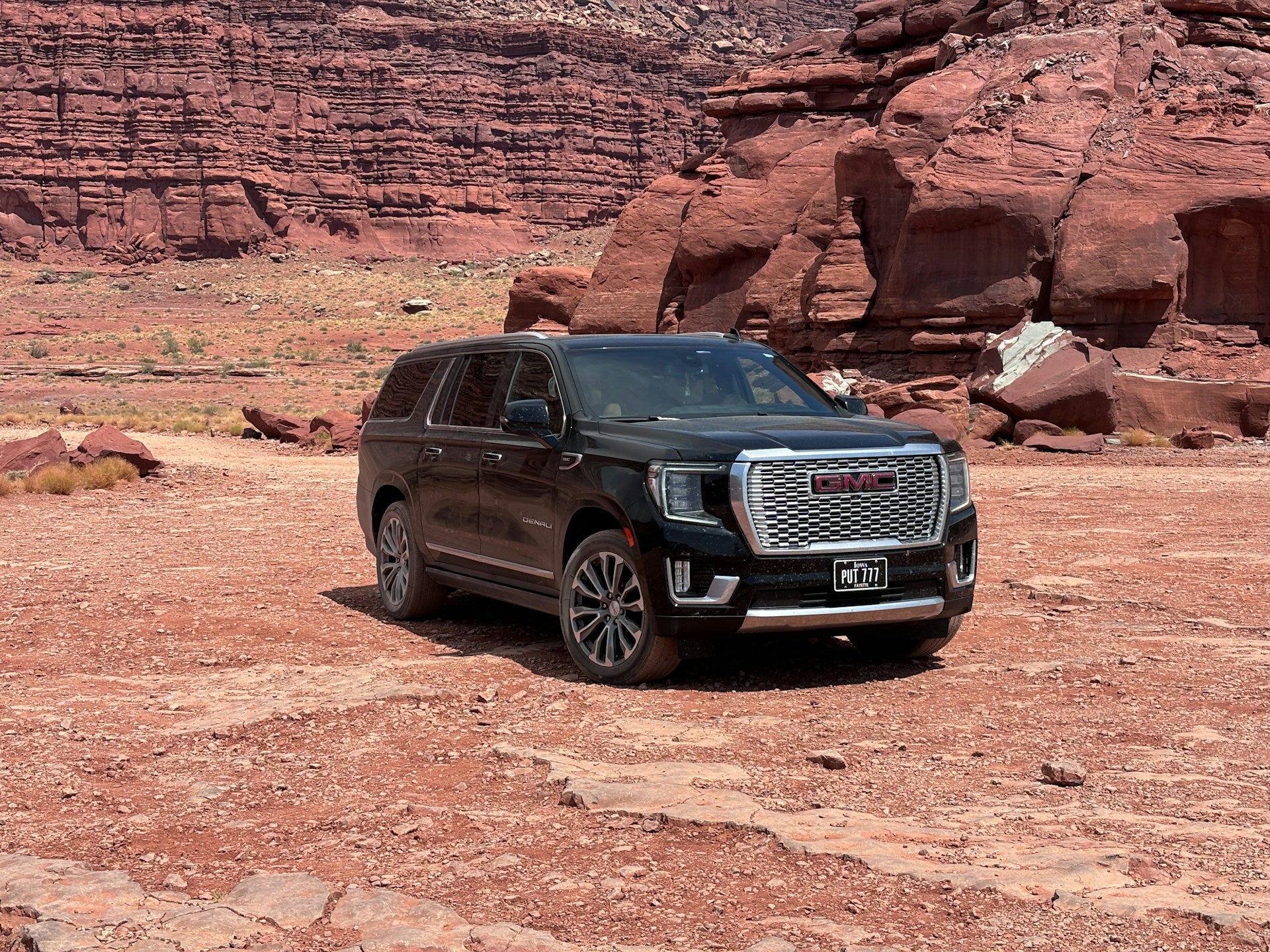
GMC Yukon

How to Tell if a GMC Yukon Is Right for Texas Roads

Across Texas, roads change quickly depending on the season and where you’re headed. In places like Rosenberg, you’ll find everything from wide highways to narrow backroads, along with shifting weather that can surprise you from one week to the next. That’s why a full-size SUV like the GMC Yukon gets attention from drivers looking for the kind of vehicle that can handle it all. more Anyone considering a GMC Yukon in Rosenberg, TX is probably weighing a few different needs, such as space, comfort, and reliability near the top of the list. Whether it’s a work commute, running errands, or packing up for weekend travel, the Yukon shows up in a lot of those conversations. But is it the right choice for your everyday life? That depends on a few key things. Room to Handle Everyday Texas Life We talk to a lot of people who need more than just seats and a steering wheel. With busy families, weekend hobbies, and daily checklists, space makes a difference. The GMC Yukon has third-row seating, which helps on school mornings, sports practice nights, or when the grandparents are along for dinner plans. Cargo space in the back gives room for groceries, folding chairs, coolers, and whatever else stacks up over the course of a regular week. The taller ride height improves visibility around town and out on the highway. Those wide windows help with lane checks and parking confidence. If you’re moving between soccer games, hardware store runs, and out-of-town visits, having room to work with eases the pressure. You can load once and keep going. Comfort for Long Drives and Daily Routines Texas driving often means time on the road doesn't pass quickly. Whether you're crossing counties or sitting in traffic on a stretch near Rosenberg, comfort makes all the difference. Quiet cabins help tone down road noise, especially on longer drives. That matters with kids in the back or meetings that stretch out your day. Seats with enough legroom and cushion help reduce stiffness after time behind the wheel. The Yukon’s design makes daily driving and longer trips feel less tiring. Tri-zone climate control can be a lifesaver with spring heat already rolling in. Whether it’s keeping the third row cool or managing different comfort levels, small things help. Infotainment systems come in handy for passengers. Built-in screens, phone syncing, and clear speakers keep things running smoother during carpool rides or longer visits out of town. The difference shows up when routines hit a snag. Commutes feel shorter, weekend drives more relaxed, and delays more bearable when everyone’s got what they need right there in the cabin. Capable Across Texas Weather and Roads Not every road in Texas is freshly paved or easy to read. Rain can roll through fast in early spring. Country highways can go uneven without warning. Depending on your route and habits, a little grip and durability go a long way. The Yukon’s higher ground clearance makes uneven terrain less of a concern. Hitting gravel or crossing into a field won’t feel like guesswork. Available all-wheel drive gives added control when pavement turns slick. It’s helpful during spring showers when stop signs and curves feel unpredictable. Park visits, fishing trips, or drives outside town are all more manageable with a vehicle that can take some bumps and keep steady. When we talk with people who spend time between town errands and rural backroads, having a vehicle that adjusts without worry becomes part of what they’re really shopping for. Tech and Safety That Fits Texas Living City driving looks easy from the outside until you factor in school zones, busy parking lots, and slow-moving traffic. That’s where safety features start pulling real weight. Backup cameras, alerts, and parking sensors are more than convenience. They help keep kids, pets, and bumpers safe during tight turns and tight spaces. Trailer assist tools make weekend trips with boats or trailers go faster and less frustrating. Lining up to a hitch or backing into a drive gets less tricky with help from onboard tools. Lane keeping and heads-up displays give a helpful assist during freeway driving, especially when you’re heading into or around Houston and roads get packed. Good equipment doesn’t replace a person paying attention, but it can absolutely make everyday driving feel more in control and less like an uphill battle. What to Know Before Choosing Yours Full-size doesn’t always fit every driveway or lifestyle. It makes sense to step back and think practically before making this size of choice. Parking space matters. If your home garage or regular destinations are a tight squeeze, size could become something you think about daily. Larger vehicles use more fuel, especially during town driving or when handling short trips often. Thinking about weekly routes can help estimate what makes sense. Each Yukon comes with different trim options. You can lean basic or add extras. Not everyone needs the towing package or the tech-heavy interior, and that’s okay. Ask yourself how often you’d actually use the highest features. If the trailer hook doesn’t get used and the luxury features aren’t your focus, a simpler version may work just as well. It’s about finding the right amount of vehicle for your every day. Bigger isn’t bad, but it should be comfortable to use, not feel like it controls your daily decisions. Ready for All Roads: Find Your Yukon in Rosenberg At Finnegan Chevrolet Buick GMC, you can compare Yukon trim levels and features right on our website, including SLE, SLT, and Denali options in Rosenberg, TX. Many Yukon models come equipped with advanced safety packages like lane departure warning, blind spot alerts, and front and rear parking sensors for added confidence on every drive. Select Yukons feature available power-folding third-row seating, hands-free liftgate, and built-in navigation to make long drives and everyday errands easier. Upgrading your space, comfort, and capability can make every drive on Texas roads more enjoyable, whether you're hauling gear, traveling with family, or planning weekend getaways. A roomy full-size SUV could be the perfect fit for your lifestyle. Take a closer look at our current selection of the GMC Yukon in Rosenberg, TX to find the right option for your daily needs. At Finnegan Chevrolet Buick GMC, we're ready to help you match your routine to the ideal vehicle, call or visit us to get started.
Chevrolet Dealer

When It Makes Sense to Visit a Chevrolet Dealer Near Rosenberg

There are times when looking at cars online just doesn’t cut it. Whether you're trying to see how a vehicle fits your life or figuring out what that odd dashboard light really means, there's value in stepping into a dealership. Some questions are quicker to answer face-to-face, and some vehicle issues are easier to spot with the right tools and trained eyes. more A visit to a Chevrolet dealer in Rosenberg, TX, can make real decisions feel easier. Whether it's spring maintenance or getting ready for a road trip, timing plays a big part. When you come in with a purpose, you leave with fewer questions and more direction. That’s why we believe in helping people figure out when stopping by really makes sense. When You’re Shopping for a New or Used Vehicle Looking at photos or reading specs online is a good starting point, but there's no substitute for seeing a car in person. What looks good on a website might feel too cramped, too tall, or just not quite right in real life. Test drives give you a much better feel for steering, comfort, and visibility. You get to sit inside and check features like seat height, legroom, and tech controls. You can compare trim levels side by side instead of guessing what each one means. When you're driving around Rosenberg, you’ll want something that handles well on both wide highways and tighter neighborhood streets. We know the local roads and traffic patterns, so we can point people toward vehicles that make sense for how and where they drive every day. With spring weather around the corner, it’s a good time to think about what kind of car you want before the busy travel season arrives. When It’s Time for Routine Service or a Dash Light Comes On It’s easy to put off simple services like oil changes or brake checks, especially when the weather's been cooler and you're not driving long distances. But as winter starts to shift into spring, it’s a good time to take care of upkeep before road conditions change. Dash lights aren’t something to ignore. Small warnings can turn into bigger repairs. Seasonal shifts can affect tire pressure, battery strength, and fluid levels. Routine care now helps avoid sudden problems during warmer months. When a light pops up or the car starts to feel off, it helps to bring it in sooner rather than later. We work on Chevrolet vehicles full time, so we’re familiar with the systems and how they behave when something’s wrong. That kind of familiarity means we’re quicker to find the real source of a problem, even when it's not obvious at first glance. Before Taking a Road Trip or Long Drive Whether you're planning a spring break trip or just want to take advantage of better weather, long drives come with more risk if your car isn’t ready. Most people don’t think about things like coolant levels or worn tires before hitting the highway, but a quick check can save a lot of stress. Spring is the perfect time to double-check tires, fluids, and air filters. Under-the-hood issues are easier to miss until you're stuck on the road. A pre-drive check at the dealership gives you peace of mind that gas station stops can’t offer. Driving around the Rosenberg area is one thing, but packing up and heading across the state is something else. If you’ve got a few hundred miles ahead of you, it’s worth taking time to see if anything needs attention. We’ve seen what spring travel can do to a car that hasn’t been looked over in a while, and it's not fun when trouble hits halfway through a trip. When You’re Thinking About Trading In Some drivers put off trading in their old car because they assume the offer won’t be high. But timing matters, and so does where and how you bring that vehicle in. A trade-in value isn’t just based on how old a car is or how many miles are on the dash. Clean, well-kept vehicles hold more value than you’d expect. Local dealers know what models drivers in the Rosenberg area are looking for. Seeing your vehicle in person helps us make a more direct offer compared to automated estimates. Bringing the car in lets us look at it up close and compare it to others already on the lot. Sometimes being able to point out differences between similar trade-ins makes a big impact. Plus, talking face-to-face lets you ask about what kind of vehicles people are moving into and how your current car compares. When You Just Need the Right Advice Not every dealership visit needs to involve big decisions. Sometimes people come in with questions and just want a straight answer, no guesswork, no upsell. Questions about warranties, safety features, or post-purchase service are easier to clear up in person. A short conversation can explain what a service plan really covers and what it doesn’t. Local staff often know about roadwork or weather issues that impact vehicle choices. If your car doesn’t feel quite right but there’s no warning light, or if you're just confused by all the options on your next vehicle, a quick stop makes a difference. We answer questions like these every day, and we know what matters most to drivers around here. Knowing When a Visit Can Save You Time and Trouble Scrolling through search results and watching videos can only get you so far. If you’re already wondering about something, it might be faster to walk in and ask someone who knows. Whether it's about buying, preparing for a long drive, or sorting out a repair, getting in-person answers clears up the guesswork. For people in Rosenberg, TX, spring is when things start to pick up again: travel plans, weather shifts, and updates to routines. That makes it a smart time to check in and make sure your vehicle is ready. A visit now could save time, money, and frustration later on. We’re always here to talk it through and help make your car feel a little more comfortable and a lot more ready. Thinking about trading in, servicing your vehicle, or exploring something new for the warmer months? We’re here to help make the process smooth and straightforward. When you visit us, you can ask questions, check out our selection in person, and make an informed decision with confidence. Start your search with a trusted Chevrolet dealer in Rosenberg, TX who truly understands local drivers and what you need for Texas roads. At Finnegan Chevrolet Buick GMC, our team will walk you through your options and help you find the right fit for your lifestyle. Contact us today to schedule a visit or get the answers you need.

GMC Truck

Guide to Comparing Truck Models in Rosenberg for Everyday Use

Picking a truck that fits your everyday life in Rosenberg is not always simple, but it should not feel overwhelming either. Whether you are hauling gear to the jobsite, grabbing groceries, or getting the kids to after-school activities, knowing what to look for can help. Different models are built for different routines, and a little planning goes a long way in making sure your daily driving feels easy, not frustrating. more New Chevy trucks in Rosenberg come with a variety of features, sizes, and setups. That means what works for one driver may not suit another at all. Figuring out what matches your daily needs makes it easier to compare and decide which models actually make sense for how you live and drive. Choosing the Right Size for Your Daily Needs Size plays a big role in how a truck feels on the road and in tight parking spots. The right choice depends on what you do every day and where you usually drive. Compact trucks make it easier to squeeze into parking spaces or tight drive-thrus. They work well for solo drivers or those with short commutes. Midsize trucks often strike a balance between cabin room and bed size. They are a good fit for drivers who haul gear occasionally but still want an easy daily drive. Full-size trucks handle bigger loads and longer trips better. If you tow, carry heavy tools, or drive on rougher country roads outside Rosenberg, these might be better. For anyone spending a lot of time downtown or around Rosenberg neighborhoods, turning radius and curbside space matter. Bigger trucks can feel bulky when lane spaces get tight. But if you are running back and forth to worksites with equipment, a smaller truck might not meet your needs. Interior Features That Make Daily Drives Easier Comfort is not a luxury when you are in your truck all day. Whether it is sitting in school pickup lines or cooling off in Texas heat, usable features inside the cab count. Bigger seating space and high-quality seats can make stop-and-go traffic less of a headache, especially for drivers who spend longer hours behind the wheel. Climate control is a big deal during Rosenberg springs and summers. Heat can build fast, so well-functioning AC matters more than it might in cooler states. Truck tech helps more than you might expect. Touchscreen displays, Android Auto or Apple CarPlay, and Bluetooth keep hands on the wheel while answering calls or using maps. Everyday storage is often overlooked until it is needed. Places to stash a backpack, tablet, or tools make a daily truck more useful without needing extra bins or boxes. If you are in your truck more than a couple hours a day, these features shape whether the drive feels relaxed or annoying. Long trips or traffic jams get a little easier when your ride works with you. Payload and Bed Setup that Fit Regular Use The truck bed is not just for show. Depending on what you do each week, it plays a big role in handling your tasks with less hassle. Some beds are short and shallow, which may be fine for town use or hauling bags of mulch, but less helpful when you have to transport tools or large furniture. Full-size models usually offer more load space and heavier payloads. That is helpful if you are regularly moving building supplies, ATV gear, or yard equipment. Tailgate style matters. Features like step-up access or multiposition panels can save your back when loading or unloading. The same goes for built-in lights if you are ever working at night. Add-ons like rail caps, spray-in liners, or cargo organizers keep the bed protected and help you stay organized. Think about what your weekends look like too. If you are doing house projects or helping friends move furniture, your truck's bed and payload features might be more important than you thought. Fuel Use and Driving Conditions Around Rosenberg Fuel use can sneak up on everyday drivers, especially if most of your time is spent behind stoplights or in morning traffic. Rosenberg drivers see a mix of wide highways and busy intersections, and both can affect what kind of truck makes sense. Open-road driving between Rosenberg and nearby towns may favor certain trucks with better highway fuel plans. Lighter trucks often do better in mileage if you are covering long distances. Stop-and-go driving around schools and shopping centers impacts heavier trucks more. City-friendly setups with start-stop features tend to be better during short trips. Texas heat and spring rains also affect what people look for. Cooling systems, sturdy tires, and backup cameras all help keep drives smoother during weather swings. Attention is paid to how these things impact daily use. Trucks that save a little fuel or handle tough road conditions more easily can help drivers stay on track without breaking the routine. How We Compare Models With Rosenberg Drivers in Mind When truck models are compared for everyday use, looks or engine power are not the only factors. The comparison is based on how they support real life around here. Trim levels give options like leather seats, trailer apps, or safety upgrades. Higher trims are not always worth it, depending on your needs, but it helps to stack them side by side. Local roads affect daily use. If a truck feels wide for passing on tight streets or awkward in parking, it might not be the right fit for daily errands. Towing needs come up often in Rosenberg. Whether someone is trailering equipment or pulling a boat on weekends, not every truck handles that equally. This is where new Chevy trucks in Rosenberg are truly tested. Looking at what drivers actually use day to day helps guide which models stand out. The focus is on the mix that fits the roads here best, not just power under the hood. Choosing a Truck That Works as Hard as You Do Trucks are not just about size or style. What makes the right choice is whether it fits how and where you drive. A model that handles a grocery run, stows your supplies, and does not feel like a burden is where the real value shows up. For drivers in Rosenberg, picking the right truck gets easier when you slow down and think about how it will serve you every single day. The best choice is not always the biggest or the newest. It is the one that checks the boxes that matter most to you. Everyday Solutions with a Local Team Looking for a truck that fits your everyday routine in Rosenberg? We offer a wide variety to suit your needs, from easy-to-park midsize models to full-size options ready for tough jobs. Our lineup of new Chevy trucks in Rosenberg is built for your schedule, space, and comfort. At Finnegan Chevrolet Buick GMC, our team will walk you through different trims, features, and setups so you find a truck that feels right from day one. Give us a call or stop by to take the next step, no hassle, just friendly help when you are ready.

Car Dealer

Why Some Used Cars in Rosenberg Get More Trade-In Offers

Not every used car holds the same trade-in value. That becomes clear fast when drivers in Rosenberg, TX try to trade in their vehicles. One owner may get multiple offers, while another might struggle to spark interest. The difference usually comes down to more than make and model. more We see it every day. Two vehicles of the same year and type can get trade-in offers that are worlds apart. What makes one stand out? In most cases, it’s a mix of condition, mileage, and fit for the area. Whether you're just starting to consider selling or you're planning ahead, knowing what gives Rosenberg, TX used cars more value at trade-in can help you walk into a dealership with more confidence. What Dealers Look For First When a used car rolls into the lot, there's a quick first impression that happens almost instantly. From the curb to the driver's seat, a number of details tell us a lot about value. External condition matters. Scratches, faded paint, dents, or damaged trim can drop a car’s perceived value quickly. Age is expected, but wear that looks like neglect raises red flags. Inside matters too. A clean, odor-free interior with no torn seats or damaged controls tends to stand out. It shows pride in ownership and signals the car has likely been taken care of. Service records carry real weight. Regular oil changes, inspections, and part replacements are signs the car hasn’t been left to slowly wear down. Ownership history matters. Vehicles with a single owner and no lien or salvage issues tend to do better. Too many previous owners or a branded title can cause hesitation, even if the car looks good. We try to get a full picture upfront, and that starts with how the vehicle has been treated over the years. A clean, well-kept car makes the trade-in conversation easier for everyone. Mileage and Use Matter More Than You Think Odometer readings do more than tell us how far a car has gone. They help us understand how long the car might hold up for its next driver. Age plays a part, but the miles and how they were logged matter just as much. High-mileage areas like those between Rosenberg and Houston add serious miles over time. A car used for long commutes can age faster, but that's not always bad if the engines were kept clean and the miles were mostly highway. Cars that are ten years old but only have 70,000 miles can feel like a better deal, especially when the mileage seems right for the age. Highway-driven cars often get more attention than those used for short, constant start-stop trips. Brake wear, tire condition, and internal engine strain can add up faster in city-driven vehicles. We look at how the mileage fits with the rest of the car's story. It helps us figure out whether the car’s got lots of life left or if it might be approaching its limits. Local Market Demand in Rosenberg We don’t just evaluate based on paperwork. Some of it comes down to what customers around Rosenberg want right now. And that changes based on time of year, job activity, family demand, and road conditions. Pickup trucks hold strong interest here. A clean truck with a towing package or off-road upgrades usually catches more eyes than a sedan in the same condition. SUVs with good gas mileage and up-to-date features tend to move fast. They check boxes for both comfort and practicality. Working AC, strong cooling systems, and towing setups can rank higher during end-of-winter trades as drivers gear up for spring family trips or hauling projects. We pay close attention to what buyers near us are asking about every week. Used cars that match popular needs locally tend to draw quicker and higher trade-in offers. When Timing Makes a Big Difference Believe it or not, calendar timing does play a role. The condition and mileage of your car are important, but when you choose to bring it in can tip the scale in your favor if conditions are right. As winter ends, buyers start looking for vehicles they can use for spring projects or travel. Trucks and newer SUVs often see more interest this time of year. Tax return season picks up around February and March. That puts more people in the market for affordable, reliable used cars, which increases demand and can raise trade-in values on certain models. We keep an eye on trends across Texas. If a specific vehicle starts moving faster than usual on our lot, we may be more willing to pay more for a similar trade-in that day. You can't control the whole market, but being aware of seasonal buyer movement might help you get better timing for your trade-in. Making the Most of Your Trade-In Value Used cars that tend to get better trade-in offers share a few things in common. They’re usually well-kept, have clean records, sit close to average mileage for their age, and match what local buyers want as the seasons shift. If you’re planning to trade your car in Rosenberg, a little preparation can go a long way. A quick clean inside and out, pulling together your service history, and thinking about timing can all add value. A car that’s clearly been cared for always sets a stronger tone when the appraisal starts. Not every car gets multiple offers, but the ones that do often reflect practical ownership. We see it every day, Rosenberg, TX used cars that check the right boxes tend to grab attention first when it’s time to trade. Trade-In Confidence With Certified Advantages Vehicles traded in at Finnegan Chevrolet Buick GMC can be eligible for our certified pre-owned inventory after passing a 172-point inspection and coming with a CARFAX Vehicle History Report. Our dealership is known for offering fair, transparent appraisals and providing on-the-spot offers, making the process straightforward for local drivers. Understanding where your vehicle fits among other Rosenberg, TX used cars can make your next move easier. At Finnegan Chevrolet Buick GMC, we pay close attention to what matters most during trade-ins and what local drivers are looking for. Clean history, regular maintenance, and the right timing help your vehicle stand out. Our team is ready to help you make a more informed trade or transition, reach out to get started today.

Chevy

Understanding the Pros and Cons of Vehicle Leasing for Chevys

Leasing can be a solid option for drivers who like flexibility and fresh features without the long haul of ownership. We meet a lot of people around Rosenberg, TX, who start thinking about leasing around the beginning of the year. That’s when new models start rolling in and the chevy best lease deals often pop up. more If you have ever walked into a dealership feeling unsure about what leasing really involves, you are not alone. It is easy to assume it works just like buying, but that is not quite the case. Knowing the ups and the tradeoffs can really save time and make discussions feel less confusing. Let’s look at why some drivers choose leasing and what is helpful to think about ahead of time. Why Some Drivers Prefer Leasing Over Buying Many drivers are drawn to leasing because of how it shapes monthly payments and gives you access to newer models more often. For people who do not plan to hang on to one vehicle for a decade or more, leasing can be a simpler way of keeping things fresh. Lease payments are usually lower than loan payments for the same vehicle, which can ease budget demands. Leasing gives you the chance to change vehicles every few years, depending on the lease term. Around the start of the year, some lease deals can make upgrading more reachable than financing a brand-new truck or SUV outright. If your goal is to enjoy newer technology or improved fuel efficiency without committing to the full price of a car, leasing might fit your plans better. Some drivers find that leasing brings peace of mind, especially if they are uncertain about what their long-term needs might be. Since lease periods are typically shorter than loan terms, you get the opportunity to review your situation regularly and see if your needs or preferences have changed. That kind of flexibility can be reassuring if you’re not ready for a long-term ownership commitment or simply want to keep up with the latest trends in automotive technology and design. What to Know About Lease Terms and Limits Before signing anything, it really helps to understand the fine print. Lease agreements are structured around specific terms, and stepping outside those can cost more than you expect. Most leases include a mileage cap, and going over it usually leads to penalties. If you do a lot of long-distance driving, this matters. You are expected to return the vehicle with only normal wear and tear. Anything beyond that could result in repair charges at the end. Lease lengths can range, but most are between two to four years. When the lease ends, you usually return the car or buy it. That exit path should match your long-term plans. Some people find these limits restrictive, but others appreciate the clarity. Knowing your usual driving routine can help guide your decision here. If you often find yourself driving much farther than the average person or taking frequent road trips, then a lease might not be the best fit unless you negotiate higher mileage or plan carefully to stay within those limits. If your driving habits are predictable and you have a set routine, having a clear structure to your car plan can allow you to relax and focus on enjoying your trips. Even beyond mileage, it is worth thinking about how you take care of your vehicles. Leases expect you to keep cars in good shape, and that expectation can encourage regular upkeep. For those who already keep their vehicles clean and well-maintained, lease-end charges are less likely to be an issue. The Long-Term Tradeoffs of Leasing Leasing has its perks, but it is not for everyone. One of the biggest differences between leasing and buying is ownership. With a lease, you are essentially borrowing the car for a set period. While that can be fine in the short term, it changes things over time. Lease payments do not build ownership or equity. Once the lease ends, the car is not yours. You will probably always have a monthly payment unless you decide to switch to buying later. Customizing your vehicle is not ideal when you are leasing. Most leases want the vehicle returned in close to factory condition. If you are someone who likes to drive the wheels off a car or keep it long past the last payment, leasing might feel limiting. How often you switch cars, how much you drive, and how you treat your vehicle all play into whether this setup works for you. Buying, in contrast, means you eventually pay off your vehicle and are free from monthly payments for a while. That sense of ownership is appealing to drivers who want to invest in their vehicles for the long haul, make custom adjustments, or keep them for many years. Some people value being able to make changes to their car as it ages or needs change, while lease agreements do not really allow for that level of flexibility. Another aspect worth considering is insurance. Leased vehicles may sometimes require higher insurance coverage than cars you own outright, which can affect your budget over the life of your lease contract. At the same time, since leased vehicles usually stay under warranty, maintenance costs for unexpected repairs are often less of a concern, which can be another advantage for those who prefer a little more predictability in their monthly spending. Finding the Right Fit: When Leasing Makes the Most Sense Leasing lines up best with certain lifestyles and needs. You do not have to guess whether it fits you. Just think about how you drive and what you value most in a vehicle. If your commute is short or you travel often for work by plane, mileage limits probably will not be a problem. Some drivers value newer safety features or the newest technology. Leasing keeps you closer to those upgrades without a full purchase each time. For people who like predictability, the chevy best lease deals often offer fixed terms with clear costs, making budgeting easier. If any of these points sound like your situation, leasing could give you more comfort than long-term ownership. Drivers who prefer a worry-free experience without worrying about resale have often found peace of mind in leasing. Lease agreements may also appeal to those who have outgrown the idea of fixing older vehicles and instead want a ride that is always modern, safe, and efficient. If you are not keen on haggling over value at trade-in time, leasing gives you an easier route: simply return the car and look at your next options. Some people steer toward leasing simply because life changes happen. Maybe your job is temporary or you expect your space needs to change soon, such as starting a family or moving to a different city. In those cases, locking yourself into a long financing contract may not be the best move, and leasing feels much more flexible and aligned with short-term plans. While leasing offers a more structured and predictable experience, it is still worth checking in regularly to see if your needs have changed over the years. It never hurts to revisit your vehicle situation as life shifts, and that is a big reason why many drivers find themselves drawn back to leasing again and again. Ready to explore your next vehicle lease? At Finnegan Chevrolet Buick GMC, we understand the value of a seamless process and want to help you find the best fit for your needs. Our inventory is always up to date, and the details behind the Chevy best lease deals are straightforward, so you can make confident decisions. Whether leasing is new for you or you have done it before, our team will guide you through every step. Visit us or give us a call to get started.

buick car

What to Ask Before Visiting a Buick Dealer in Rosenberg

Before you head out to visit a Buick dealer in Rosenberg, TX, it helps to know what you plan to ask. Showing up with a clear idea of your priorities makes the visit smoother and more focused, allowing you to get the most from your time at the dealership. It also helps ensure you concentrate on the parts of the car-buying process that matter most to you, so you are not distracted by features or offers that don’t fit your life. more Whether you are set to buy soon or just beginning to look around, a few well-timed questions can really shape your whole experience. You’ll leave feeling more at ease and confident, especially if you use your visit to compare more than one option. With a bit of planning, you can turn a normally busy day into a more relaxed and productive one. Below, we will share questions and points to consider so your test drive and time at the dealership feel less overwhelming and give you answers that matter. Know What You Want (and What You Don’t) Before pulling into the lot or walking through the showroom doors, spend some time thinking about what you really need and want from your next vehicle. You don’t have to know the exact model or color, but having an idea helps. Make a short list of must-have features for your next vehicle. Big items to think about include fuel type, size (compact, midsize, SUV), seating needs, and what you’re comfortable spending on monthly costs. Consider your regular weekly routines. School drop-offs, airport pickups, frequent road trips, and everyday commutes to Rosenberg or nearby cities can all help you decide on features and space. If you have a growing family, pets, or hobbies that require space, make note. Think back on things you’ve not liked in past vehicles. Maybe your last car was louder than you liked or had dashboard controls you barely used. Knowing your dislikes lets you avoid making the same mistakes and helps narrow your options. Keeping a handwritten list or notes on your phone for reference at the dealership will help you focus during your visit, making conversations with our sales team more direct and useful. Being prepared means you’ll waste less time and get better answers to your specific needs. Ask About Options That Fit Your Budget Finances are always an important topic when buying a car. Having a simple, honest conversation about budget up front can save both you and our sales staff a lot of time and help target your choices. Be open about the total amount you want to spend, whether you’re thinking about a cash purchase or monthly payments. This allows us to show you vehicles within your range instead of ones that might be a stretch. Ask about financing options right away. Understanding interest rates, payment periods, and what your monthly costs might look like helps keep surprises to a minimum. Also, find out if there are special offers for financing or what the process looks like for credit approval. Ask how the features in newer used models compare to brand-new ones. Sometimes, used or certified pre-owned Buicks come packed with more features than a new base model but cost less. This can be especially important if you want the most value for your money. Clarity around budget means you’ll be able to pay closer attention to details and concentrate on vehicles that really work for you, rather than waste time on options that aren’t possible. Don’t Skip Questions About Warranty and Maintenance Modern cars are complex, and maintenance can feel overwhelming, especially if you’re new to features like advanced safety or hybrid technology. Spending a few minutes talking about warranty and ongoing care can help avoid surprise headaches down the road. Ask what portions of the factory warranty remain on any vehicle you are interested in, whether new or used. For certified pre-owned vehicles, find out what bonus coverage applies, such as extra years of roadside help or repairs. Inquire about regular service access and schedules. Find out if we service your model and if maintenance can be done locally. Ask about the cost of routine checkups and how to schedule service when needed. Learn if there are any extra dealership perks for owners, such as discounted inspections, free oil changes for the first year, or loyalty programs for future visits. These small extras can make ownership easier and even save money over time. Understanding these basics up front means you’ll stress less about how to take care of your vehicle, and you’re less likely to run into problems after bringing it home. Consider the Timing and Current Needs The time of year you shop and your present needs play a big part in your buying experience. January in Texas isn’t severe like farther north, but cooler mornings may matter for your comfort and how you use certain features. Ask us if this is a good time to buy or whether waiting could bring more choices or better deals. Model availability changes frequently, and special programs may pop up month to month. If the color or model you want isn’t available on the lot right now, ask about realistic wait times for ordering or getting your preferred vehicle delivered. Keep your personal needs top of mind. Even though Texas winters are mild, early-year shopping means you may want features like heated seats, remote start, or dual climate control for cold mornings and late-night drives. Make sure you ask to try these comfort features during your test drive. Balancing seasonal factors and your daily needs ensures you end up with a car that feels right from day one. How to Make the Most of Your Visit When you finally arrive at the dealership, turn your focus to making the experience as relaxed and informative as you want it to be. This is your chance to see how everything feels and clear up any last doubts. Write out your main questions before you go, and don’t hesitate to ask anything that pops up while you’re here. Even small issues, like how easy it is to open the rear hatch or reach the cupholders, can shape your satisfaction over time. Take time to try out different trim levels or even other models, especially if you’re not sure which features matter most. Sometimes, sitting in the car or going for a short drive makes your preferences obvious. Don’t rush to make decisions. If you feel stuck or want to sleep on your choices, let us know. Ask for a summary of options or pricing you discussed so you can think things over at your own pace. Remember, your visit is for you to learn what you need, and you should leave with your own questions answered, not just the ones on a checklist. Leave with Confidence, Not Questions Walking in with your priorities set and a plan to ask questions means your Buick test drive will be more about learning how the car fits your life and less about confusing paperwork or quick choices. You can browse new Buick models and certified pre-owned cars that fit all kinds of drivers, including the comfort-focused Buick Encore, spacious Enclave, and flexible Envision. Every one provides advantages in features and technology, making it easier to match your main goals. Visiting a Buick dealer in Rosenberg, TX does not have to be intimidating or filled with guesswork. We are ready to walk through your options, answer every question, and offer a no-pressure test drive experience. When you take the time to get prepared, you’ll find the visit is much more relaxed and productive. Reach out to us whenever you are ready to start the conversation and move a little closer to finding the perfect vehicle for your needs.

Chevrolet Truck

How To Keep Your Truck Running Smoothly In Cold Weather

Cold weather has a way of sneaking up on trucks that aren't ready for it. If you’ve ever tried to start your truck on a chilly morning and heard nothing but a slow crank, you know just how frustrating winter can be. Low temperatures put more stress on components like the battery, fluids, and tires. That means a truck that runs fine in the fall can quickly run into trouble once the cold sets in. The good news is, with the right care, your truck can handle Texas winters just fine and keep doing what you need it to do every day. more In places like Rosenberg, temperatures can dip enough to impact performance even if you’re used to warmer weather most of the year. That’s exactly why Texas Best Trucks need some extra attention during winter. A bit of regular upkeep goes a long way toward preventing those roadside surprises and helping your truck maintain strong performance when the weather isn’t on your side. Understanding Cold Weather Challenges Cold weather can throw a few curveballs at any vehicle, especially trucks that may already carry heavier loads or tackle tougher jobs during the day. Some of the most common problems that show up when temperatures drop include: Sluggish battery performance or dead batteries Lower tire pressure, which can affect both handling and fuel efficiency Thickened fluids, making it harder on your engine and transmission Frozen or weakened wiper blades, making visibility an issue Condensation and moisture building up in fuel lines Rosenberg doesn’t see the deep freezes that northern states deal with, but that doesn’t mean your truck is off the hook. Temperatures can still fall low enough to trigger these issues, especially overnight. And when you throw in extra highway driving, hauling loads, or morning starts, those small issues can get bigger fast. For example, a driver may think their sluggish engine is just a fluke on a cold morning, but that delay could be the battery struggling to deliver enough power because of low voltage. Without checking the battery condition or cleaning the terminals, it could eventually leave you stranded. Things like this don’t usually fix themselves, and waiting it out isn’t a great strategy when you rely on your truck to stay on schedule. Cold weather can also make your tires act up. When the temperature drops, so does tire pressure. Even if you filled your tires a week ago, they could already be underinflated by the time the next cold front rolls through. That affects your traction, which is the last thing you want on a cold, wet day. Simple things like checking your tire pressure often during colder months can help you avoid problems before they start. Getting ahead of these weather-related issues means knowing what to look for and taking small steps to stay on top of them. That’s where cold weather maintenance really makes a difference. Cold Weather Maintenance Tips Once cold weather hits Rosenberg, simple maintenance routines become even more important. While fall might let you skate by with the occasional fluid check or quick wash, winter needs a more focused plan, especially for Texas Best Trucks that take on real work or daily commutes. Cold weather shortens the lifespan of some truck components and weakens others, so a little prevention can make a huge difference. Cold starts put more stress on the oil system, which is why fresh oil is key. Thicker oil in cold engines moves slower, and that can mean your motor has to work harder to stay running. Make sure you’re using the right oil grade for winter temperatures. Pair that with regular filter changes to help your engine keep its rhythm no matter how cold the mornings get. Batteries don’t enjoy the cold. They slow down and lose charge quicker when the temp drops. What helps is keeping the battery terminals clean and corrosion-free. Also, make sure the battery is holding its charge and delivering enough power for cold starts. Tires are your truck’s connection to the road. They lose pressure as it gets colder, affecting both your handling and fuel economy. It’s smart to check your pressure more often during the winter. At the same time, take a look at your tire tread. Worn-down tires are no match for cold rain or slick pavement. Make sure to also check the heater and defroster. You may not think about these systems until the windshield fogs over while you’re driving or the interior won't warm up. Both systems do more than keep you comfortable. If they’re not working, they mess with safety and visibility. Finally, double-check your coolant and antifreeze levels. These fluids make sure your engine doesn’t overheat or freeze up. Using the wrong mixture or ignoring low levels could mean expensive damage, especially during longer winter hauls. Preventative Measures That Go a Long Way Routine maintenance is a big part of winter prep, but a few smart backup plans can also keep things running smoothly when the weather throws a surprise your way. It’s all about being ready, whether you’re heading out for a drive or parking your truck in the cold for a few days. Here are a few helpful steps to take: Pack an emergency kit with winter gear like gloves, flashlight, jumper cables, and a snow scraper Never let your gas tank drop too low in cold weather, since that raises the chance of moisture build-up in fuel lines If you use your truck only now and then, consider how it’s being stored. Park it in a covered space if possible and start it occasionally to keep systems running In colder pockets of Texas or if temps dip overnight, an engine block heater can help ease morning starts and reduce strain on your battery and fluids These quick upgrades protect your truck from long-term wear and tear and can make a tough winter much easier to get through. Even simple habits, like brushing snow and ice off your lights and windows, help extend the life of your vehicle and keep it safe. Why Professional Help Matters Truck owners have different routines and driving conditions, but one thing stays the same. Getting your vehicle fully inspected by someone who works with these systems every day is a smart move. With cold weather creating pressure on so many parts at once, it’s easy to miss small signs before they turn into problems. A professional inspection covers the areas that often go unnoticed and helps prevent breakdowns during winter months. Getting a winter-specific service includes more than just topping off fluids. It allows a trained eye to look at your charging system, brake performance, tire condition, HVAC function, and more, based on how your Texas Best Truck is driven and used. Taking your truck in for a quick look before the weather changes gives you peace of mind, especially when you're relying on it for steady work, long drives, or early-morning commutes. It’s also worth noting that trucks handle winter a little differently from smaller cars. They carry more weight, sometimes haul trailers, and may have added wear from past usage. That’s why it’s helpful to have maintenance done by people who are used to working with pickup trucks in towns like Rosenberg. Identifying truck-specific concerns and giving them the right treatment keeps things going without interruption. Truck Winters Done Right Staying safe and running strong through colder months isn't about luck. It’s the result of small steps that protect your truck from harsh conditions. From warming up your engine to keeping your tires working right, the effort you put in now saves stress and money later. Cold weather hits different when you’re prepared, especially when your truck stays ready to roll every time you turn the key. Texas Best Trucks deserve to run like clockwork, no matter what the thermometer says. With the right care and a little seasonal attention, yours can stay strong all winter long through the streets of Rosenberg and beyond. Don't wait for cold weather to force your hand. Being ready today means fewer issues down the road. To keep your truck running strong through every cold morning, explore options built for durability and performance. You can find a solid lineup of Texas Best Trucks at Finnegan Chevrolet Buick GMC, where our team is ready to help you choose the right vehicle and keep it prepared for whatever winter brings your way.

Chevrolet

Ways To Maintain Your Pre-Owned Vehicle's Value Over Time

Buying a pre-owned vehicle is a smart move for many drivers. You get the benefit of a car or truck that has already taken the hit on depreciation, and with the right care, you can keep its value steady for years. The trick lies in how well you maintain it. A little upkeep here and there can make a big difference when it’s time to trade it in or sell it later on. more Whether you’re planning to keep your pre-owned vehicle for a long time or thinking ahead to your next upgrade, staying on top of maintenance helps protect your investment. It’s not about spending a fortune but about being proactive with the basics. With the right approach, keeping your car in good shape becomes second nature. Let’s go over some simple moves that help maintain its value year after year. Regular Maintenance Checks Routine maintenance may not sound exciting, but it’s one of the easiest ways to protect your vehicle’s value. When the internal parts are in good shape, your engine runs smoother, your drive feels better, and fewer issues pop up over time. Here’s where to focus: Get oil changes done on time to keep the engine clean and running cool Rotate your tires regularly to balance wear and prevent alignment issues Check the brakes and brake fluid to avoid more serious repairs down the line These small actions can give your car a longer life. Skipping just one of these services for too long could result in larger, more expensive problems. For example, driving for months on overdue oil can damage your engine, leading to repairs that cost far more than regular service. In Rosenberg, Texas, where driving often involves longer daily distances, staying ahead of wear and tear can make a real difference. The local heat and humidity can wear down components faster than you expect. Partnering with a trusted service center like Finnegan Chevrolet Buick GMC, right here in Rosenberg, TX, helps you stay on top of your maintenance and keep your Texas Best Pre-Owned vehicle running strong. Keep Your Vehicle Clean Keeping your car clean does more than make it shine—it plays a role in keeping its resale value higher. Regular cleaning protects the exterior from buildup like bird droppings, tree sap, and road grime that can eat away at the paint. If the outside looks worn, it may send the wrong signal to potential buyers—even if the car runs perfectly. Here’s how to maintain a clean look and feel: Wash and wax regularly to help block grime and UV exposure Vacuum and wipe down the interior to prevent cracking and stains Keep an eye out for signs of water leakage during rainy weather Use UV protectors on the dash and seats to guard against heat damage A full professional detailing every so often can go a long way. Those services get under the seats, deep-clean fabrics, and polish every surface. That kind of care can bring back that like-new feel. Around Rosenberg, driving in heat, dust, or rain means your vehicle picks up a lot from the road. Regular care builds up over time and helps you keep that car looking fresh even after years of use. Address Minor Repairs Promptly It’s easy to let little problems slide, especially when they don’t affect how the vehicle drives. But fixing those little things quickly can prevent bigger repair bills and help your car look its best. A pre-owned vehicle that looks cared for creates a better first impression and signals long-term attention. These are common small issues to stay ahead of: Fix windshield chips or cracks before they spread across the glass Buff out scratches and dents to prevent rust or corrosion Replace broken light covers or faded headlights for better visibility Reattach loose trim or handles before they come apart completely A small chip might seem harmless today, but a few weeks later, it can mean a full windshield replacement. Scratches that go to the metal expose the body to rust. Simple cosmetic fixes keep your Texas Best Pre-Owned car from looking older than it is. In a city like Rosenberg, with sudden weather changes and strong sun exposure, these small fixes can go a long way. At Finnegan Chevrolet Buick GMC, we see how small repairs make a difference every day. They help keep a vehicle looking worth buying. Addressing them right away lets you stay in control, and people tend to feel more confident buying a car that looks well maintained both inside and out. Protect Against Seasonal Challenges Living in Rosenberg, TX means dealing with everything from summer humidity to winter cold snaps. Your vehicle needs different care depending on the season, and planning ahead keeps it running smoothly through each change. Publishing this article in December means now is a smart time to get ready for those cooler days. Even though winter is usually mild, a sudden cold night can still bring trouble. Batteries tend to struggle more as temperatures dip, and tire pressure drops as the air gets colder. You can prep ahead by checking: Battery strength and replace it if it’s showing signs of wear Antifreeze and coolant levels to make sure the engine stays at safe temps Tire pressure and tread since cold weather affects grip and handling Windshield washer fluid to be sure it's the freeze-resistant blend Once spring rolls into summer, things shift again. You’ll need to be ready for high heat and longer drives. That means checking belts, cooling systems, and tires again, especially as the pavement gets hotter. Make sure your AC is blowing cold and nothing’s leaking around the hoses or compressor. Summers get rough if your cooling system can’t keep up. Prepping your vehicle seasonally means fewer surprises down the road. Instead of waiting for trouble, a quick seasonal check can keep everything running like it should. At Finnegan Chevrolet Buick GMC, our service team in Rosenberg is always ready to help you keep your Texas Best Pre-Owned vehicle safe and smooth through every season. How Good Habits Help Keep Value High Keeping your vehicle's value doesn’t have to take a ton of work or money. It’s about forming small habits that stick. Stay on schedule for oil changes, give the car a rinse now and then, handle problems when they pop up, and don’t wait for the seasons to create damage. Buyers can tell when a car’s been cared for. They see it in the fresh paint, smooth ride, clear headlights, and clean interior. A car shows its story, and the way it looks, drives, and sounds paints a picture of how it’s been treated. At Finnegan Chevrolet Buick GMC, we know how important it is for our customers across Rosenberg to feel proud of their Texas Best Pre-Owned vehicles. That pride often starts with the small things. Simple maintenance choices now can mean a smoother drive, lower costs later, and a better price if you ever decide to sell. Your pre-owned vehicle holds its value with the help of your good habits. When you look after your ride, it looks after you on the road. Keeping it clean, serviced, and protected all year is the key to getting the most out of every mile. Taking care of your pre-owned vehicle doesn't have to be a huge challenge. By being proactive with regular maintenance, keeping it clean, fixing minor issues quickly, and adjusting to seasonal changes, you can maintain both its appearance and performance for years to come. To explore more about Texas Best Pre-Owned options and see how Finnegan Chevrolet Buick GMC can help you make the most of your investment, we’re here with trusted guidance and a range of reliable vehicles worth considering.

Electric Vehicle

How Weather Changes Affect Your Electric Vehicle's Performance

Electric vehicles are gaining traction across Texas thanks to their quiet performance, low daily driving costs, and cleaner operation. But while EVs are great options for many drivers, their performance can change depending on the weather, especially here in Rosenberg where summer heat, heavy storms, and occasional cold snaps can each bring unique challenges. Understanding how these conditions affect your EV can help you stay prepared and confident year-round. more Whether you're commuting to work or heading out on a weekend trip, knowing how weather affects your EV is a smart way to stay ready. As local EV ownership grows, it’s more important than ever to understand how rising temperatures and sudden weather shifts around Texas can impact things like battery health, charging time, and how your EV responds on the road. Here's what to expect and how to manage it. Weather Effects On Battery Performance Your EV’s battery reacts to temperature changes much like your cell phone. In Rosenberg, summer heat can come fast and strong. When things heat up, your battery may work harder than usual, causing it to lose range more quickly. That means shorter distances between charges and more frequent stops, which can be frustrating during a packed day. Texas winters may not be severe, but colder mornings still affect battery output. The battery fluids tighten up in the cold, which can cause delays in warm-up time and reduce your overall range. Constant exposure to extreme highs and lows can eventually wear on battery life if it's not handled with care. Protecting your battery is simple when you adopt the right habits: Park in shaded areas or garages on hot days Use the climate control app to pre-cool the cabin before entering Avoid full 100% charges unless you're taking a long trip Let the battery cool off before plugging in after a hot drive Run pre-conditioning mode in winter mornings to balance temperature Many newer EVs come with thermal management systems to help with this, but your habits make a big difference too. With the right steps, your battery can handle Texas heat and cold without a hitch. Charging Challenges In Different Weather Conditions Weather can change how your EV charges, and knowing the differences helps avoid delay. In warm weather, charging usually speeds up. But on extremely hot days, your EV might slow the process down to protect its battery, especially when using a fast charger. Sometimes that means the charger will reduce power until the battery cools off. In cold weather, things shift again. The car might not accept a fast charge right away because the system needs to warm up first. This delay means a quick charging stop could turn into a longer wait if the battery isn’t ready. Having a strong home charging setup helps avoid frustration: Use a Level 2 charger at home to recharge overnight at lower temperatures Charge during cooler parts of the day to ease battery stress Park in a shaded or covered area while the vehicle is charging Keep your EV’s software updated—fixes are often released for better temperature handling Texas drivers can stay on track by planning around the weather and building charging habits that reduce surprises. Seasonal Maintenance Tips For EV Owners Electric vehicles may have fewer moving parts than gas-powered ones, but they still benefit from regular maintenance, especially in changing seasons. In Rosenberg, you’re dealing with intense summer heat and cooler shifts during early winter. Tires are a great place to start. Hot pavement increases pressure inside your tires, while colder weather deflates them. That back-and-forth can lead to uneven wear if you’re not watching it. Check your pressure every few weeks as seasons change. Keep an eye on your fluids. EVs still rely on coolant, brake fluids, and windshield wiper fluid. Rainstorms can come out of nowhere here, making clear visibility a sudden priority. Having everything topped off makes sure your vehicle runs safely and smoothly. Here are some timely tips for seasonal tuning: Adjust tire pressure as temperatures swing to avoid flat spots Get your HVAC and battery cooling systems inspected twice a year Replace wiper blades before the heart of storm season arrives Check your brakes, even with regenerative braking systems in place Book a checkup if your charging becomes slow or less efficient It’s smart to replace your cabin air filter regularly too, especially if you drive through dusty areas or cedar-heavy seasons. Clean air keeps your AC running better and cuts down on cabin discomfort during a hot afternoon. How Texas Roads And Weather Impact EV Driving Experience Driving in Texas is never boring, and the state’s unpredictable weather makes every trip different. Hot days, thunderstorms, or surprise cold fronts can change how your EV behaves, from traction to general handling. On dry summer days, your tires grip more but the AC pulls extra power from the battery. High power use drains your charge faster, reducing how far you can go on a full battery. During thunderstorms, road traction drops and visibility worsens. Combine that with strong winds, and even a short drive can feel harder to manage. In heavy rain, standing water can catch you off guard. Quick acceleration feels fun in an EV, but it's better to ease into turns or stop gradually when it’s slick. Water doesn’t hurt the motor directly, but hydroplaning is always a risk. Tires with low tread make things worse and should be replaced before the stormy season hits hard. To stay safer and drive better in Texas: Use eco-driving mode to save range on super-hot days Take it slow in the rain to avoid accidents Steer clear of deep water and potholes to protect wheels and suspension Reroute when storms hit to avoid flooded areas Let the cabin pre-cool while the car is plugged in to save battery A local story we hear often at Finnegan Chevrolet Buick GMC is how quick range can drop when an EV is left running at a job site with the AC on high just to stay cool at lunch. Keeping the car powered while idle burns more charge than many realize, especially when it’s parked in the sun. Awareness like that helps everyone get more out of their EVs. The small habits add up. Keeping Your EV Ready for Every Season Understanding how your EV reacts to Texas weather can make every mile smoother. Whether you're focused on better charging results in the heat or working on improving cold weather range, responding to seasonal shifts helps you protect your EV’s performance over time. From dry stretches to downpours and cold snaps, Texas roads don't always play fair. But when you stay focused on regular service, smart driving choices, and weather-specific adjustments, your ride stays strong all year long. Working with Finnegan Chevrolet Buick GMC makes that even easier. We’re here in Rosenberg and understand what your EV faces because we see it too. Whether you’re headed on a road trip or just running daily errands, planning around the elements helps your vehicle stay dependable month after month. Electric vehicles offer a clean and efficient way to travel across Texas. Keeping them in top shape throughout the year takes the right kind of preparation. Experience the benefits firsthand by getting your hands on one of our new vehicles. Explore Texas best deal autos at Finnegan Chevrolet Buick GMC today to discover a lineup that matches both your needs and the distinctive Texas weather. Whether you're in Rosenberg or just passing through, our selection and services are tailored just for you.

Buick

Understanding Your Buick's Warning Indicators And Symbols

When you're driving your Buick around Rosenberg, you expect a smooth ride, not a dashboard lighting up with symbols you don’t recognize. But all of those little icons appearing in your gauge cluster are trying to tell you something. Understanding what those warning indicators and symbols mean isn't just helpful, it’s one of the easiest ways to avoid major problems before they spiral into expensive repairs. more The new Buick Enclave comes loaded with tech, convenience, and comfort, and along with that comes a set of warning lights designed to keep you informed. Knowing how to read those signals is a key part of owning one. Whether it’s a simple reminder for routine maintenance or a bigger issue that needs immediate attention, learning to recognize what your Enclave is telling you can make a big difference in your overall experience behind the wheel. Common Warning Indicators And Symbols There’s a difference between a light that says you need gas soon and one that’s telling you not to drive another mile. Some symbols are pretty straightforward, like the seatbelt warning or gas level indicator, while others aren’t as obvious. Here are some of the most common alerts drivers run into and what they usually mean: Check Engine Light: This can signal anything from a loose gas cap to engine trouble. If it flashes, that usually means the problem is urgent and should be looked at right away. Battery Warning: Indicates a potential issue with the charging system. This could involve your alternator, battery, or another connected part. Oil Pressure Warning: Usually shaped like an old-style oil can, this means your engine might not be getting the lubrication it needs. Driving with this on can lead to serious damage. Tire Pressure Monitoring System (TPMS): This light comes on when a tire is under-inflated. Cold weather in Rosenberg during December can lower tire pressure, making it important to regularly check this light. Brake System Warning: This could be because your parking brake is engaged, but it might also point to something bigger like low brake fluid or worn pads. When these lights come on, don’t ignore them. Even if your car still feels okay, a small issue can turn into something major if not taken care of quickly. Restart the vehicle and check if the light stays on. If it does, it's a good idea to talk to someone who knows what to look for. Stay ahead of the problem before it grows. Specific Symbols For The Buick Enclave Every vehicle has some unique warning lights, and the new Buick Enclave is no exception. While some symbols are standard across many models, others are designed specifically to work with the Enclave’s systems and features. Recognizing these can help you catch something early, helping you out over many miles of driving in and around Rosenberg. Here are a few Enclave-specific alerts to know about: AWD System Warning: If your Enclave has All-Wheel Drive, this symbol pops up when there’s a problem in that system. If the light doesn’t go off after startup, it’s time to get it checked. Adaptive Cruise Control Alert: This warning shows up if the adaptive cruise system isn't working right or needs calibration. The icon looks a lot like a speedometer with a car in front of it. Lane Keep Assist or Lane Departure Warning: These lights may appear if the system loses track of road markings or the view from the camera gets blocked. It’s more common in foggy or rainy weather. Traction Control Off Indicator: If this lights up without you turning the system off, it could mean there’s a fault in the system that needs attention. The good news is your Buick Enclave's driver info center often adds a quick message that pairs with the alert symbol. Still, if a new or odd light comes on and you're not sure what it means, it’s safer to ask instead of taking a chance. Keeping Your Buick Enclave In Top Shape Staying ahead of warning lights starts with basic upkeep. Almost all warning lights connect to parts of your Buick that need care from time to time. Prevention really is the best way to avoid bigger problems later on. With cooler months rolling into Rosenberg, it’s smart to take a little time now and make sure everything is in working order. Here are a few ways to keep your Enclave ready for every drive: Top off key fluids like oil, brake fluid, washer fluid, and coolant Monitor tire pressure regularly and watch tread levels Check your windshield wipers and replace if needed Have your battery tested, especially before road trips Stick to Buick’s scheduled service intervals Spending a few minutes looking over these things can help you avoid warning indicators or sudden repairs. It’s a lot easier to keep something running well than to fix something that breaks. Getting quick, expert help at Finnegan Chevrolet Buick GMC in Rosenberg makes all the difference when something small starts to go wrong. Steps To Take When A Warning Light Pops Up A dashboard light turning on might catch you off guard, but don’t panic. A calm, careful response helps you figure out what’s going on and what you should do next. Whether it’s a simple fix or something more serious, acting quickly gives you the best outcome. Here’s a safe way to handle it: If a light starts flashing while driving, safely pull over and turn the car off Restart the vehicle and see if the light appears again Check the gauges and listen for strange noises For tire alerts, inspect the tires or stop at a nearby air pump Never assume it will go away on its own. Waiting could make things worse Responding fast is the best way to protect your Enclave. If you’re ever unsure what a symbol means or how urgent the problem might be, reach out to Finnegan Chevrolet Buick GMC. Our service team in Rosenberg is ready to take a closer look and keep your Buick running just the way it should. Drive Smart and Stay Confident Behind the Wheel You don’t have to be an expert to understand what your Buick is trying to tell you. Taking a little time to learn the meaning behind each warning light can help you feel more in control. Whether you’re driving across Rosenberg or heading out of town, knowing what’s going on under the hood gives you peace of mind you can count on. The Enclave is a reliable vehicle made with driver-friendly safety features, but even the best car needs attention now and then. Being alert to your dashboard symbols means fewer surprises and smoother driving. Keep up with regular maintenance, watch for small changes, and don't wait if something feels off. Your Buick’s alerts are there to help you — and we’re here to help you understand them. Finnegan Chevrolet Buick GMC is proud to support drivers in Rosenberg with professional service, expert advice, and vehicles built for comfort and confidence. Ensure your next drive is as smooth as you expect by staying informed about your vehicle's warning indicators. If you're looking for a vehicle that offers advanced safety systems and modern technology, take a closer look at the new Buick Enclave in Rosenberg. Stop by Finnegan Chevrolet Buick GMC to learn more about how we can support you with expert service and dependable vehicles.

Electric Vehicle

Ways To Protect Your Electric Vehicle's Battery In Winter

When temperatures drop in Rosenberg, TX, electric vehicle owners start noticing changes in how their cars perform. One of the biggest concerns during winter is battery efficiency. Cold weather can lower battery output and affect driving range, making it important to pay attention to how your car is operating. If you've recently switched to an EV or you're dealing with colder months for the first time, it helps to know how seasonal shifts impact your vehicle. more Driving an electric car during winter isn’t impossible, but it does call for added attention. Understanding how cold affects EV batteries can help you avoid disruptions, delays, or costly repairs. There are several habits and maintenance steps that can really help extend battery life and minimize setbacks. We'll lay out practical things you can do to keep your EV performing smoothly throughout the cooler season and help make your winter drives less stressful. Understanding How Cold Weather Affects EV Batteries Electric vehicle batteries respond differently to winter than gasoline-powered systems. Lithium-ion batteries, which power most EVs, slow down in low temperatures. That means your vehicle works harder and takes longer to do things it normally handles with ease. You might have noticed your car starts a little slower or takes longer to charge at home. That's not your imagination — it's just how the chemistry of the battery works in colder air. When the battery gets cold, the fluid inside it gets thicker, slowing down the energy transfer. This can lead to issues like reduced driving range and slow charging speeds. You may notice yourself stopping to recharge earlier than usual or planning routes more carefully. The colder it is, the more energy your car uses because it's also working to warm up the battery and cabin, especially if you hop in and crank the heater right away. Here’s what might happen to your EV battery performance during the winter months: Reduced overall range, meaning fewer miles per charge Slower home and public charging times Delayed battery response, especially when starting the vehicle More energy needed for heating the cabin and warming the battery These effects are common and shouldn’t make you question your car’s abilities. But if ignored over time, they can cause extra wear on the battery. Getting ahead of this with smart steps can protect your system and give you a better experience behind the wheel. Pre-Winter Battery Maintenance Tips Don’t wait for freezing nights before checking your EV’s readiness for winter. A little preventive care can go a long way. While Rosenberg winters aren’t typically brutal, it only takes a few frosty mornings to impact your battery health. Scheduling routine maintenance before cold weather hits can keep minor issues from turning into major headaches. Start with checking your coolant levels. Just like traditional vehicles, EVs rely on proper thermal management to function well. Low or old coolant can interfere with the battery’s ability to regulate temperature. Next, inspect the battery terminals for dirt or corrosion. Clean, tight connections keep power moving efficiently and cut down on unnecessary strain. Here are a few more steps to take before cooler weather sets in: Replace old coolant if it hasn’t been checked in a while Clean battery terminals and check for corrosion Make sure all cables and connections are secure Ask your technician to inspect the battery’s general condition and performance Review any vehicle alerts or system messages related to battery health Taking care of these small tasks early helps avoid winter surprises. It also gives you peace of mind knowing your EV is ready to handle the season ahead. Partnering with trusted professionals makes it easier to catch any hidden issues before they turn into bigger problems. Daily Habits To Protect Your EV Battery In Winter Once winter sets in, it’s smart to build a few new habits into your daily driving routine. These small changes don’t take much effort but can have a big impact on how your EV battery handles the cold. One of the easiest things to do is park your EV in a garage or carport whenever possible. Parking indoors helps keep the battery from getting too cold overnight. On especially chilly mornings, your EV won’t have to work as hard to get warmed up. If indoor parking isn't an option, try to at least shield it from wind and frost by parking near a building or using a car cover made for winter weather. Another helpful tip is to keep your car plugged in when you're not using it. This allows the battery management system to maintain a stable temperature and stay slightly warm, which is better for performance and charging. Most EVs will manage their own temperature when connected to a charger, which uses less battery than warming itself up after being unplugged all night. You should also take advantage of your vehicle’s preconditioning feature. This warms the battery and the cabin before you leave, using energy directly from the charger if plugged in. That way, you aren’t draining the battery just to get a warm seat and some heat blowing from the vents. Here are a few more habits to get into: Set climate control timers to warm the car before your morning drive Keep the charge level between 20% and 80% to reduce battery stress Avoid running the heater non-stop while driving, use seat warmers when possible Don’t let your car sit unused for long periods in extreme cold The more consistent you are with these habits, the more you'll notice stable performance day after day. This kind of routine care can prevent smaller problems from turning into bigger ones during the season. Optimizing Your EV's Range During Cold Weather Cold air can cut into how far your EV travels on a full charge, so it’s helpful to plan your drives a little differently. With each freezing morning, your battery has to work extra hard to power the cabin heater and warm the battery itself, which ends up reducing what’s left for actual driving. You can help your EV use its power more efficiently by combining trips. Instead of making multiple short drives throughout the day, group your errands together into one outing. Once the cabin and battery are warmed up, keeping them that way takes less energy than warming them up again later. Driving techniques matter too. Aggressive acceleration puts a heavier load on the battery, and unnecessary braking wastes momentum. Smooth, steady driving helps preserve energy and also makes for a more comfortable ride. Use eco-mode settings if your EV has them. These settings automatically adjust throttle response, HVAC performance, and power output to help extend range in colder temperatures. You might notice the car feels a bit slower to respond, but that’s just part of the tradeoff for squeezing out extra miles. One simple example is if your regular drive to work feels like it drains the battery quicker in winter, just switching to eco-mode, reducing your speed slightly, and not blasting the heat can make a noticeable difference. It’s a matter of getting used to different controls that favor efficiency. Here’s what you can do to preserve range: Take fewer but longer trips instead of several short ones Use seat and steering wheel heaters instead of cabin heat Keep tires properly inflated for optimal traction and battery use Shift to lower power-driving modes when conditions allow By adjusting your usual routine just a little, you’ll notice less stress on your battery and more consistency in your drive time. Ensuring Long-Term Battery Health Thinking beyond the current season is smart when you're dealing with an EV. While daily use plays a role, your charging habits and tech updates also shape how well your battery performs over time. In cold weather, these things matter even more. Try to avoid using fast chargers too often. While they’re great in a pinch, the high energy levels can add up and wear down your battery quicker if used too frequently, especially during winter months when the system is already under stress. Make use of software updates from your carmaker. These updates can improve battery management systems, fix bugs, and help your vehicle respond more effectively to temperature changes. Some EVs do this automatically, but it’s worth checking that updates are installed on time. For those living in areas with extra cold weather for long stretches, a battery warmer might be worth looking into. These are usually built-in features or accessories that keep your battery from reaching freezing temps. In Texas, extreme cold isn’t constant, but colder-than-usual years do happen, so having a plan can help. Keep these tips in mind for long-term performance: Stick with Level 1 or Level 2 chargers for regular charging whenever possible Schedule routine service appointments to monitor battery condition Enable auto-updates for your EV’s software Ask about battery heating systems or accessories if you’re concerned about deep freezes Treating your battery carefully year-round builds a strong base for better winter operation. It’s all about balance and staying ahead of what your EV needs before issues show up. Keep Your EV Battery Winter-Ready with Finnegan Chevrolet Buick GMC Getting your EV through the winter in Rosenberg doesn’t have to be stressful. When you learn how cold weather affects your battery, then take action with smart maintenance and driving habits, it becomes less of a headache and more of a routine. Every little change, from where you park to how you charge, helps your vehicle handle cold snaps better. Building in these habits takes a little time at first but rewards you with stronger battery life and smoother performance. Whether it's your first EV winter or your fifth, sticking to the basics can save you trouble later. Look at it like caring for any long-term investment — a little work now sets you up for fewer problems down the road. For those ready to explore the best used EV cars and ensure your vehicle is prepared for all seasons, Finnegan Chevrolet Buick GMC is here to help. Whether you're focused on winter readiness or seeking a reliable EV that complements your lifestyle, explore our diverse inventory and discover how we can support your journey toward efficient and worry-free driving.

GMC Sierra

Ways To Extend The Life Of Your GMC Sierra

The GMC Sierra is built tough. It's made to handle long drives, heavy work, and everything Texas roads throw at it. Whether you're cruising through Rosenberg or hauling gear across the state, drivers count on their Sierra to deliver strength and dependability. But even the strongest pickup needs regular care to keep it running smooth for years to come. more Taking care of your Sierra goes beyond just changing the oil. How you drive it, where you store it, and whether you stick to routine maintenance can all affect how long it stays in top shape. If you’re checking out a new GMC Sierra in Rosenberg or already own one, there are some simple ways to keep it performing like new long after the odometer keeps ticking up. Regular Maintenance Checks Regular maintenance is key to keeping your Sierra on the road. It’s tempting to let months go by without checking under the hood, especially when everything seems fine. But skipping the basics can lead to bigger problems later. Here are a few things you should stay on top of: Oil changes: Every engine needs fresh oil to stay healthy. Old oil breaks down and can cause damage over time. Stick to the recommended oil change interval in your owner’s manual. Tire pressure: Driving with underinflated or overinflated tires affects gas mileage and wear. Check tire pressure monthly and before long drives. Brake inspections: Listen for squeaks or grinding noises. If you're having to press harder than usual on the pedal, it's time to get them checked. Air filters: A clean filter helps your engine breathe better and use fuel more efficiently. Dirty filters make it work harder and affect performance. Getting the basics checked and serviced by GMC-certified professionals benefits your truck long term. They’re trained to catch things early and use parts that are made to fit your Sierra perfectly. If you’re in Rosenberg, that kind of service is easy to find and should be part of your regular routine. Protect the Exterior and Interior It’s easy to forget about looks when you’re focused on performance, but paint chips and worn interiors add up over time. Whether you're driving through rainy weather or dealing with heat in Texas, protecting your GMC Sierra from the elements can make a big difference in how it holds up five or ten years down the line. Here are a few simple ways to shield your truck: Wash it regularly to remove dirt, salt, or pollen that can eat away at paint and cause rust. Apply a coat of wax every few months to protect the paint from sun and road grime. Use seat covers, sunshades, and floor mats to keep the inside clean and cool, especially in warmer months. Park in shaded or covered areas when you can. In a place like Rosenberg, where summers can be hot and winters mild, keeping both the exterior and interior of your truck in good condition is about making smart everyday choices. A little effort now can prevent wear that often leads to more expensive repairs or faster depreciation. One driver kept their Sierra looking newer longer just by sticking to monthly washes and keeping the seats covered when parked in the sun. It sounds simple, but it paid off. Driving Habits That Keep Your Sierra Running Strong How you drive every day has a big influence on how long your GMC Sierra lasts. Even simple choices like how fast you accelerate or how hard you brake can slowly wear things down if they become regular habits. The good news is, with just a few mindful changes, your truck can stay stronger for longer. Smooth, steady driving is key. Harsh stops and quick takeoffs might feel good once in a while, but they place extra strain on your brakes, tires, and engine. Keep speeds consistent when possible, and give yourself space in traffic so you don't have to slam on the brakes suddenly. This gradually reduces wear and helps the truck’s systems stay balanced. Sticking to paved roads or maintained trails when possible can also extend the life of your suspension and underbody. While the Sierra handles terrain well, repeated rough use without cleanups in between will lead to quicker breakdowns over time. And when it comes to climbing steep areas or hauling something heavy, make sure to avoid pushing your engine too hard. Fuel choice makes a difference too. Always use the type of gas listed in your owner’s manual. Some lower-grade fuels can leave behind build-up, which affects engine performance over time. If you regularly drive with a full load, letting your truck idle too long afterward can also raise engine temps more than needed. Cut the engine if you’re waiting. In short, treat your truck how you'd want to be treated if you were pulling its weight every day. A little kindness on the road can lead to thousands more miles down the line. When to Replace and Upgrade Parts One of the best things you can do to extend your Sierra's lifespan is to replace worn out parts before they cause bigger damage. Some parts fade out quietly, so it’s good to keep track of time and mileage, not just wait for something to fail. Here are a few components to stay ahead of: Batteries: These usually show signs like slow starts or dim lights. Cold mornings in Rosenberg can stress older batteries fast, especially heading into Texas winter. Tires: Keep an eye on tread depth, uneven wear, and cuts in the sidewalls. Checking alignment when rotating tires helps them last longer. Filters: Oil and air filters get clogged over time. Replacing them regularly protects the engine and improves fuel use. Belts and hoses: These can dry out or crack without warning. Replacing them before they split open avoids more expensive repairs on the road. Wiper blades and lights: These may seem minor, but visibility matters. Swap them out when they streak or dim. Always go with parts made to fit your GMC Sierra. Generic parts sometimes wear out faster or don’t match the performance the truck’s designed for. That can lead to more issues, even if they fit at first. Staying ahead of repairs keeps your truck safe and avoids getting sidelined in the middle of your plans. We once had a customer whose Sierra ran great for nearly a decade just by sticking to his replacement schedule and checking his battery every fall. Even little reminders like that can help avoid the stress of surprise repairs later. Keep Your GMC Sierra in Top Shape with Us Putting care into your Sierra pays off in more ways than just mechanical life. The truck handles better, drives quieter, and holds its value longer when you're regular about upkeep. Whether it's planning a long trip or just hopping around Rosenberg for errands, you're less likely to run into unexpected issues when you keep up with maintenance and treat your truck with care. Your driving habits, the quality of parts you use, and how you handle repairs can all work together to keep your truck reliable for the long haul. When you treat every oil change, tire check, and brake inspection as part of a steady plan, your Sierra becomes more than just a truck. It becomes a dependable part of your everyday life. Every hour you put into protecting your GMC Sierra adds miles to the road ahead. Keeping it in top shape reduces stress, boosts performance, and makes every drive feel smoother. Whether you're behind the wheel of a brand-new Sierra or looking to keep an older one going strong, good habits go a long way. If you're focused on getting the most life and performance out of your truck, a new GMC Sierra in Rosenberg from Finnegan Chevrolet Buick GMC is a smart start. Pair smart maintenance with high-quality parts, and your Sierra will be ready for whatever the road throws your way.

Contact Us

Fill out this form below and we'll contact you shortly
*Required Fields